Client Logo

Our Solutions

Concrete Polishing

Concrete Floor Repair

Odus Flooring

Epoxy Flooring

Epoxy Repair

Terrazo Flooring

Mosaic Flooring

Use Cases

Concrete Floor Repairing

Warehouse Flooring

Plant Flooring

Hyperstore Flooring

Case Studies

Procter & Gamble

Reliance Industries

Hershey’s India

LG

L&T Constructions

Careers

Internships

Jobs

Resources

Blogs

Team Diaries

Purpose and Passion

Our Story

The Drafting Table

Products

Alkali Resistant Flooring

Odus Dust Block

Terrazzo Flooring

Concrete Polishing Chemicals

Colored Concrete

Fast Curing Additives

Our Solutions
Concrete Polishing

Concrete Floor Repair

Odus Flooring

Epoxy Flooring

Epoxy Repair

Terrazo Flooring

Mosaic Flooring

Use Cases
Concrete Floor Repairing

Warehouse Flooring

Plant Flooring

Hyperstore Flooring

Case Studies
Procter & Gamble

Reliance Industries

Hershey’s India

LG

L&T Constructions

Careers
Internships

Jobs

Resources
Blogs

Team Diaries

Purpose and Passion

Our Story

The Drafting Table

Products
Alkali Resistant Flooring

Odus Dust Block

Terrazzo Flooring

Concrete Polishing Chemicals

Colored Concrete

Fast Curing Additives

What is REACH Compliance? EU Regulation, SVHCs, and Steps

Apr 23 • 4 min read

blog_cover

REACH (Registration, Evaluation, Authorisation, and Restriction of Chemicals) is a European Union regulation that ensures the safe use of chemicals to protect human health and the environment. This guide explains REACH, its importance, Substances of Very High Concern (SVHCs), and the steps to achieve compliance.

What is REACH?

Definition and Purpose

REACH, established under Regulation (EC) No 1907/2006, is an EU framework for managing chemical substances in products. It requires companies to assess and control risks from chemicals, promoting safer alternatives and sustainability.

Key Objectives

  • Protect Health and Environment: Minimize risks from hazardous chemicals.

  • Ensure Safe Use: Require companies to demonstrate chemical safety.

  • Promote Innovation: Encourage development of safer chemical alternatives.

  • Restrict Harmful Substances: Ban or limit substances posing unacceptable risks.

Why is REACH Important?

REACH shifts the burden of proof to companies to ensure chemical safety, reducing environmental and health risks. It:

  • Enhances product safety for consumers and workers.

  • Drives innovation in eco-friendly materials.

  • Facilitates global trade by aligning with international standards.

  • Inspires similar regulations worldwide (e.g., UK REACH, China REACH).

Scope of REACH

REACH applies to chemical substances in:

  • Industrial Materials: Paints, solvents, construction materials.

  • Consumer Goods: Textiles, electronics, toys, furniture.

  • Mixtures and Articles: Products containing chemicals (e.g., plastic additives).

Regulatory Thresholds: Compliance is required for substances manufactured or imported in quantities of 1 tonne or more per year per company.

Key Elements of REACH Compliance

REACH compliance involves:

  1. Registration: Submit substance data to the European Chemicals Agency (ECHA) for quantities ≥1 tonne/year.

  2. Evaluation: ECHA assesses dossiers for compliance and risk.

  3. Authorization: Obtain approval for using Substances of Very High Concern (SVHCs).

  4. Restriction: Comply with bans or limits on certain substances.

  5. Documentation: Maintain Safety Data Sheets (SDS) and supply chain communication.

  6. Reporting: Notify ECHA of SVHCs in articles (>0.1% w/w).

Global Variations of REACH

While REACH is EU-specific, other regions have adopted similar frameworks:

  • EU REACH: Managed by ECHA, requires registration for substances ≥1 tonne/year.

  • UK REACH: Post-Brexit, administered by the Health and Safety Executive (HSE), with separate registration requirements.

  • China REACH: Overseen by the Ministry of Ecology and Environment, focuses on new chemical substances and labeling.

  • Other Regions: Countries like South Korea (K-REACH) and Turkey (KKDIK) have REACH-like regulations.

Note: Each framework has unique requirements, so businesses must research local rules.

Steps to Achieve REACH Compliance

Step 1: Collect and Analyze Product Information

  • Gather data on substance properties, uses, and supply chain (e.g., via Safety Data Sheets, supplier declarations).

  • Assess hazards and risks of substances.

  • Identify substances requiring registration (≥1 tonne/year).

Step 2: Register Substances

  • Prepare a registration dossier with substance data, risk assessments, and safety measures.

  • Submit to ECHA via REACH-IT portal for substances, mixtures, or articles.

  • Pay registration fees based on company size and substance volume.

Step 3: ECHA Evaluation

  • ECHA reviews dossiers for completeness and compliance.

  • Evaluates testing proposals and substance risks.

  • May request additional data if needed.

Step 4: Manage SVHCs and Restrictions

  • Identify if substances are on the SVHC Candidate List or subject to restrictions.

  • Report SVHCs in articles (>0.1% w/w) to ECHA via SCIP database.

  • Apply for authorisation to use SVHCs, if necessary.

Step 5: Maintain Compliance

  • Receive a registration number upon successful submission (not a certificate).

  • Update dossiers for changes (e.g., new uses, increased volumes).

  • Maintain records for at least 10 years and ensure supply chain communication.

Note: REACH does not issue certificates; compliance is proven through registration numbers and documentation.

Substances of Very High Concern (SVHCs) in EU REACH

What Are SVHCs?

SVHCs are substances with severe health or environmental risks, such as:

  • Carcinogenic, mutagenic, or toxic to reproduction (CMR).

  • Persistent, bioaccumulative, and toxic (PBT).

  • Very persistent and very bioaccumulative (vPvB).

  • Other substances of equivalent concern (e.g., endocrine disruptors).

SVHC Candidate List

The SVHC Candidate List, managed by ECHA, identifies substances requiring reporting or authorisation. As of January 2025, it contains 240 entries, covering over 300 individual substances (some entries are groups).

Reporting Requirements

Under Article 33, companies must:

  • Declare SVHCs in articles (>0.1% w/w) to customers and ECHA (via SCIP database).

  • Provide safe-use information within 45 days of a request.

SVHC List Updates

  • Frequency: Updated twice yearly (typically June and December/January).

  • Recent Additions (January 2025): Two substances added, including Diphenyl (2,4,6-trimethylbenzoyl) phosphine oxide (reprotoxic) and Bis(4-chlorophenyl) sulphone (persistent, bioaccumulative).

How Are Substances Added to the SVHC List?

  1. Proposal Submission: ECHA, EU member states, or national authorities submit an Annex XV dossier proposing a substance.

  2. Public Consultation: ECHA publishes the proposal for a 45-day comment period.

  3. Decision-Making: If unchallenged, the substance is added to the Candidate List. Challenges extend the review.

  4. Authorisation List: SVHCs may be recommended for the Authorisation List, requiring companies to seek approval for continued use.

Consequences of Non-Compliance

Non-compliance with REACH can lead to:

  • Fines and Penalties: Vary by EU member state, potentially in thousands of euros.

  • Market Restrictions: Bans on selling non-compliant products.

  • Product Recalls: Mandatory withdrawal of non-compliant goods.

  • Reputation Damage: Loss of consumer and partner trust.

  • Legal Action: Lawsuits from authorities or affected parties.

Conclusion

REACH (Regulation (EC) No 1907/2006) is a cornerstone of chemical safety in the EU, ensuring substances are safe for humans and the environment. By following its registration, evaluation, authorisation, and restriction processes, companies can achieve compliance, avoid penalties, and promote sustainability. Stay informed about SVHC updates and global variations to navigate REACH effectively.

Our Clients

Hershey's
L&T Construction
LG
P&G
Yanjan
Eicher
Reliance
Icon

India's Best Industrial and Commercial Flooring Solution Provider

Trusted by 200+ clients. We provide flooring services and supply products for all sorts of Industrial flooring. Call us at +917869964996 or share contact details by filling the form below:

Related Blogs

Elements of Construction: Terrazzo

Elements of Construction: Terrazzo

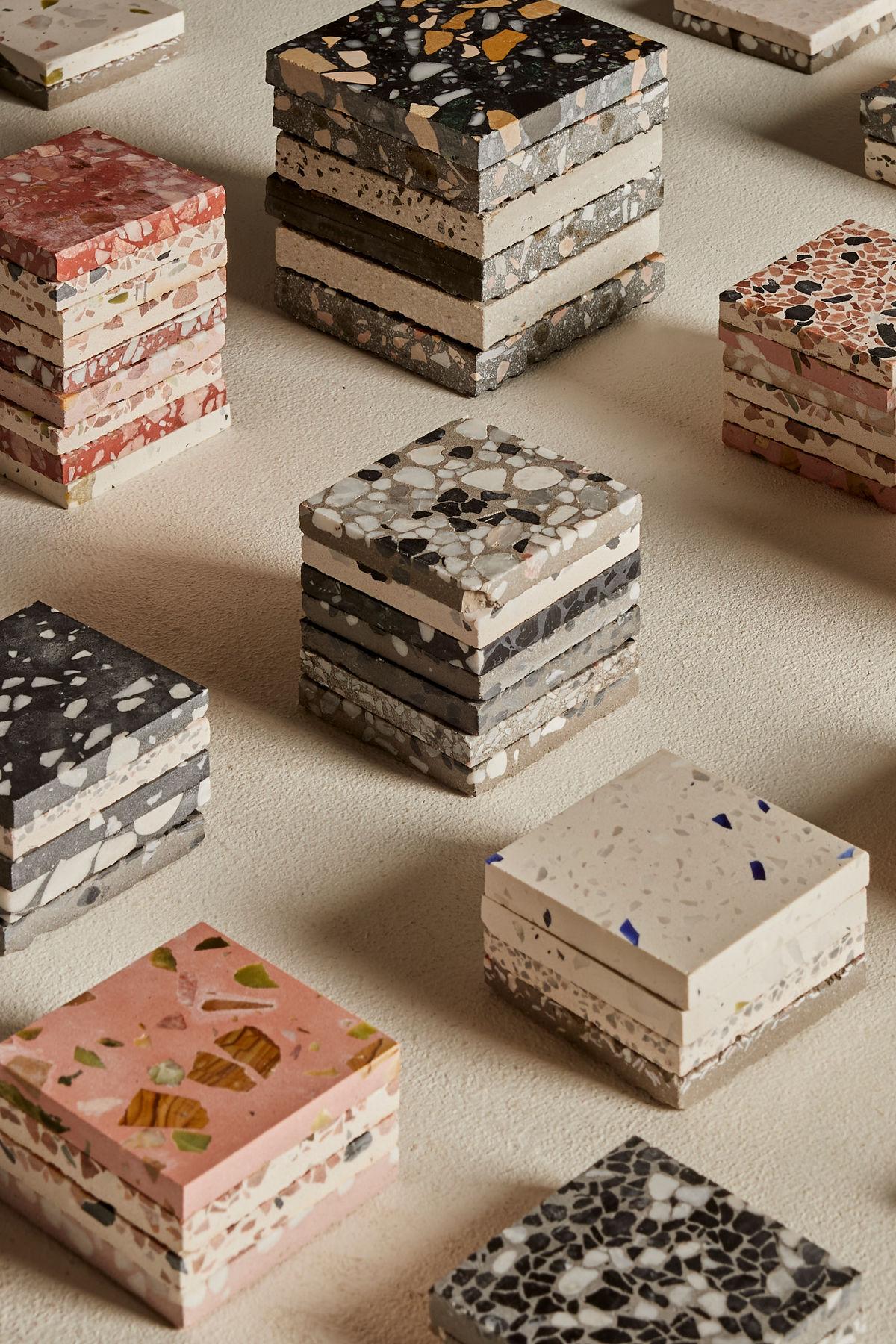
Terrazzo began as a practical solution—an inventive way to reuse stone fragments—and evolved into one of architecture’s most enduring finishes. From ancient pavements to Venetian craftsmanship and modern public landmarks, terrazzo’s story is one of sustainability, durability, and timeless design.

Dec 16,2025

2 min

Elements of Construction: Duct Tape

Elements of Construction: Duct Tape

Duct tape wasn’t meant to be iconic. It was meant to solve a problem. Born out of necessity during wartime, it quietly went on to become one of the most relied-upon materials on construction sites everywhere, proof that the simplest ideas often leave the biggest impact.

Dec 16,2025

2 min

Elements of Construction: Teflon

Elements of Construction: Teflon

Teflon was never meant for buildings. Discovered by accident while searching for a safer refrigerant gas, its refusal to react with almost anything turned it into one of construction’s underrated materials—protecting structures from corrosion, heat and damage.

Jan 21,2026

2 min

Why is India a Hotspot for Global Investors?

Why is India a Hotspot for Global Investors?

India ranks 5th globally, with 6.8% GDP growth, vast market, young population, UPI leadership, reforms, and 100% FDI in most sectors—making it a prime investment hotspot.

Feb 25,2026

8 min

Elements of Construction: Paints

Elements of Construction: Paints

Historically, wall colors from natural pigments like ultramarine (from lapis lazuli), lead white, mercury vermilion, and arsenic green were luxurious but highly toxic, involving dangerous mining, trade, and application that poisoned artisans. Paint was a labor-intensive process driven by experience, not safety. The Industrial Revolution brought synthetic pigments, making paint safe, scalable, and functional—protecting buildings from corrosion, fire, and weathering. Modern architecture benefits from engineered coatings, but today's safe colors echo a violent past of risk and human sacrifice.

Jan 06,2026

2 min

Elements of Construction: Plywood

Elements of Construction: Plywood

Plywood may seem like a modern construction staple, but its origins stretch back thousands of years. What began as an ancient technique of layering veneers for stability evolved through industrial innovation into a lightweight, high-strength material. Its true breakthrough came during World War I, where its speed, durability, and strength-to-weight ratio made it indispensable for aircraft and rapid construction—cementing plywood’s place as a foundational material of modern building.

Dec 16,2025

2 min

Elements of Construction: Terrazzo

Elements of Construction: Terrazzo

Terrazzo began as a practical solution—an inventive way to reuse stone fragments—and evolved into one of architecture’s most enduring finishes. From ancient pavements to Venetian craftsmanship and modern public landmarks, terrazzo’s story is one of sustainability, durability, and timeless design.

Dec 16,2025

2 min

Elements of Construction: Duct Tape

Elements of Construction: Duct Tape

Duct tape wasn’t meant to be iconic. It was meant to solve a problem. Born out of necessity during wartime, it quietly went on to become one of the most relied-upon materials on construction sites everywhere, proof that the simplest ideas often leave the biggest impact.

Dec 16,2025

2 min

Elements of Construction: Teflon

Elements of Construction: Teflon

Teflon was never meant for buildings. Discovered by accident while searching for a safer refrigerant gas, its refusal to react with almost anything turned it into one of construction’s underrated materials—protecting structures from corrosion, heat and damage.

Jan 21,2026

2 min

Why is India a Hotspot for Global Investors?

Why is India a Hotspot for Global Investors?

India ranks 5th globally, with 6.8% GDP growth, vast market, young population, UPI leadership, reforms, and 100% FDI in most sectors—making it a prime investment hotspot.

Feb 25,2026

8 min

Elements of Construction: Paints

Elements of Construction: Paints

Historically, wall colors from natural pigments like ultramarine (from lapis lazuli), lead white, mercury vermilion, and arsenic green were luxurious but highly toxic, involving dangerous mining, trade, and application that poisoned artisans. Paint was a labor-intensive process driven by experience, not safety. The Industrial Revolution brought synthetic pigments, making paint safe, scalable, and functional—protecting buildings from corrosion, fire, and weathering. Modern architecture benefits from engineered coatings, but today's safe colors echo a violent past of risk and human sacrifice.

Jan 06,2026

2 min

Elements of Construction: Plywood

Elements of Construction: Plywood

Plywood may seem like a modern construction staple, but its origins stretch back thousands of years. What began as an ancient technique of layering veneers for stability evolved through industrial innovation into a lightweight, high-strength material. Its true breakthrough came during World War I, where its speed, durability, and strength-to-weight ratio made it indispensable for aircraft and rapid construction—cementing plywood’s place as a foundational material of modern building.

Dec 16,2025

2 min

Elements of Construction: Terrazzo

Elements of Construction: Terrazzo

Terrazzo began as a practical solution—an inventive way to reuse stone fragments—and evolved into one of architecture’s most enduring finishes. From ancient pavements to Venetian craftsmanship and modern public landmarks, terrazzo’s story is one of sustainability, durability, and timeless design.

Dec 16,2025

2 min

Elements of Construction: Duct Tape

Elements of Construction: Duct Tape

Duct tape wasn’t meant to be iconic. It was meant to solve a problem. Born out of necessity during wartime, it quietly went on to become one of the most relied-upon materials on construction sites everywhere, proof that the simplest ideas often leave the biggest impact.

Dec 16,2025

2 min

Elements of Construction: Teflon

Elements of Construction: Teflon

Teflon was never meant for buildings. Discovered by accident while searching for a safer refrigerant gas, its refusal to react with almost anything turned it into one of construction’s underrated materials—protecting structures from corrosion, heat and damage.

Jan 21,2026

2 min