Dec 16 • 2 min read
Some inventions begin with a lab accident.
Others begin with a tired chemist.
But the story of duct tape, one of the most versatile repair materials in construction begins with…
a mother from Illinois.
In 1943, Vesta Stoudt, a factory worker and mother of two sons serving in World War II, was helping pack ammunition boxes. These boxes were sealed with paper tape and then covered in wax to waterproof them.
It looked safe. But there was a serious problem.
Soldiers struggled to open the boxes quickly during combat.
They had to cut through the wax-coated paper, wasting precious seconds.
Stoudt thought: “Why don’t we seal them with a strong, waterproof tape that can be ripped open by hand?
She shared the idea with her supervisors.
They brushed her off.
But she didn’t stop.
She explained the problem and her simple solution.
Roosevelt read the letter and agreed.
He passed it to the War Production Board, which forwarded it to the Johnson & Johnson company.
Their subsidiary, Permacel, known for adhesive bandages got to work.
Within weeks, they developed a strong, waterproof tape made from:
a fabric mesh (for strength)
a rubber-based adhesive (for stickiness)
a polyethylene coating (for waterproofing)
Soldiers could rip it by hand.
It held ammo boxes shut.
It peeled off in seconds.
They called it “duck tape” because it repelled water like a duck’s feathers.
After the war, builders, contractors, and engineers discovered something amazing:
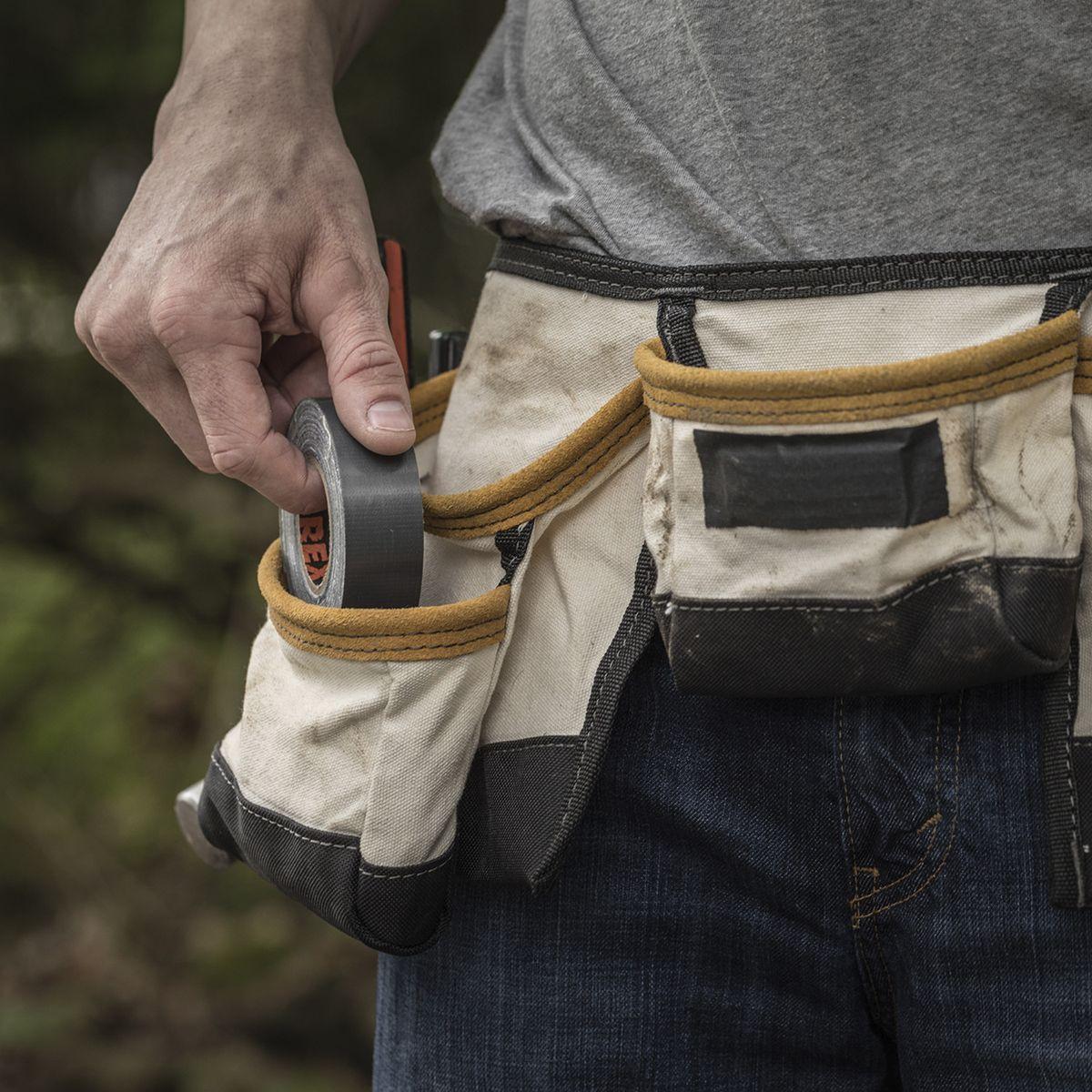
This tape stuck to wood, metal, concrete, insulation, pipes, cables, and nearly everything in a construction site.
It wasn’t just for sealing ammo boxes anymore.
It found new roles in carpentry, HVAC, flooring, roofing, scaffolding, and general repairs. As it became more popular in construction, the silver version—made to match ductwork—became known as duct tape.
Ironically…
Duct tape is great for everything except actual air ducts.
(Heat breaks down the adhesive, so professionals use special foil tapes instead.)
Still, its reputation for solving problems quickly made it a legend on job sites.
Duct tape earned its place in modern building for three simple reasons:
1. Strength
The fabric mesh gives it high tensile strength—great for bundling, patching, and securing materials.
2. Waterproofing
The polyethylene coating blocks moisture, making it useful in temporary fixes or emergency sealing.
3. Extreme Versatility
It sticks to rough, dirty, uneven surfaces where other tapes fail.
On construction sites, you’ll find duct tape used for:
holding insulation in place
labeling and bundling wires
taping vapor barriers
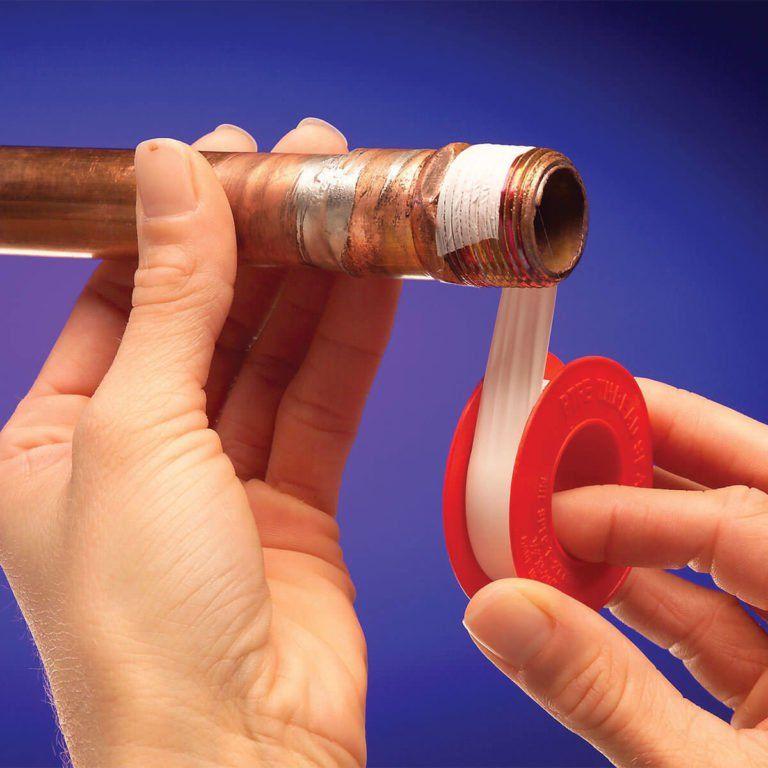
patching pipes temporarily
protecting surfaces
fixing tool handles
marking alignment lines
emergency repairs
and about a thousand things engineers never intended
What began as a simple idea from a factory worker became one of the most universal tools in construction and engineering.
It saved soldiers’ time in the battlefield.
It became a builder’s best friend.
It inspired the phrase:
“If it moves and it shouldn’t—duct tape.
If it doesn’t move and it should—WD-40.”
And today, duct tape remains a symbol of human creativity:
a reminder that sometimes, the materials that shape our world come not from labs or corporations, but from the practical brilliance of everyday people.


Related Blogs