Dec 16 • 2 min read
Terrazzo is not just a decorative floor. It is the result of a very old, very human habit—finding value in what is left behind and turning it into something useful and beautiful.
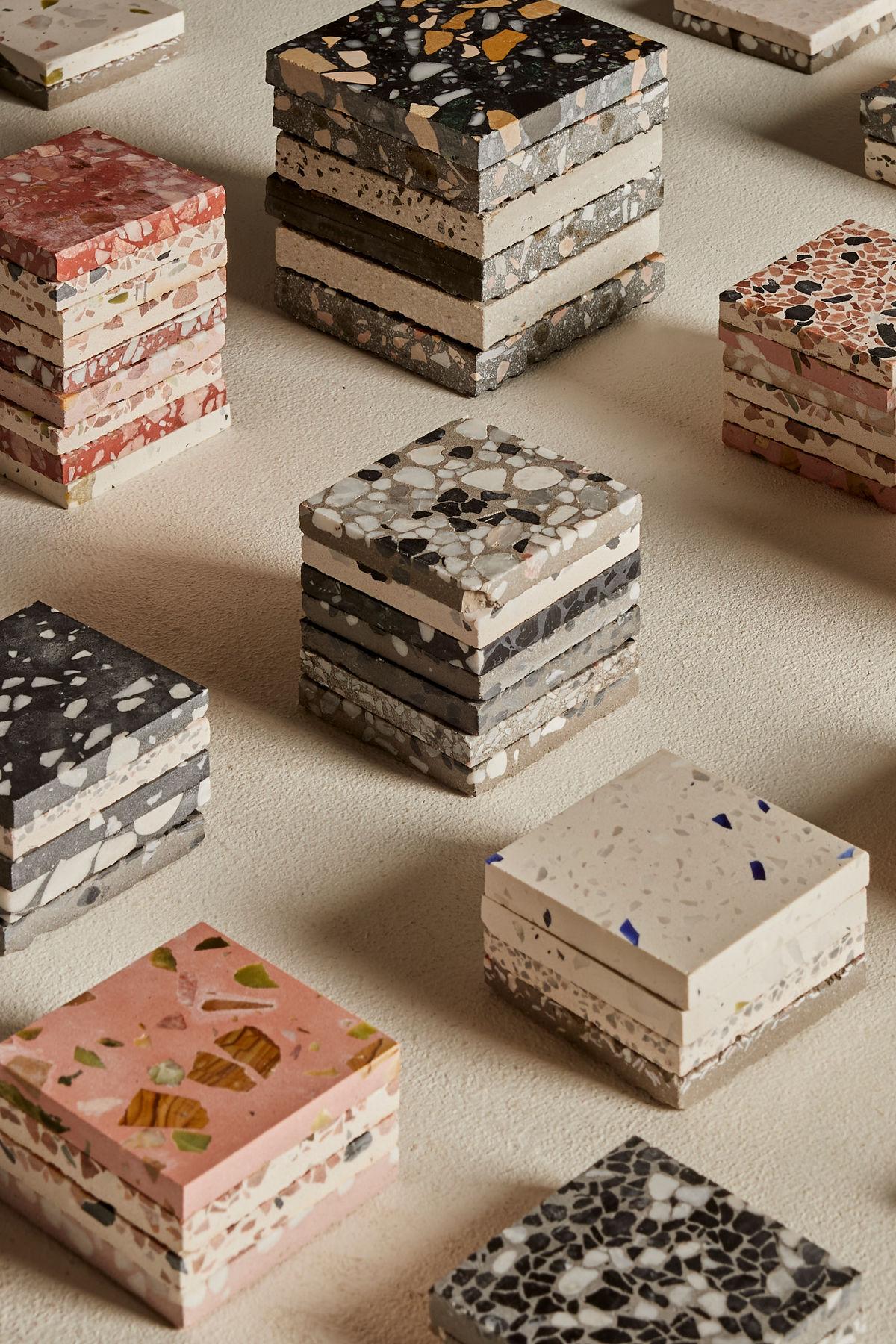
At its core, terrazzo is a mix of small stone or glass chips set into a base of cement or resin. These chips can be marble, quartz, granite, glass, or ceramic. Once everything is mixed and laid out on the floor, it is left to harden. After that, the surface is ground down so the chips start to show, and then it is polished until it becomes smooth and glossy. A protective seal is added at the end to keep the surface strong and bring out the colours. The final result is a hard, seamless surface that can last for decades.
The idea behind terrazzo is much older than most people realise. Long before modern tools or machines existed, people figured out that broken or leftover stone did not have to be wasted. In ancient settlements in what is now Turkey, people mixed crushed limestone with clay, spread it out, and polished it to make simple floors. The Romans later used a similar approach, combining broken pottery and brick with lime to create tough, water-resistant surfaces. These early experiments were not called terrazzo, but the thinking behind them was the same.
Terrazzo as we know it truly took shape in Venice during the 15th century. Marble was widely used in grand palaces, and marble workers were left with piles of offcuts and chips. Instead of throwing them away, they pressed these pieces into mortar and used the mixture for terraces and workspaces. That is where the name terrazzo comes from. Making it was slow and physical work. Floors were levelled by hand using heavy stone tools, and the surface was polished patiently over time. To finish it, workers even used goat’s milk as a natural sealer to deepen the shine. The craft was passed down through generations, refined little by little.

Terrazzo travelled beyond Europe when Italian craftsmen moved abroad, especially to the United States. Its big moment came in the early 20th century, when machines replaced hand grinding and made the process much faster and more affordable. Metal divider strips were introduced to prevent cracks and allow different colors and patterns. Suddenly, terrazzo was everywhere—in cinemas, schools, airports, government buildings, and famous landmarks. It became known as a floor that could handle heavy foot traffic without losing its charm.
Today, terrazzo has made a strong comeback. Designers and architects are drawn to it because it is tough, easy to maintain, and incredibly flexible in terms of design. It can be subtle or bold, modern or classic. It also fits perfectly with today’s focus on sustainability, since it often uses recycled materials and lasts far longer than most flooring options. You now see terrazzo not just on floors, but on walls, countertops, furniture, and even small home accessories.
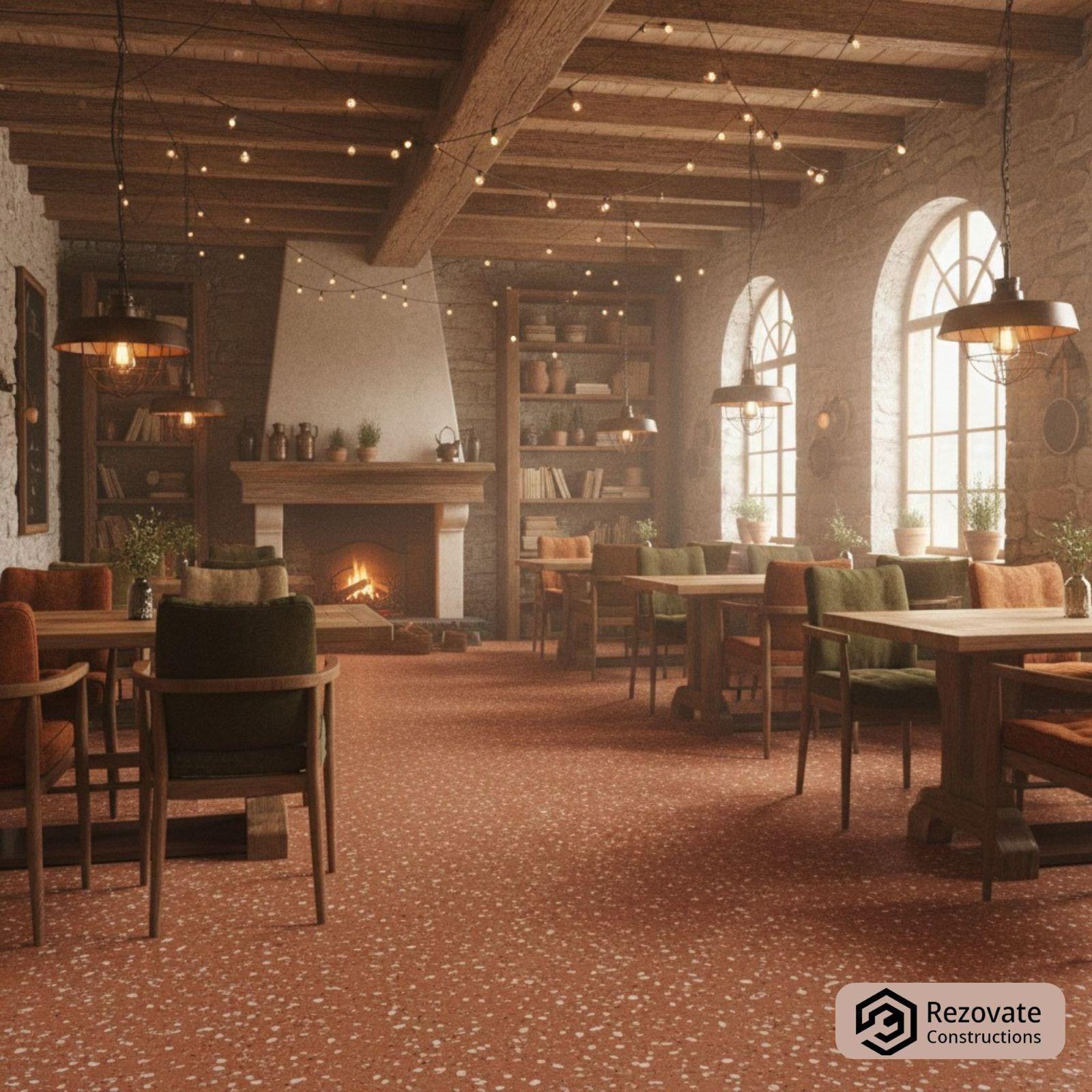
From ancient stone floors to modern interiors, terrazzo has quietly followed humanity through time. It is practical, resilient, and honest proof that sometimes the most lasting ideas are the simplest ones.


Related Blogs