Jan 21 • 2 min read
What if you discovered a material so stable that water, acids, sunlight or heat can’t react with it
That’s exactly what happened to chemist Roy Plunkett, who wasn’t trying to invent anything revolutionary. He was simply searching for a safer refrigerator gas. One morning, he grabbed a cylinder filled with a cold, compressed chemical. But when he opened the valve…
Nothing came out.
Confused, Plunkett cut the cylinder open. Inside he found a strange white, waxy, slippery solid. It didn’t react with anything, resisted chemicals, stayed stable in heat, and had one of the lowest friction levels ever seen.
It was polytetrafluoroethylene— Teflon.
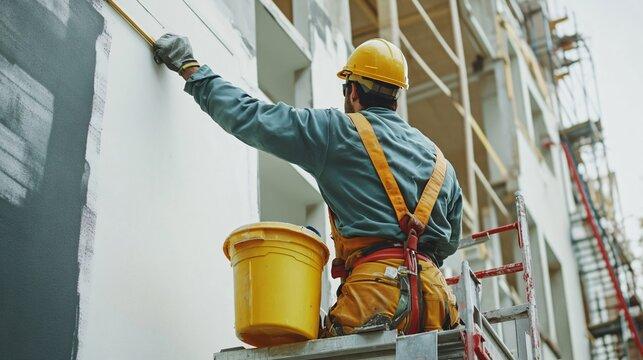
An accidental lab discovery became one of construction’s super materials protecting buildings with unmatched durability, stability, and resistance.
Its super-stability made it a perfect fit for construction: protecting cables from corrosion, coating industrial pipes, reducing wear in machinery, and enabling long-lasting architectural fabrics.
Teflon’s biggest flaw in the lab was that it refused to react with anything, that became it’s strength in constructing buildings.
At first, nobody had a clue what to do with Teflon.
Until World War II.
Scientists working on the Manhattan Project—the top-secret effort to build the first nuclear weapons—needed a material that could handle highly corrosive uranium chemicals without breaking down.
Almost nothing survived that environment.
Except Teflon.
Its extreme chemical resistance made it the perfect protective lining for valves, pipes, seals, and gaskets. Teflon became a behind-the-scenes hero of one of the most significant scientific undertakings in history.
After the war, the material became public
Suddenly, teflon was free to enter the commercial world.
But there was one challenge:
How do you scale a slippery, heat-resistant, chemically inert material into an industrial product?
Engineers solved it with specialized polymerization reactors and processing techniques, making it possible to produce Teflon coatings, films, pipes, sheets, and architectural components at scale. By the 1950s and 60s, Teflon had come out of the lab and moved into:
cookware
manufacturing
electronics
aerospace
and eventually… construction
Today, Teflon—and its family of fluoropolymers—form some of the most advanced materials in the built environment.
Here’s how it changed construction:
1. PTFE-Coated Fiberglass Membranes
These are the iconic white, glowing roofs seen in stadiums, terminals, and modern pavilions.
PTFE coatings make them:
self-cleaning
UV-resistant
fire-resistant
extremely durable
They can last 30+ years with almost no maintenance.
2. Low-Friction Bearings
PTFE is used in bridge expansion joints and sliding bearings, allowing massive structures to move safely during thermal expansion or earthquakes.
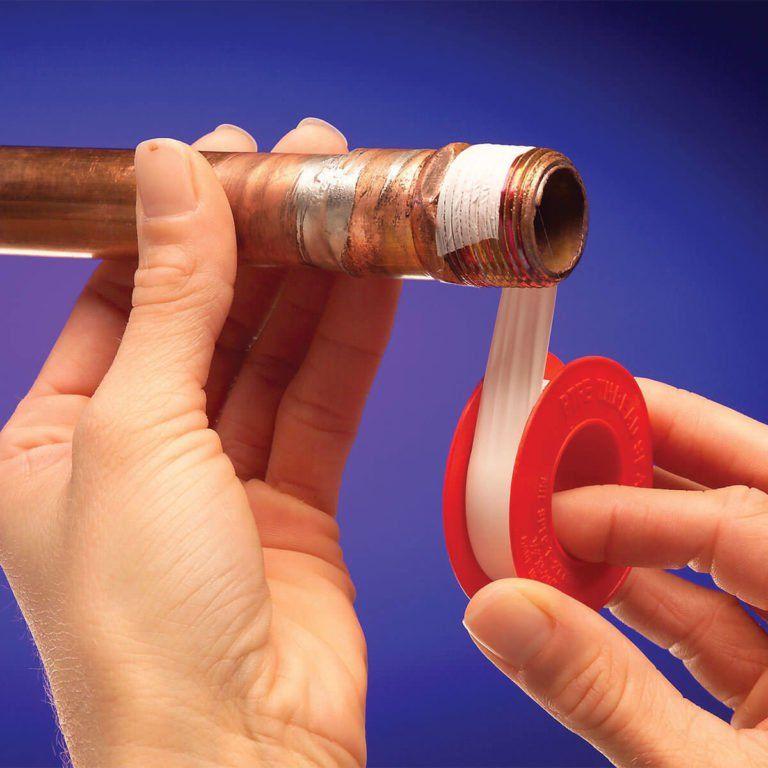
3. Sealants and Gaskets
PTFE’s inert chemistry makes it ideal for plumbing systems, chemical plants, and industrial infrastructure.
4. Corrosion-Proof Coatings
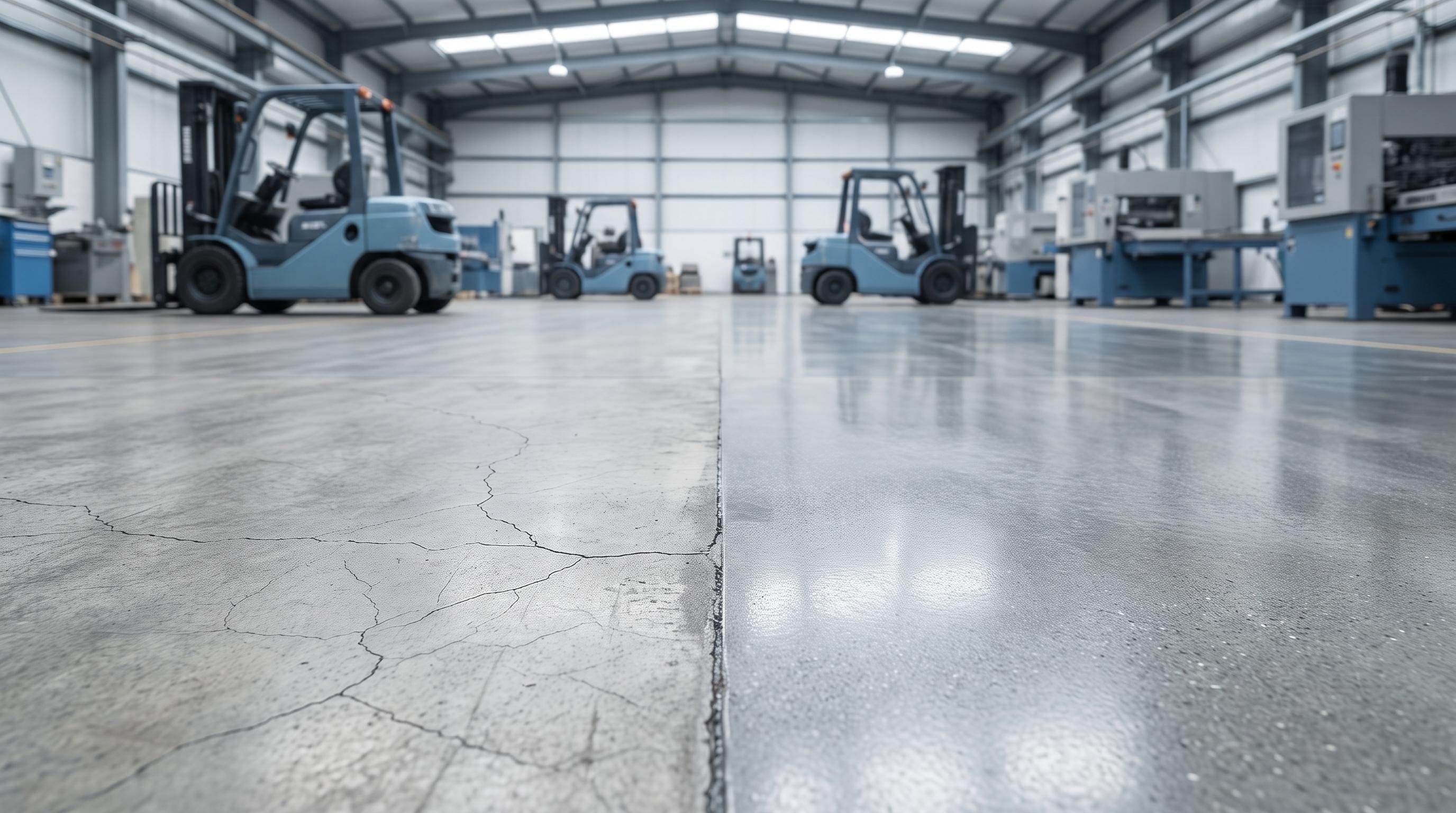
Pipes, tanks, and architectural hardware often use fluoropolymer coatings to resist rust, chemicals, moisture, and pollution.
5. High-Performance Cabling
PTFE insulation is used in data centers, high-rise electrical systems, and mission-critical infrastructure because it survives extreme heat and doesn’t degrade.
The story of Teflon isn’t just about non-stick pans. It’s about an accidental discovery that grew into a material capable of shaping modern architecture and infrastructure. It supported the nuclear project and survived the harshest chemicals on Earth.
It became a staple of design, engineering, and construction worldwide. And all of it started with one blocked cylinder and a curious chemist who wanted to know why.


Related Blogs