Dec 16 • 2 min read
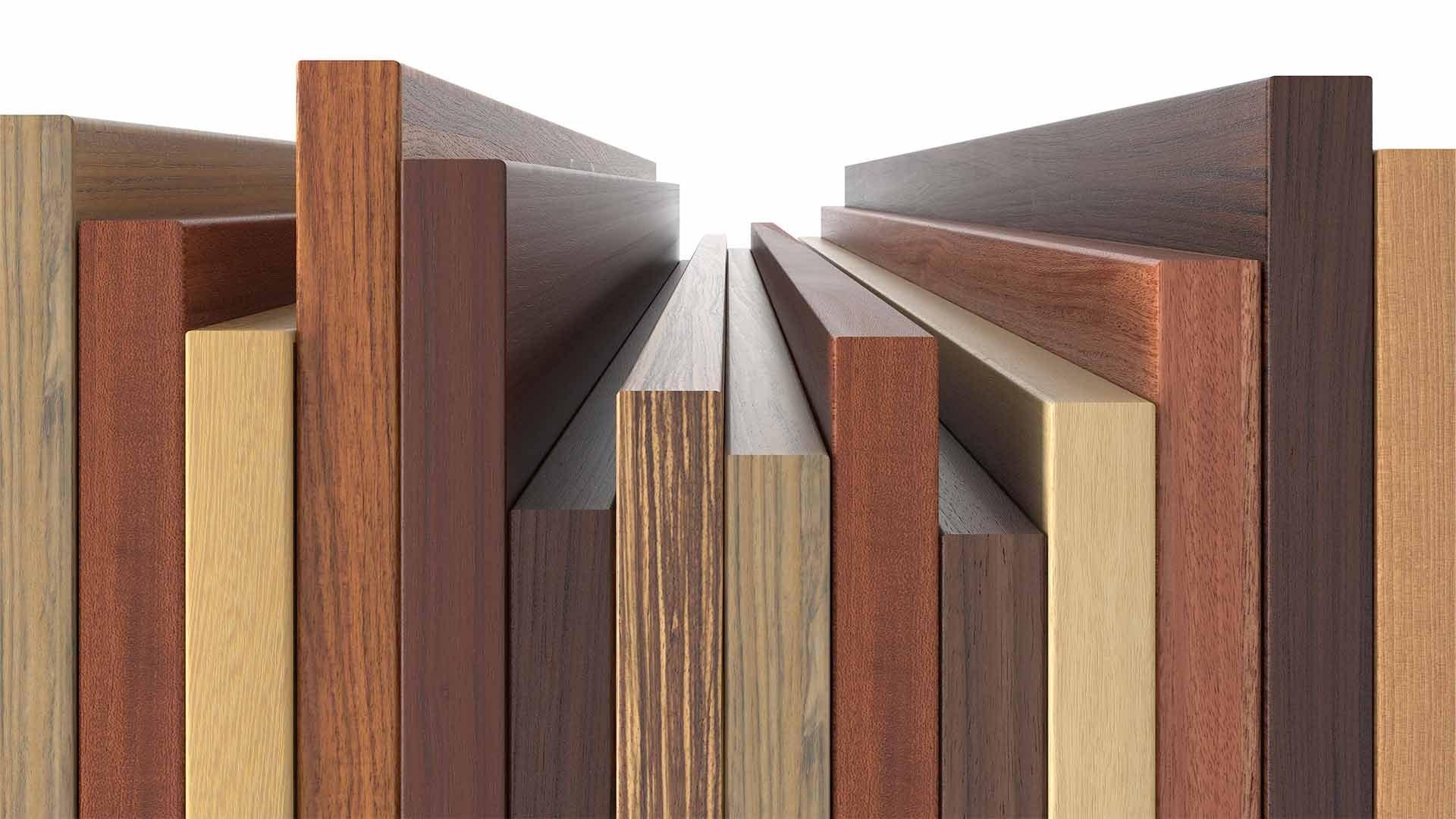
The material we casually call plywood—that ubiquitous, strong, flat panel that forms the bones of our homes and the shells of our furniture—is not an invention of the modern age, but an evolution stretching back millennia. Its history is a fascinating journey that transforms a simple ancient technique into a vital material of industrial warfare, ultimately setting the stage for the construction we know today.
The story begins with the Ancient Egyptians, not with a focus on speed or efficiency, but on conservation. Faced with scarce supplies of beautiful timbers like ebony, resourceful artisans began gluing thin, prized slices of wood, called veneers, onto rougher, cheaper cores. This wasn't merely decorative; it was structural alchemy. By creating a layered material, they achieved something solid wood could not: objects that resisted the natural tendency of wood to swell, shrink, and warp with humidity. This early lamination was the essential concept.
The technique remained a labor-intensive craft until the Industrial Revolution introduced two critical breakthroughs. First came the theory, patented by British engineer Samuel Bentham in 1797. He formally outlined the genius of the cross-grain lay-up, proving that if you alternate the direction of the wood fibers in each layer, the resulting panel gains exceptional stability and strength in both directions. The second, more vital invention came from Immanuel Nobel—the father of Alfred Nobel—who created the rotary lathe. This machine allowed an entire log to be spun against a blade, peeling off long, continuous, thin sheets of veneer like unwinding paper. Suddenly, the essential component for plywood became cheap and abundant.
This industrial readiness proved crucial when the world descended into conflict. Plywood’s true baptism by fire arrived with World War I. The need to rapidly produce machinery and housing meant traditional materials were too slow and heavy. Plywood became a strategic super-material. Its strength-to-weight ratio made it indispensable for the fledgling aviation industry, where planes needed to be light yet robust enough to handle combat stresses. Fuselages and wings of iconic WWI planes, like the De Havilland DH.4, relied heavily on its laminated construction. On the ground, the availability of large, standardized 4x8 foot sheets allowed the military to quickly erect thousands of prefabricated barracks, hospitals, and supply sheds, proving that plywood could withstand the damp, harsh conditions of the battlefield.
By demonstrating its superiority in speed of assembly, structural durability, and resistance to environmental stress under the extreme demands of global conflict, World War I validated plywood as a premier material. It cemented its transition from an ancient decorative technique to an essential, high-performance industrial product that would go on to shape the residential and commercial construction booms of the following century.


Related Blogs