Client Logo

Our Solutions

Concrete Polishing

Concrete Floor Repair

Odus Flooring

Epoxy Flooring

Epoxy Repair

Terrazo Flooring

Mosaic Flooring

Use Cases

Concrete Floor Repairing

Warehouse Flooring

Plant Flooring

Hyperstore Flooring

Case Studies

Procter & Gamble

Reliance Industries

Hershey’s India

LG

L&T Constructions

Careers

Internships

Jobs

Resources

Blogs

Team Diaries

Purpose and Passion

Our Story

The Drafting Table

Products

Alkali Resistant Flooring

Odus Dust Block

Terrazzo Flooring

Concrete Polishing Chemicals

Colored Concrete

Fast Curing Additives

Our Solutions
Concrete Polishing

Concrete Floor Repair

Odus Flooring

Epoxy Flooring

Epoxy Repair

Terrazo Flooring

Mosaic Flooring

Use Cases
Concrete Floor Repairing

Warehouse Flooring

Plant Flooring

Hyperstore Flooring

Case Studies
Procter & Gamble

Reliance Industries

Hershey’s India

LG

L&T Constructions

Careers
Internships

Jobs

Resources
Blogs

Team Diaries

Purpose and Passion

Our Story

The Drafting Table

Products
Alkali Resistant Flooring

Odus Dust Block

Terrazzo Flooring

Concrete Polishing Chemicals

Colored Concrete

Fast Curing Additives

The Manufacturing Success Story of P&G: From One Store to a Global Brand

Jul 27 • 4 min read

blog_cover

                        Introduction

Procter & Gamble (P&G) is a well-known global consumer goods company with a long and remarkable history. The story of P&G's growth from a humble beginning to its position as a market leader is truly inspiring. Let's dive deeper into the intriguing journey of how P&G managed to transform itself from a single store into an iconic global brand.

              From Humble Origins

P&G was founded by William Procter, a candlemaker, and James Gamble, a soap maker, in Cincinnati, Ohio in 1837. The two entrepreneurs were brothers-in-law, and they started their business with a total investment of just $3,596. Their first store was located on Pearl Street in Cincinnati.

Fun Fact: Legend has it that the reason Procter and Gamble came together to form a partnership was due to a marriage between their respective families. Their fathers had married two sisters, and it was their father-in-law, Alexander Norris, who suggested they join forces and create a business together.

       Early Success and Innovation

Even in its early years, P&G demonstrated a commitment to innovation. In 1859, the company introduced the world's first mass-produced soap, "Ivory." This marked the beginning of P&G's journey towards developing high-quality products that would become household staples.

Interesting Fact: To promote their Ivory soap, P&G placed a floating bar of Ivory in bathtubs in various cities in the late 1800s. This innovative marketing tactic attracted people's attention and created demand for their soap.

    Building Brands and Expanding Reach

P&G's real breakthrough came in the late 1800s when they recognized the power of building brand identity and marketing. They capitalized on the potential of advertising to reach a wider audience, which enabled them to expand their product lines and increase their market share.

One of P&G's most remarkable success stories is the transformation of a small candle-making business into the global brand known as Candlestick. Through strategic marketing and product development, P&G turned Candlestick into a leading household brand for candles. They successfully captured the market by offering a variety of scents and innovative candle design

 Embracing Technology and        Manufacturing Excellence

Throughout the 20th century, P&G continued to innovate both in product development and manufacturing processes. The company invested heavily in research and development, introducing new and improved products to the market. They also embraced technological advancements in manufacturing, improving efficiency and productivity.

P&G revolutionized the laundry detergent industry with the introduction of Tide in 1946. They incorporated cutting-edge chemical technologies to create a detergent that was more effective in removing stains. This breakthrough innovation and superior cleaning power made Tide a household name and a market leader that still dominates the laundry detergent aisle today.

            Expanding Global Footprint

P&G's success was not limited to the United States. The company recognized the potential of international markets early on, and in 1915, P&G opened its first foreign plant in Canada. This marked the beginning of P&G's global expansion.

Fascinating Fact: P&G's expansion into international markets led to an interesting cultural adaptation. When they first introduced Crest toothpaste in France, the marketing team faced the challenge of educating consumers about the concept of "preventive dentistry" since French oral care habits were more focused on treatment. P&G successfully overcame this by launching a comprehensive educational campaign, which eventually led to the widespread adoption of preventive dental care in France.

          Corporate Social Responsibility

P&G's success story is not just about financial growth but also about its commitment to corporate social responsibility. The company has always strived to make a positive impact on society. P&G has launched various initiatives to address environmental sustainability, social justice, and community development.

Exemplary Initiative: P&G's "Children's Safe Drinking Water" program provides water purification packets to communities in need, helping to reduce waterborne illnesses. This initiative has been successful in delivering clean drinking water to more than 13 billion liters, impacting millions of lives worldwide.

             A Positive Work Environment

P&G focuses on creating a positive work environment for its employees. Here are some factors that contribute to this:

P&G takes great pride in enriching the atmosphere within its factories by incorporating elements that reflect the company's values and culture. By carefully curating the interior design, P&G creates an environment that is visually engaging and inspiring for its employees. This attention to detail fosters a sense of pride and motivation among the workforce, encouraging a strong connection to the company's mission and values.

Equal Treatment of Employees: Each and every employee is treated as equal at P&G, regardless of their position within the company. This inclusive approach cultivates a sense of belonging, employee satisfaction, and encourages collaboration and teamwork.

Commitment to Safety: Safety is a top priority for P&G, and the company does not compromise on this aspect. By prioritizing safety above all else, P&G ensures a secure and healthy working environment for its employees.

P&G prioritizes the comfort and well-being of its employees by providing office spaces that promote a conducive atmosphere for work. These thoughtfully designed spaces are tailored to create a comfortable environment, allowing employees to focus and thrive in their tasks. By emphasizing the importance of a pleasant workspace, P&G cultivates a productive and contented workforce, ultimately contributing to overall job satisfaction and success.

                               P&G Today

Today, P&G is one of the largest consumer goods companies in the world, with a portfolio of well-known brands that includes Crest toothpaste, Gillette razors, and Olay skin care products. The company employs over 100,000 people worldwide and has a market capitalization of over $300 billion.

Our Clients

Hershey's
L&T Construction
LG
P&G
Yanjan
Eicher
Reliance
Icon

India's Best Industrial and Commercial Flooring Solution Provider

Trusted by 200+ clients. We provide flooring services and supply products for all sorts of Industrial flooring. Call us at +917869964996 or share contact details by filling the form below:

Related Blogs

Elements of Construction: Terrazzo

Elements of Construction: Terrazzo

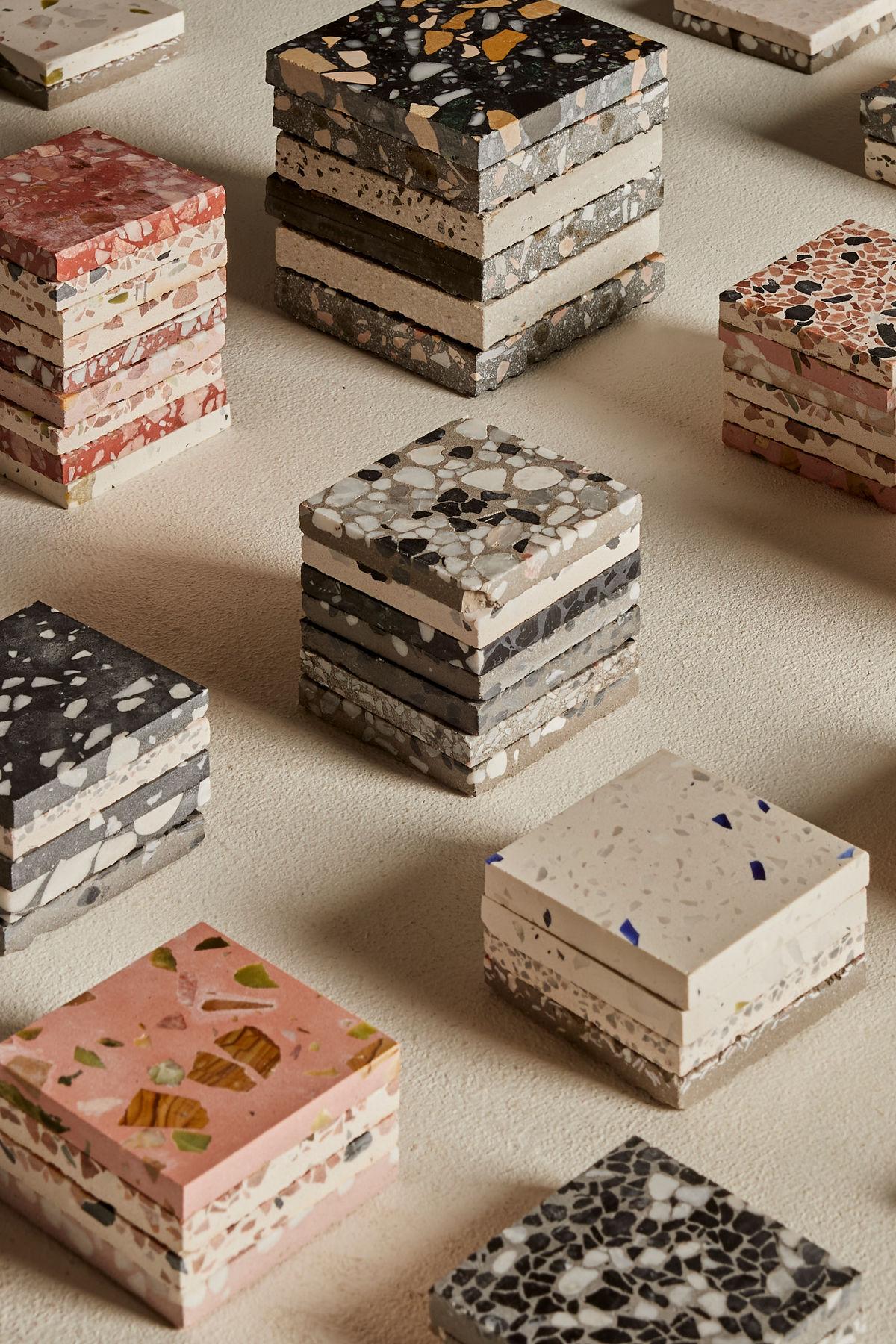
Terrazzo began as a practical solution—an inventive way to reuse stone fragments—and evolved into one of architecture’s most enduring finishes. From ancient pavements to Venetian craftsmanship and modern public landmarks, terrazzo’s story is one of sustainability, durability, and timeless design.

Dec 16,2025

2 min

Elements of Construction: Duct Tape

Elements of Construction: Duct Tape

Duct tape wasn’t meant to be iconic. It was meant to solve a problem. Born out of necessity during wartime, it quietly went on to become one of the most relied-upon materials on construction sites everywhere, proof that the simplest ideas often leave the biggest impact.

Dec 16,2025

2 min

Elements of Construction: Teflon

Elements of Construction: Teflon

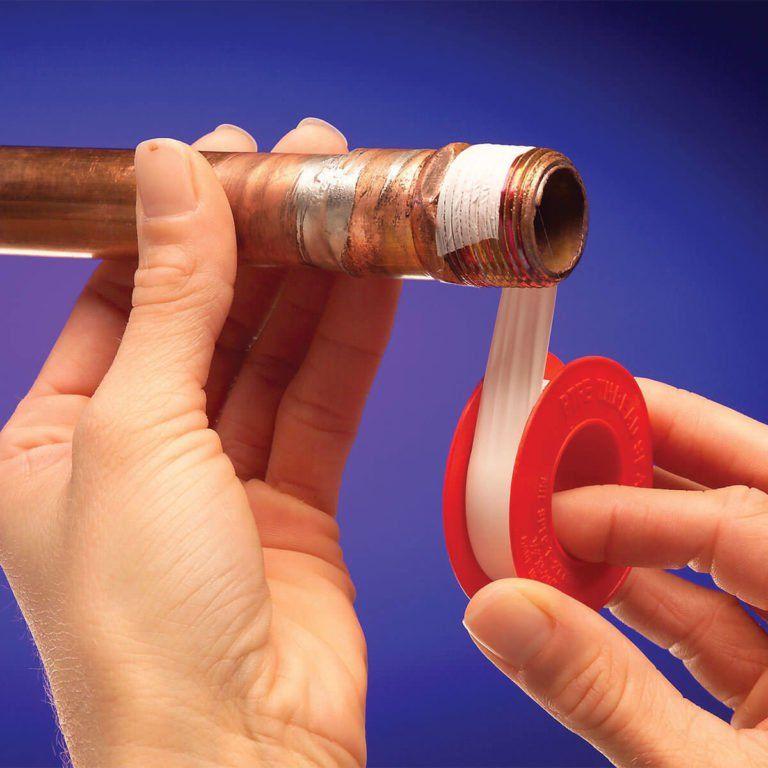
Teflon was never meant for buildings. Discovered by accident while searching for a safer refrigerant gas, its refusal to react with almost anything turned it into one of construction’s underrated materials—protecting structures from corrosion, heat and damage.

Jan 21,2026

2 min

Why is India a Hotspot for Global Investors?

Why is India a Hotspot for Global Investors?

India ranks 5th globally, with 6.8% GDP growth, vast market, young population, UPI leadership, reforms, and 100% FDI in most sectors—making it a prime investment hotspot.

Feb 25,2026

8 min

Elements of Construction: Paints

Elements of Construction: Paints

Historically, wall colors from natural pigments like ultramarine (from lapis lazuli), lead white, mercury vermilion, and arsenic green were luxurious but highly toxic, involving dangerous mining, trade, and application that poisoned artisans. Paint was a labor-intensive process driven by experience, not safety. The Industrial Revolution brought synthetic pigments, making paint safe, scalable, and functional—protecting buildings from corrosion, fire, and weathering. Modern architecture benefits from engineered coatings, but today's safe colors echo a violent past of risk and human sacrifice.

Jan 06,2026

2 min

Elements of Construction: Plywood

Elements of Construction: Plywood

Plywood may seem like a modern construction staple, but its origins stretch back thousands of years. What began as an ancient technique of layering veneers for stability evolved through industrial innovation into a lightweight, high-strength material. Its true breakthrough came during World War I, where its speed, durability, and strength-to-weight ratio made it indispensable for aircraft and rapid construction—cementing plywood’s place as a foundational material of modern building.

Dec 16,2025

2 min

Elements of Construction: Terrazzo

Elements of Construction: Terrazzo

Terrazzo began as a practical solution—an inventive way to reuse stone fragments—and evolved into one of architecture’s most enduring finishes. From ancient pavements to Venetian craftsmanship and modern public landmarks, terrazzo’s story is one of sustainability, durability, and timeless design.

Dec 16,2025

2 min

Elements of Construction: Duct Tape

Elements of Construction: Duct Tape

Duct tape wasn’t meant to be iconic. It was meant to solve a problem. Born out of necessity during wartime, it quietly went on to become one of the most relied-upon materials on construction sites everywhere, proof that the simplest ideas often leave the biggest impact.

Dec 16,2025

2 min

Elements of Construction: Teflon

Elements of Construction: Teflon

Teflon was never meant for buildings. Discovered by accident while searching for a safer refrigerant gas, its refusal to react with almost anything turned it into one of construction’s underrated materials—protecting structures from corrosion, heat and damage.

Jan 21,2026

2 min

Why is India a Hotspot for Global Investors?

Why is India a Hotspot for Global Investors?

India ranks 5th globally, with 6.8% GDP growth, vast market, young population, UPI leadership, reforms, and 100% FDI in most sectors—making it a prime investment hotspot.

Feb 25,2026

8 min

Elements of Construction: Paints

Elements of Construction: Paints

Historically, wall colors from natural pigments like ultramarine (from lapis lazuli), lead white, mercury vermilion, and arsenic green were luxurious but highly toxic, involving dangerous mining, trade, and application that poisoned artisans. Paint was a labor-intensive process driven by experience, not safety. The Industrial Revolution brought synthetic pigments, making paint safe, scalable, and functional—protecting buildings from corrosion, fire, and weathering. Modern architecture benefits from engineered coatings, but today's safe colors echo a violent past of risk and human sacrifice.

Jan 06,2026

2 min

Elements of Construction: Plywood

Elements of Construction: Plywood

Plywood may seem like a modern construction staple, but its origins stretch back thousands of years. What began as an ancient technique of layering veneers for stability evolved through industrial innovation into a lightweight, high-strength material. Its true breakthrough came during World War I, where its speed, durability, and strength-to-weight ratio made it indispensable for aircraft and rapid construction—cementing plywood’s place as a foundational material of modern building.

Dec 16,2025

2 min

Elements of Construction: Terrazzo

Elements of Construction: Terrazzo

Terrazzo began as a practical solution—an inventive way to reuse stone fragments—and evolved into one of architecture’s most enduring finishes. From ancient pavements to Venetian craftsmanship and modern public landmarks, terrazzo’s story is one of sustainability, durability, and timeless design.

Dec 16,2025

2 min

Elements of Construction: Duct Tape

Elements of Construction: Duct Tape

Duct tape wasn’t meant to be iconic. It was meant to solve a problem. Born out of necessity during wartime, it quietly went on to become one of the most relied-upon materials on construction sites everywhere, proof that the simplest ideas often leave the biggest impact.

Dec 16,2025

2 min

Elements of Construction: Teflon

Elements of Construction: Teflon

Teflon was never meant for buildings. Discovered by accident while searching for a safer refrigerant gas, its refusal to react with almost anything turned it into one of construction’s underrated materials—protecting structures from corrosion, heat and damage.

Jan 21,2026

2 min