Client Logo

Our Solutions

Concrete Polishing

Concrete Floor Repair

Odus Flooring

Epoxy Flooring

Epoxy Repair

Terrazo Flooring

Mosaic Flooring

Use Cases

Concrete Floor Repairing

Warehouse Flooring

Plant Flooring

Hyperstore Flooring

Case Studies

Procter & Gamble

Reliance Industries

Hershey’s India

LG

L&T Constructions

Careers

Internships

Jobs

Resources

Blogs

Team Diaries

Purpose and Passion

Our Story

The Drafting Table

Products

Alkali Resistant Flooring

Odus Dust Block

Terrazzo Flooring

Concrete Polishing Chemicals

Colored Concrete

Fast Curing Additives

Our Solutions
Concrete Polishing

Concrete Floor Repair

Odus Flooring

Epoxy Flooring

Epoxy Repair

Terrazo Flooring

Mosaic Flooring

Use Cases
Concrete Floor Repairing

Warehouse Flooring

Plant Flooring

Hyperstore Flooring

Case Studies
Procter & Gamble

Reliance Industries

Hershey’s India

LG

L&T Constructions

Careers
Internships

Jobs

Resources
Blogs

Team Diaries

Purpose and Passion

Our Story

The Drafting Table

Products
Alkali Resistant Flooring

Odus Dust Block

Terrazzo Flooring

Concrete Polishing Chemicals

Colored Concrete

Fast Curing Additives

The Art of construction-Leaning Tower of Pisa

Jan 16 • 2 min read

blog_cover

Why Did the Tower of Pisa Start Tilting?

The tower began tilting shortly after construction began in 1173. The root cause lies in its unstable foundation:

  • Soft Ground: The tower was built on a mix of clay, fine sand, and silt. This soil composition is highly compressible and unable to support the structure’s weight evenly.

  • Uneven Settling: As the foundation sank unevenly, the tilt started to emerge when construction reached the third floor.

  • Design Oversight: Medieval builders did not account for the soil’s instability. The shallow foundation (only about 3 meters deep) further exacerbated the issue.

How Was the Tower Stabilized?

Over the centuries, various stabilization efforts have been made to prevent the tower from collapsing:

  • Counterweights: In the 1990s, engineers placed massive lead counterweights (weighing 900 tons) on the tower’s north side to counterbalance the tilt.

  • Soil Extraction: Engineers used a technique called soil extraction to remove small amounts of earth from beneath the higher side of the foundation. This allowed the tower to slowly straighten itself as the soil settled.

  • Anchors and Braces: Steel cables and braces were temporarily installed to stabilize the tower during restoration work.

  • Foundation Strengthening: Cement grouting and other reinforcements were used to solidify the soil beneath the tower.

  • Tilt Reduction: By 2001, the tilt was reduced from 5.5 degrees to 3.97 degrees, ensuring the tower’s safety for at least another 200 years.

How Has the Tower Survived Earthquakes?

Despite its precarious tilt, the Leaning Tower of Pisa has withstood numerous earthquakes over the centuries. This resilience is due to a combination of factors:

1. Flexible Structure

  • The tower is built primarily from limestone and marble, materials that are strong yet flexible enough to absorb seismic shocks.

  • Its hollow interior and lightweight construction allow it to sway rather than resist the forces of an earthquake, reducing the risk of cracking or collapse.

2. Dynamic Soil-Structure Interaction

  • The same soft soil that caused the tilt has also contributed to the tower’s survival.

  • The soil absorbs much of the seismic energy, acting like a cushion that reduces the intensity of vibrations reaching the structure.

3. Low Natural Frequency

  • The tower’s natural frequency (the rate at which it oscillates) is much lower than the frequency of most earthquake tremors.

  • This mismatch means the seismic waves do not resonate with the structure, preventing catastrophic vibrations.

4. Material Science

  • Marble: Used extensively in the tower, marble has good compressive strength, allowing it to bear weight effectively even when tilted.

  • Limestone: Provides flexibility and is less likely to crack under stress compared to harder, more brittle stone.

The Science of Materials and Seismic Stability

Marble and Limestone Properties:
These materials have a high elastic modulus, meaning they can deform slightly without breaking. This property is crucial for withstanding the shifting forces of an earthquake.

Masonry Techniques:
The tower’s construction utilized interlocking stones and mortar, distributing stress more evenly and preventing localized failures.

Conclusion

The Leaning Tower of Pisa is a testament to both medieval ingenuity and modern engineering. What began as a construction oversight evolved into a global icon, thanks to the innovative efforts to stabilize it. Its unique combination of materials, structural flexibility, and the unexpected advantage of soft soil has ensured its survival through centuries of earthquakes and environmental challenges. Today, it stands as a symbol of resilience and human creativity.

Image Credits

ttp://news.bbc.co.uk/2/hi/europe/793432.stm

https://www.thetrainline.com/en-us/via/europe/italy/pisa/guide-to-pisa-s-leaning-tower


Our Clients

Hershey's
L&T Construction
LG
P&G
Yanjan
Eicher
Reliance
Icon

India's Best Industrial and Commercial Flooring Solution Provider

Trusted by 200+ clients. We provide flooring services and supply products for all sorts of Industrial flooring. Call us at +917869964996 or share contact details by filling the form below:

Related Blogs

Elements of Construction: Terrazzo

Elements of Construction: Terrazzo

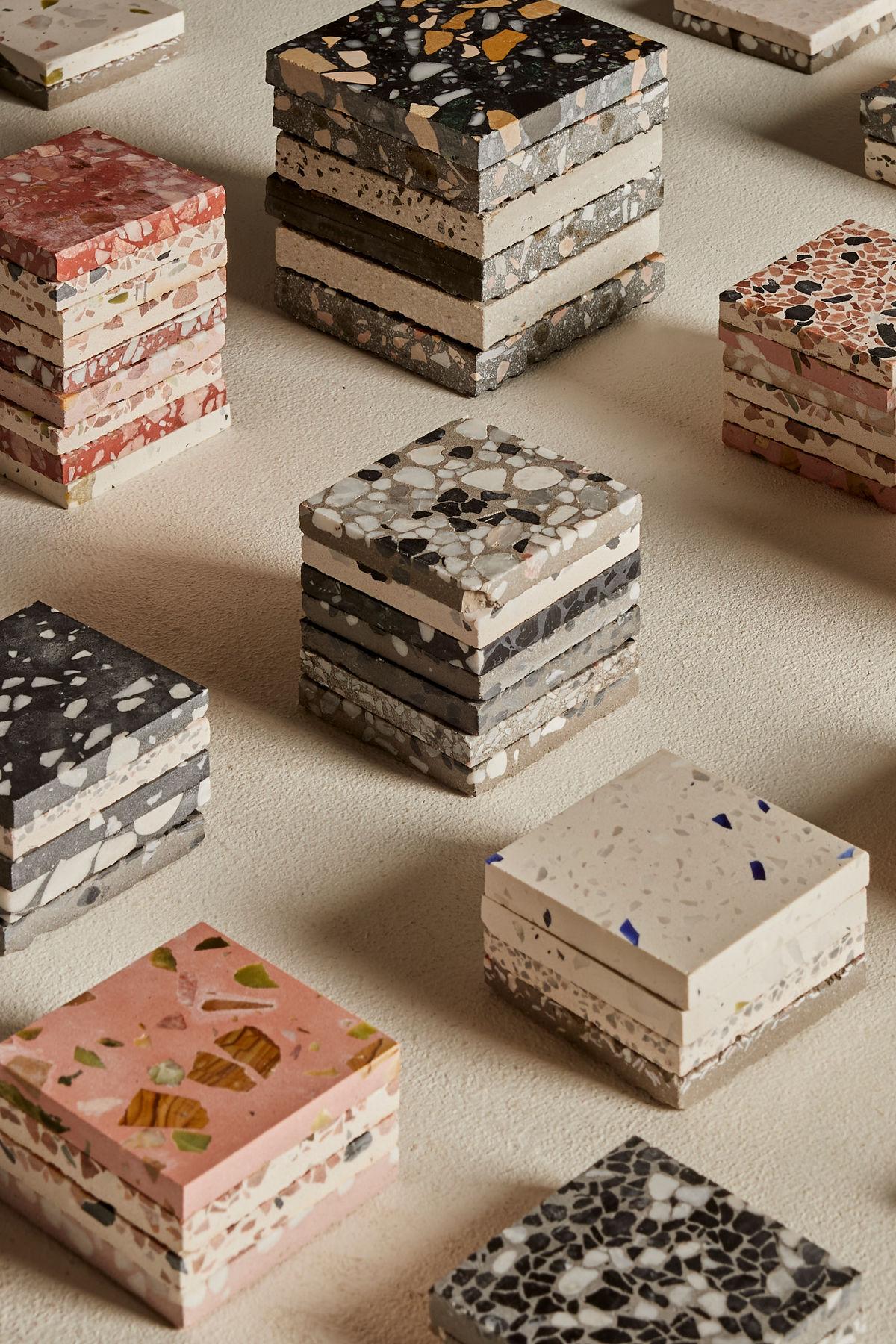
Terrazzo began as a practical solution—an inventive way to reuse stone fragments—and evolved into one of architecture’s most enduring finishes. From ancient pavements to Venetian craftsmanship and modern public landmarks, terrazzo’s story is one of sustainability, durability, and timeless design.

Dec 16,2025

2 min

Elements of Construction: Duct Tape

Elements of Construction: Duct Tape

Duct tape wasn’t meant to be iconic. It was meant to solve a problem. Born out of necessity during wartime, it quietly went on to become one of the most relied-upon materials on construction sites everywhere, proof that the simplest ideas often leave the biggest impact.

Dec 16,2025

2 min

Elements of Construction: Teflon

Elements of Construction: Teflon

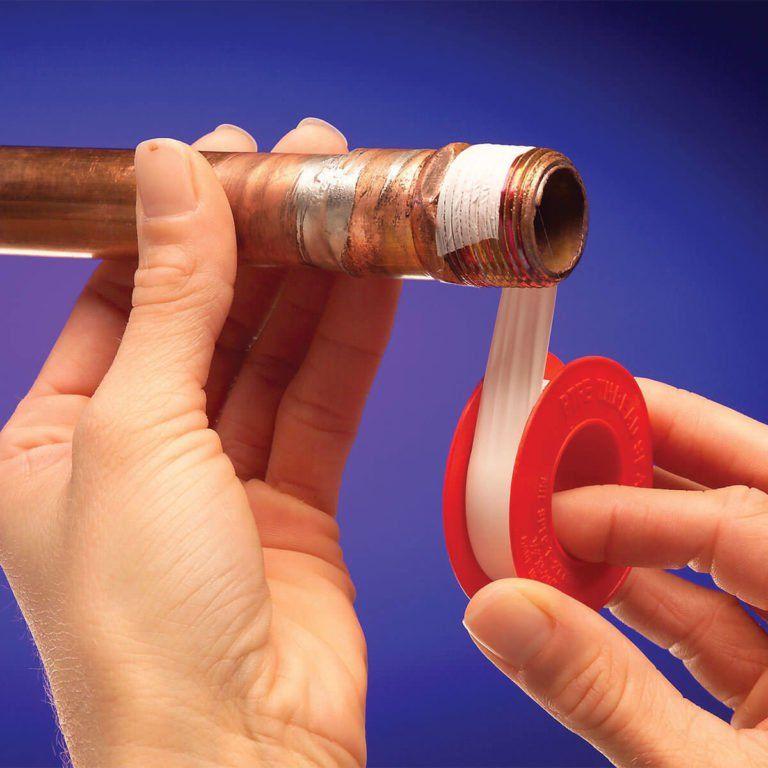
Teflon was never meant for buildings. Discovered by accident while searching for a safer refrigerant gas, its refusal to react with almost anything turned it into one of construction’s underrated materials—protecting structures from corrosion, heat and damage.

Jan 21,2026

2 min

Why is India a Hotspot for Global Investors?

Why is India a Hotspot for Global Investors?

India ranks 5th globally, with 6.8% GDP growth, vast market, young population, UPI leadership, reforms, and 100% FDI in most sectors—making it a prime investment hotspot.

Feb 25,2026

8 min

Elements of Construction: Paints

Elements of Construction: Paints

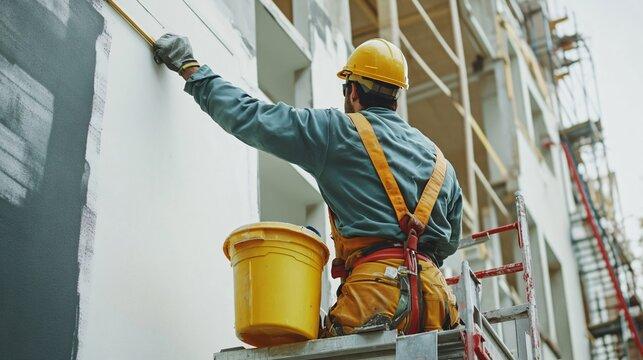
Historically, wall colors from natural pigments like ultramarine (from lapis lazuli), lead white, mercury vermilion, and arsenic green were luxurious but highly toxic, involving dangerous mining, trade, and application that poisoned artisans. Paint was a labor-intensive process driven by experience, not safety. The Industrial Revolution brought synthetic pigments, making paint safe, scalable, and functional—protecting buildings from corrosion, fire, and weathering. Modern architecture benefits from engineered coatings, but today's safe colors echo a violent past of risk and human sacrifice.

Jan 06,2026

2 min

Elements of Construction: Plywood

Elements of Construction: Plywood

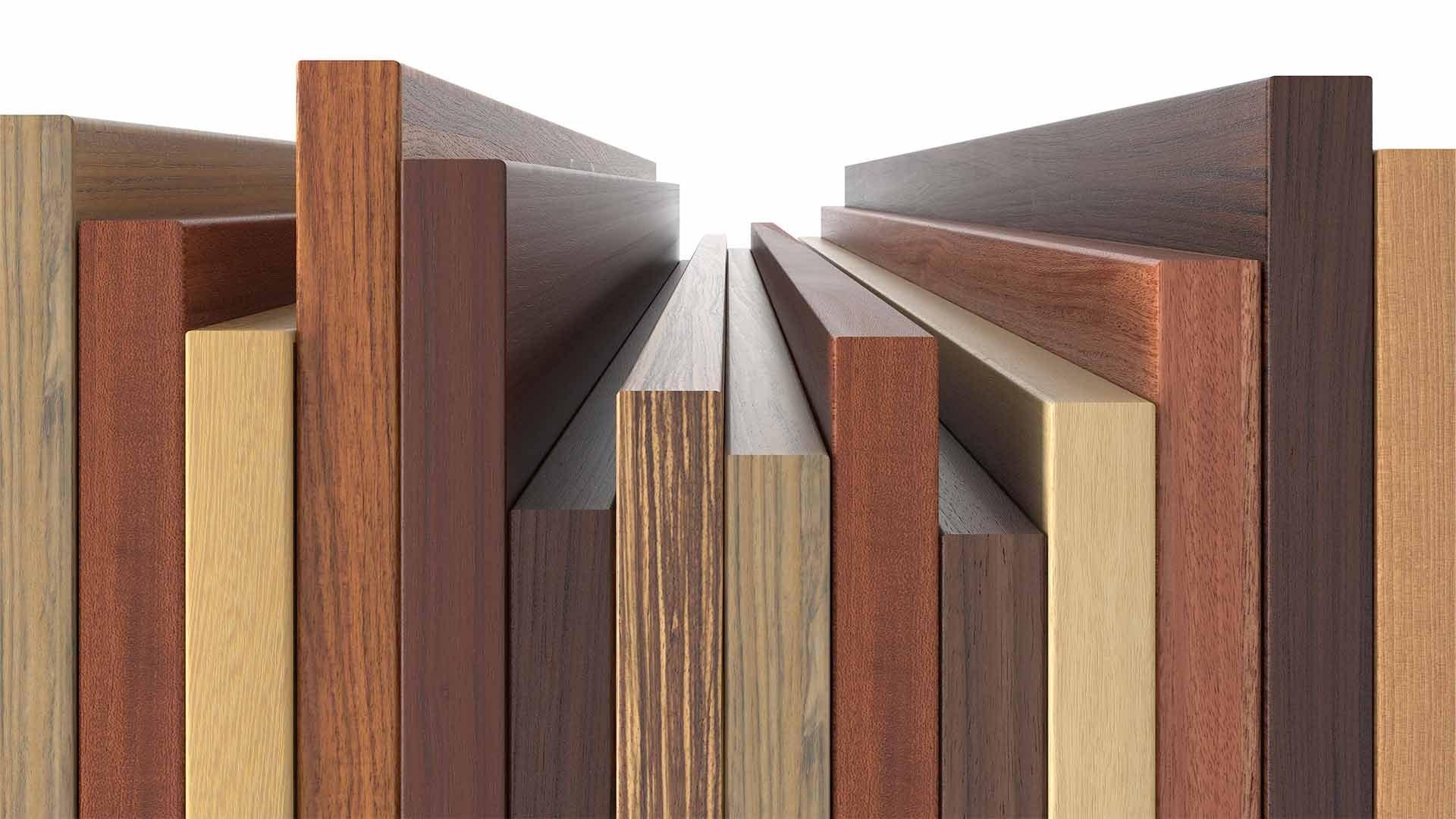
Plywood may seem like a modern construction staple, but its origins stretch back thousands of years. What began as an ancient technique of layering veneers for stability evolved through industrial innovation into a lightweight, high-strength material. Its true breakthrough came during World War I, where its speed, durability, and strength-to-weight ratio made it indispensable for aircraft and rapid construction—cementing plywood’s place as a foundational material of modern building.

Dec 16,2025

2 min

Elements of Construction: Terrazzo

Elements of Construction: Terrazzo

Terrazzo began as a practical solution—an inventive way to reuse stone fragments—and evolved into one of architecture’s most enduring finishes. From ancient pavements to Venetian craftsmanship and modern public landmarks, terrazzo’s story is one of sustainability, durability, and timeless design.

Dec 16,2025

2 min

Elements of Construction: Duct Tape

Elements of Construction: Duct Tape

Duct tape wasn’t meant to be iconic. It was meant to solve a problem. Born out of necessity during wartime, it quietly went on to become one of the most relied-upon materials on construction sites everywhere, proof that the simplest ideas often leave the biggest impact.

Dec 16,2025

2 min

Elements of Construction: Teflon

Elements of Construction: Teflon

Teflon was never meant for buildings. Discovered by accident while searching for a safer refrigerant gas, its refusal to react with almost anything turned it into one of construction’s underrated materials—protecting structures from corrosion, heat and damage.

Jan 21,2026

2 min

Why is India a Hotspot for Global Investors?

Why is India a Hotspot for Global Investors?

India ranks 5th globally, with 6.8% GDP growth, vast market, young population, UPI leadership, reforms, and 100% FDI in most sectors—making it a prime investment hotspot.

Feb 25,2026

8 min

Elements of Construction: Paints

Elements of Construction: Paints

Historically, wall colors from natural pigments like ultramarine (from lapis lazuli), lead white, mercury vermilion, and arsenic green were luxurious but highly toxic, involving dangerous mining, trade, and application that poisoned artisans. Paint was a labor-intensive process driven by experience, not safety. The Industrial Revolution brought synthetic pigments, making paint safe, scalable, and functional—protecting buildings from corrosion, fire, and weathering. Modern architecture benefits from engineered coatings, but today's safe colors echo a violent past of risk and human sacrifice.

Jan 06,2026

2 min

Elements of Construction: Plywood

Elements of Construction: Plywood

Plywood may seem like a modern construction staple, but its origins stretch back thousands of years. What began as an ancient technique of layering veneers for stability evolved through industrial innovation into a lightweight, high-strength material. Its true breakthrough came during World War I, where its speed, durability, and strength-to-weight ratio made it indispensable for aircraft and rapid construction—cementing plywood’s place as a foundational material of modern building.

Dec 16,2025

2 min

Elements of Construction: Terrazzo

Elements of Construction: Terrazzo

Terrazzo began as a practical solution—an inventive way to reuse stone fragments—and evolved into one of architecture’s most enduring finishes. From ancient pavements to Venetian craftsmanship and modern public landmarks, terrazzo’s story is one of sustainability, durability, and timeless design.

Dec 16,2025

2 min

Elements of Construction: Duct Tape

Elements of Construction: Duct Tape

Duct tape wasn’t meant to be iconic. It was meant to solve a problem. Born out of necessity during wartime, it quietly went on to become one of the most relied-upon materials on construction sites everywhere, proof that the simplest ideas often leave the biggest impact.

Dec 16,2025

2 min

Elements of Construction: Teflon

Elements of Construction: Teflon

Teflon was never meant for buildings. Discovered by accident while searching for a safer refrigerant gas, its refusal to react with almost anything turned it into one of construction’s underrated materials—protecting structures from corrosion, heat and damage.

Jan 21,2026

2 min