Oct 1 • 5 min read
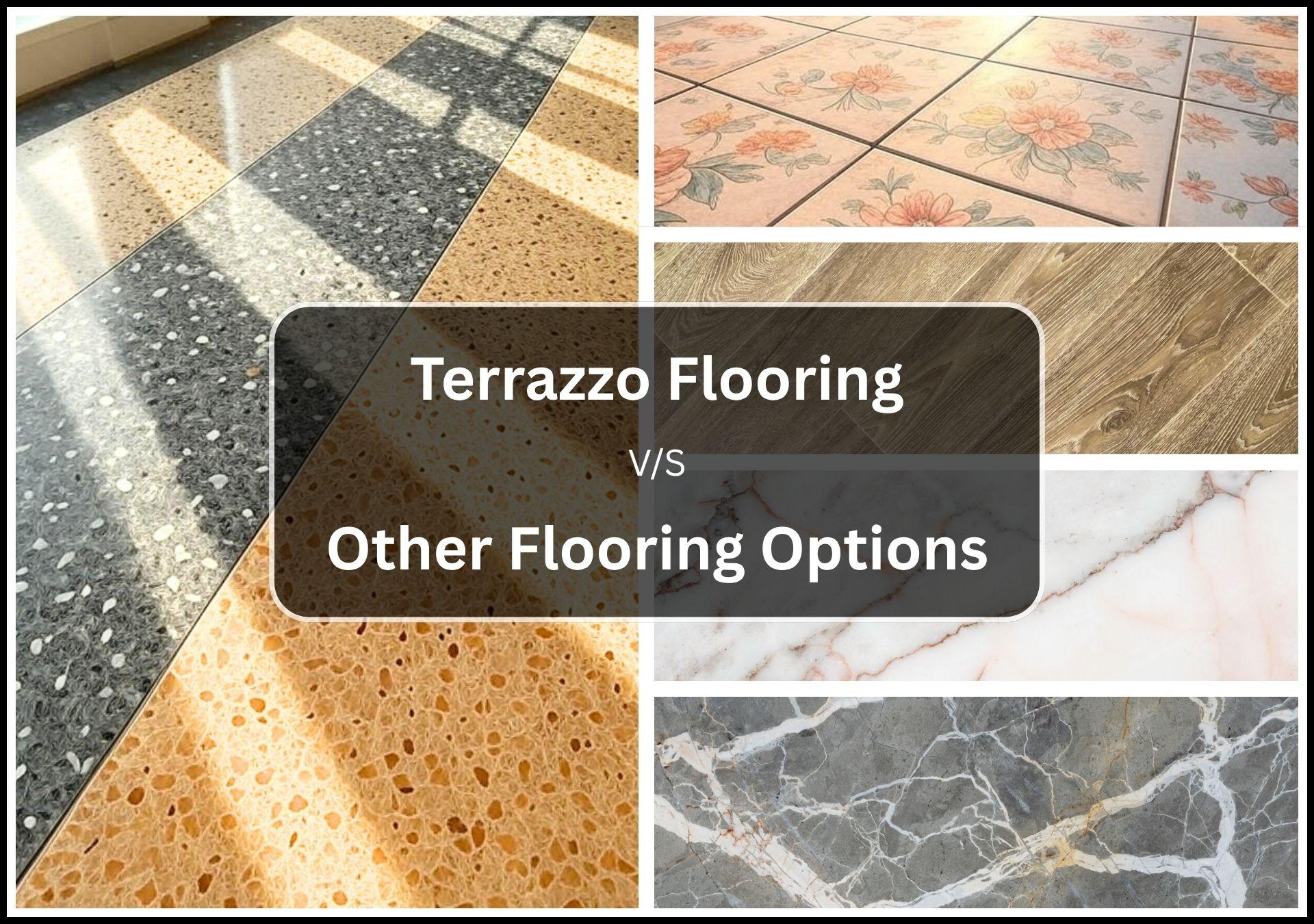
Choosing the right flooring for your Indian project, whether it’s a villa, café, or commercial building, involves balancing aesthetics, durability, cost, maintenance, impact on health and environment and suitability for India’s diverse climates.
Terrazzo flooring, with its seamless, monolithic surface and customizable designs, is a strong contender. This blog compares cement-based terrazzo to ceramic tiles, marble, granite, vinyl, and laminate, focusing on their benefits, drawbacks, and costs, with tailored recommendations for Indian homes and businesses.
Aspect | Terrazzo | Ceramic Tiles |
Positioning | Suited for high-end, luxury spaces. | Common in budget-focused or utility areas. |
Visual Impact | Seamless, glossy, and highly customizable finish. | Many designs are available, but disrupted by grout lines. |
Joints | Monolithic surface with no visible joints. | Multiple grout lines interrupt the visual flow. |
Color Longevity | Colors stay vibrant long-term; easily refreshed by polishing. | Surface may fade in a few years; requires replacement to restore original appearance. |
Renewability | Can be polished to restore a like-new look if dulled. | Faded or worn tiles must be replaced and cannot be restored. |
Traffic Resistance | Withstands heavy foot traffic and wear. | Durable for daily use, but can chip or crack more easily. |
Weather Suitability | Cement terrazzo handles UV/humidity well. | Grout may deteriorate in humid areas; needs extra care. |
Initial Cost | High - due to skilled installation. | Low, affordable for large areas. |
Long-term Value | Lowers replacement costs due to durability and renewability. | More frequent replacements/repairs increase long-term costs. |
Routine Care | Needs sealing every 1-2 years, easy cleaning. | Grout and tiles require regular cleaning and occasional resealing. |
Anti-slip Needs | May require anti-slip treatment in wet areas. | Standard tiles may be slippery; anti-slip versions available. |
Carbon Footprint | Low | Moderate - due to energy use during firing and transportation |
Recyclability | High - can be broken and used in Terrazzo again | Low - Once damaged - it is difficult to reuse them |
Terrazzo is superior for aesthetics and durability, especially for seamless, high-end designs in Indian villas or cafés. It helps to give a grand appeal to places. Ceramic tiles are a budget-friendly option but require more maintenance and lack the same visual impact.
Aspect | Terrazzo | Marble & Granite |
Surface Continuity | Monolithic, seamless appearance without visible joints or slab edges. | Requires multiple slabs and joints; visible boundaries limit visual continuity. |
Creative Freedom | Highly flexible can be poured into any shape, allowing for curved forms, intricate patterns, and bold colors. | Limited by stone size; custom shapes and detailed patterns need advanced skills, raising cost and wastage. |
Operational Difficulty | Easy on-site installation reduces transit risk and material loss. | Heavy, fragile slabs must be transported; high risk of damage and wastage during handling. |
Impact on Environment | Uses recycled aggregates and local binders, causing minimal ecological disturbance. | Extensive mining and quarrying, habitat destruction, and greater resource/waste impact. |
Damage Recovery | Surface can be easily repolished and repaired if dulled or damaged. | Stone damage (chipping/cracking) is hard to repair; replacement often necessary, increasing waste and cost. |
Color Variety | Available in hundreds of shades and combinations, custom colors can be made to order. | Limited color palette confined to natural stone hues, with fewer options for customization. |
Verdict
Terrazzo offers greater customization and sustainability, making it ideal for Indian projects prioritizing unique designs and eco-friendliness. Marble and granite suit luxury villas but are creatively limiting in nature.
Terrazzo vs. Vinyl Flooring
Aspect | Terrazzo | Vinyl Flooring |
Surface Continuity | Monolithic, seamless finish; no visible joints. | Typically comes in tiles/planks/sheets; joints may be visible, though some seamless sheet options exist. |
Creative Freedom | Highly customizable with colors, aggregates, and patterns; enables unique designs and inlays. | Wide range of colors and designs, but customization is limited to manufacturer options. |
Durability | Extremely durable can last the lifetime of a building (40+ years), easily refinished by polishing. | Moderately durable (1020 years); can dent, puncture, and fade with time; replacement is usually required if damaged. |
Operational Difficulty | Installation is complex and requires skilled labor; heavy material but little transport damage as it is often installed on-site. | Easy, quick installation even DIY; lightweight, but can tear or warp if not installed properly. |
Impact on Environment | Contains recycled/natural materials, long lifespan reduces waste. Low VOC if using cement or eco epoxy. | Synthetic (PVC); non-biodegradable, can emit VOCs, and usually not recycled less eco-friendly. |
Damage Recovery | Surface can be repaired and repolished to restore appearance. | Damaged sections must be replaced; repairs leave seams and are rarely seamless or fully matched. |
Comfort Underfoot | Hard and cold; not comfortable for standing long periods unless radiant heating is used. | Softer and warmer underfoot, often cushioned with foam backing comfortable for feet and joints. |
Water & Chemical Resistance | Excellent when sealed; resists most chemicals and stains. | Excellent moisture resistance ideal for kitchens and bathrooms but can be affected by prolonged sun exposure. |
Color Variety | Hundreds of custom shades, aggregates, and mottled effects possible. | Wide choice of colors and designs, including natural material imitations, but no custom formulations. |
Initial Cost | High (150 - 500/sq. ft.); reflects luxury placement and installation. | Low to moderate (70 - 200/sq. ft.); very budget-friendly. |
Maintenance | Low needs periodic sealing and surface cleaning; can be polished to restore finish. | Very low easy to sweep and mop, but irreversible wear/damage requires replacement. |
Resale/Prestige | Premium raises property value, sought after in high-end markets. | Utility-focused, not considered premium in luxury real estate. |
Verdict
Terrazzo provides superior long-term value and eco-friendliness, making it ideal for sustainable, high-value projects. Vinyl and laminate are cost-effective for short-term applications but fall short in durability and environmental impact.
Choosing Terrazzo: Recommendations for Indian Projects
Terrazzo’s unique blend of durability, customization, and sustainability makes it a top choice for various Indian projects. Here are recommendations for specific settings:
Villas:

Why Terrazzo? Its seamless, monolithic surface and ability to incorporate traditional Indian designs (e.g., Jaisalmer stone or vibrant glass chips) create luxurious, low-maintenance floors. Its cool surface is perfect for hot climates like Rajasthan or Gujarat.
Tip: Use light-colored aggregates to reflect heat in outdoor courtyards or verandas, and apply anti-slip treatments for safety during monsoons.
Cafés:

Why Terrazzo?: The ability to create bespoke patterns (e.g., geometric or floral motifs) enhances the aesthetic appeal of trendy cafés in cities like Bangalore or Delhi. Its durability handles high foot traffic, and anti-slip finishes ensure safety.
Tip: Opt for Rezomix cement-based terrazzo with PP fibers for enhanced durability in busy café settings, and seal regularly to protect against spills.
View ideas for terrazzo flooring for cafes here https://www.rezovate.com/the-drafting-table/terrazzo-inspirations-for-a-lively-restaurant-in-mumbai
Commercial Buildings:
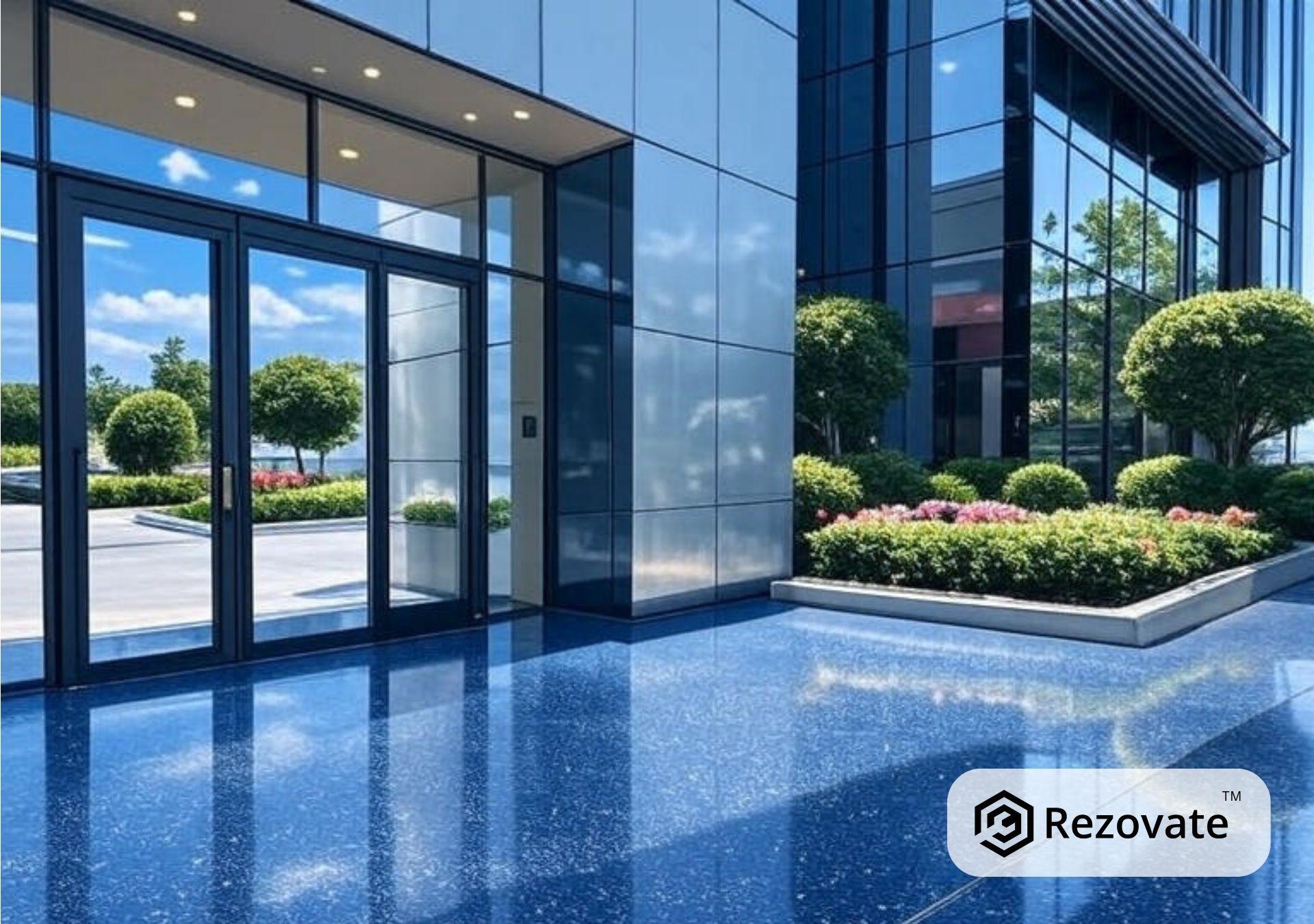
Why Terrazzo?: Ideal for offices, hotels, or public spaces due to its longevity, low maintenance, and ability to cover large areas seamlessly. It withstands heavy traffic and retains a polished look.
Tip: Use thicker pours (10–15 mm) for durability in high-traffic lobbies, and incorporate divider strips for branded designs or logos in corporate spaces.
View ideas for terrazzo flooring for commercial buildings here https://www.rezovate.com/the-drafting-table/terrazzo-flooring-commercial-buildings-ahmedabad
Terrazzo is an ideal option for architects and home owners who need immense creative freedom. Also, if you are someone who is conscious about indoor air quality and sustainability - Terrazzo is THE go-to option for you.


Related Blogs