Client Logo

Our Solutions

Concrete Polishing

Concrete Floor Repair

Odus Flooring

Epoxy Flooring

Epoxy Repair

Terrazo Flooring

Mosaic Flooring

Use Cases

Concrete Floor Repairing

Warehouse Flooring

Plant Flooring

Hyperstore Flooring

Case Studies

Procter & Gamble

Reliance Industries

Hershey’s India

LG

L&T Constructions

Careers

Internships

Jobs

Resources

Blogs

Team Diaries

Purpose and Passion

Our Story

The Drafting Table

Products

Alkali Resistant Flooring

Odus Dust Block

Terrazzo Flooring

Concrete Polishing Chemicals

Colored Concrete

Fast Curing Additives

Our Solutions
Concrete Polishing

Concrete Floor Repair

Odus Flooring

Epoxy Flooring

Epoxy Repair

Terrazo Flooring

Mosaic Flooring

Use Cases
Concrete Floor Repairing

Warehouse Flooring

Plant Flooring

Hyperstore Flooring

Case Studies
Procter & Gamble

Reliance Industries

Hershey’s India

LG

L&T Constructions

Careers
Internships

Jobs

Resources
Blogs

Team Diaries

Purpose and Passion

Our Story

The Drafting Table

Products
Alkali Resistant Flooring

Odus Dust Block

Terrazzo Flooring

Concrete Polishing Chemicals

Colored Concrete

Fast Curing Additives

How Odus Helps Arrest Surface Cracks in Industrial Concrete Floors

Aug 30 • 5 min read

blog_cover

Why this article matters

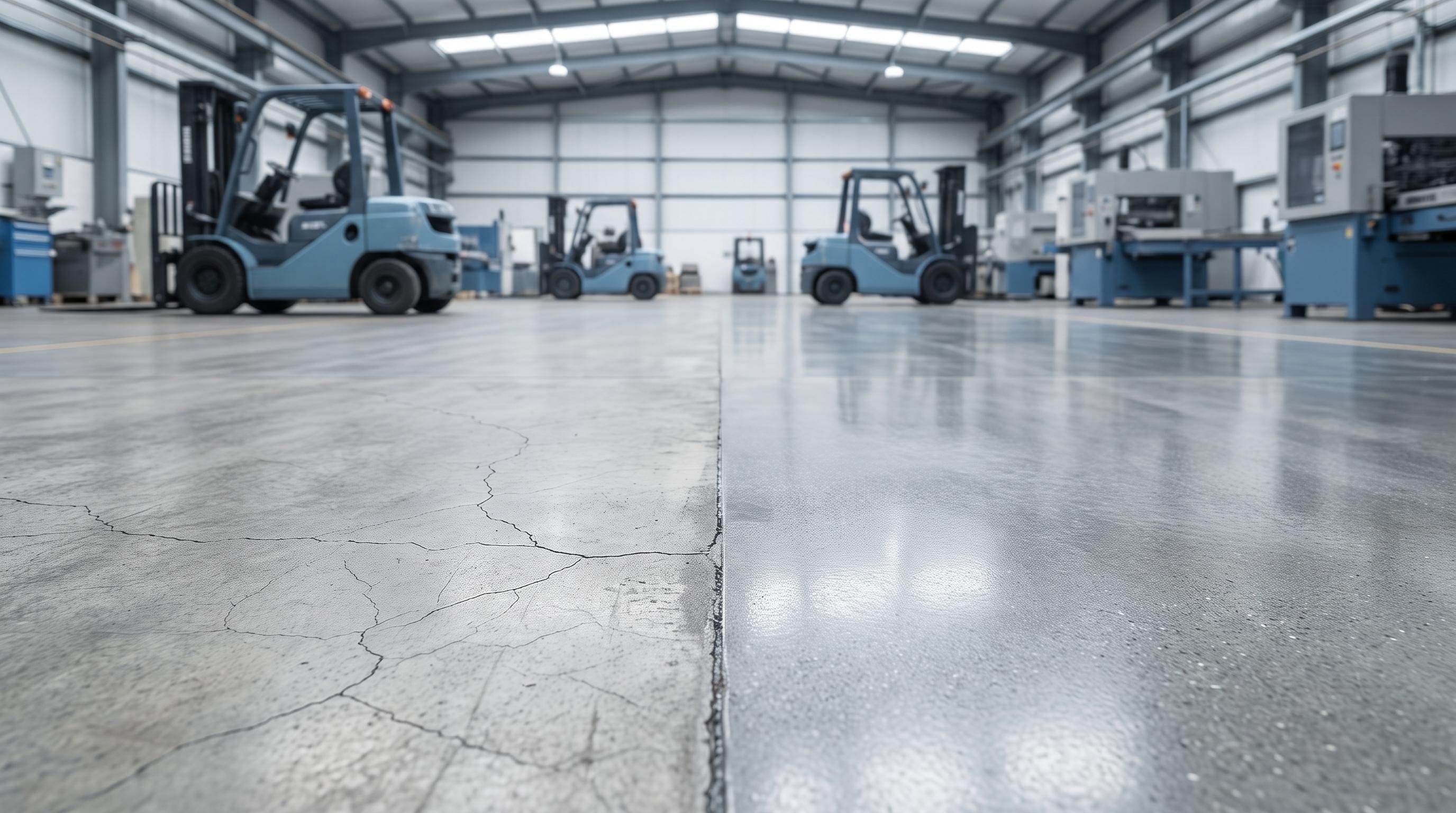
When a consultant says a floor needs to arrest surface cracks, the real concern is not finish alone. The concern is whether the top working layer of the concrete will keep deteriorating under traffic, cleaning, and plant operations.

TL;DR: Odus is better suited than PU topcoats and surface-only densification systems when the concern is long-term surface distress. The main reason is simple: Odus is positioned as strengthening the top concrete layer itself, while the alternatives depend more heavily on a surface treatment or film.

Quick technical summary

Parameter

Typical densification / surface-only polishing

Odus

Treated depth

About 1–2 mm

More than 3 mm

Working principle

Surface-level treatment

Concrete regeneration in the top zone

Surface hardness

No meaningful increase in working-surface Mohs hardness stated here

About 4.5–6.5 Mohs

Published life

About 9–18 months

10+ years

Visible failure pattern

Dullness, loss of effect, crazing risk, faster top-layer erosion

Improved durability of the working surface itself

What Odus is meant to solve

  • Hairline surface cracks

  • Crazing or fine crack networks

  • Dusting after top-layer wear

  • Abrasion-related loss of surface integrity

  • Joint-edge and groove-area erosion

  • Recurring maintenance driven by top-layer deterioration

Odus vs densification: key technical differences

Comparison point

Typical densification / surface-only polishing

Odus

How it works

Acts mainly at the surface by treating or sealing the exposed top layer

Works through concrete regeneration within the top concrete zone

Chemistry used

Typically sodium silicate or lithium silicate

Odus Hardener and Odus Primer

Technology Used

Hydration of Calcium Hydroxide with silicate to form a C-S-H bond

Nanotechnology at work to cause concrete regeneration to increase quality of concrete in the top most layer

Published treated depth

About 1–2 mm

More than 3 mm

Change in Mohs hardness

No meaningful change in working-surface Mohs hardness stated here

Improves to about 4.5–6.5 Mohs

Crazing behavior

Crazing can be observed as an early weak starting point when grinding begins on unprotected concrete

Starts with pre-grinding treatment using Odus Hardener, so crazing is not observed in the same way

Role in surface-crack control

Improves finish, but performance drops as the top layer wears away

Strengthens the exposed top layer where early surface distress begins

Published life

About 9–18 months

10+ years

Why the treated depth matters

  • Surface distress begins in the exposed top working layer of the slab

  • A system acting only at about 1–2 mm loses effectiveness faster as that layer erodes

  • A system acting at more than 3 mm has more working depth before visible breakdown begins

  • This is why Odus is positioned as a crack-control solution, not only a finish solution

Technical parameters that support the Odus case

Parameter

Published figure / meaning

Untreated concrete hardness

Below 3 Mohs

Odus-treated hardness

About 4.5–6.5 Mohs

Published upper hardness range in comparison content

6–8 Mohs

Forklift reference hardness

3.5 Mohs

Published Odus life

10+ years

Published surface-only polishing life

9–18 months

Published PU life under forklift use

1.5–3 years

Published epoxy life under forklift use

9–12 months

Coefficient of friction, dry

0.32

Coefficient of friction, wet

0.29

Minimum threshold referenced for non-slip surface

0.25

What these parameters mean in practice

  • If the floor surface is softer than the abrasion acting on it, the top layer wears faster

  • If the floor surface becomes harder than the abrasion acting on it, the wear rate drops

  • If the top layer stays intact longer, crack visibility and dusting are easier to control

  • If porosity reduces, cleaning and contamination resistance improve

Odus vs PU topcoat

Comparison point

PU topcoat

Odus

How it works

Creates a film on top of the concrete surface

Strengthens the top concrete layer through concrete regeneration

What carries the wear

The coating layer itself

The hardened working surface of the concrete

Response to surface wear

Can wear, dull, peel, or require recoating over time

Improves the surface zone itself, so performance is not dependent on a separate film

Surface crack-control logic

Covers the slab with a protective top layer

Strengthens the exposed top concrete zone where early surface distress begins

Long-term maintenance

Depends on retained bond and condition of the coating

Depends on the performance of the treated concrete surface

Where Odus is strongest in a crack-control conversation

  • Hairline surface cracking

  • Crazing networks

  • Abrasion-exposed top-layer weakness

  • Surface dusting

  • Erosion beginning near joints or grooves

  • Industrial traffic progressively worsening visible surface distress

Case study: IIT Hyderabad

Case-study point

Published project detail

Project context

IIT Hyderabad wanted an exposed-concrete-style floor finish

Condition before Rezovate

Four concrete polishing vendors were already working on the project

Observed failure

Floors developed fine cracks and became dull before inauguration

Rezovate position

Odus offered a similar finish with better durability because of concrete regeneration technology

Published testimonial

“We tried 4 vendors for concrete polishing in IIT Hyderabad but Rezovate gave the best quality within timelines.” — Mr Krishnan Shukla, Finishing Head, L&T Constructions

Case study: P&G reference already in published material

Case-study point

Published project detail

Site

P&G Mandideep

Installation year

2018

Condition referenced in published content

Still in excellent condition as of November 2024, without rework

Technical relevance

Long-term proof that Odus is being positioned on durability, not only finish

What Odus does not do

Limitation

Technical meaning

Does not increase slab compressive strength

Should not be sold as a structural strengthening system

Does not protect against point loads beneath the surface

Should not be positioned as a cure for deep structural movement

Not a substitute for structural correction

If cracking comes from settlement, base movement, or slab design failure, those causes still need correction

Questions a technical reader should ask before choosing between PU, densification, and Odus

  • Is the main issue appearance, or long-term surface integrity?

  • Is the slab already showing early signs of crazing, dusting, or cracking?

  • Will future recoating cycles be acceptable from a shutdown standpoint?

  • Is the system protecting a film, or strengthening the concrete itself?

  • Are the observed cracks surface-level, or is there evidence of deeper structural movement?

Consultant-facing conclusion

If the goal is…

The better-fit logic is…

Cover the surface for appearance

A topcoat or surface-only treatment may be considered

Arrest progression of surface distress

Strengthen the working surface of the concrete itself

Reduce the risk of recurring surface deterioration

Choose a system positioned on working-surface durability, not only finish

In short, if the concern is long-term arrest of surface-level distress, Odus is more technically aligned than a PU topcoat or a surface-only densification system.

Frequently asked questions

Is Odus just another densification treatment?

No. It is positioned here as a concrete regeneration system working within the top layer of concrete, not only as a surface-only treatment.

Can Odus help when the concern is surface cracks?

Yes, when the concern is surface-level distress. It is positioned as strengthening the top concrete layer where early deterioration begins.

Does Odus replace structural repair?

No. It should not be positioned as a solution for deep structural cracks, settlement, sub-base movement, or slab design issues.

Why not use PU if movement is not very heavy?

Because traffic intensity is only one variable. The better question is whether the project wants a film on the slab or a stronger working surface in the slab.

Our Clients

Hershey's
L&T Construction
LG
P&G
Yanjan
Eicher
Reliance
Icon

India's Best Industrial and Commercial Flooring Solution Provider

Trusted by 200+ clients. We provide flooring services and supply products for all sorts of Industrial flooring. Call us at +917869964996 or share contact details by filling the form below:

Related Blogs

Elements of Construction: Terrazzo

Elements of Construction: Terrazzo

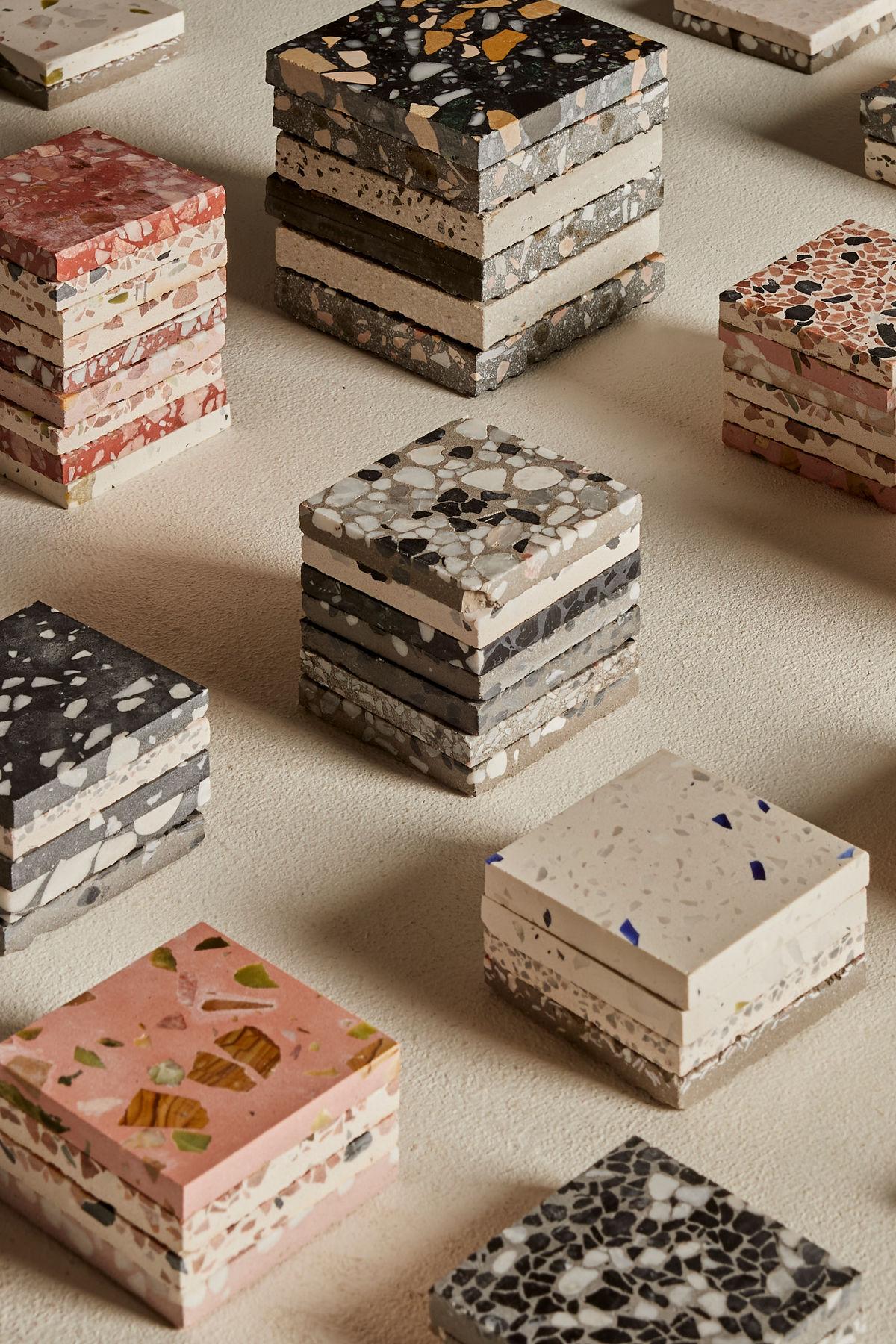
Terrazzo began as a practical solution—an inventive way to reuse stone fragments—and evolved into one of architecture’s most enduring finishes. From ancient pavements to Venetian craftsmanship and modern public landmarks, terrazzo’s story is one of sustainability, durability, and timeless design.

Dec 16,2025

2 min

Elements of Construction: Duct Tape

Elements of Construction: Duct Tape

Duct tape wasn’t meant to be iconic. It was meant to solve a problem. Born out of necessity during wartime, it quietly went on to become one of the most relied-upon materials on construction sites everywhere, proof that the simplest ideas often leave the biggest impact.

Dec 16,2025

2 min

Elements of Construction: Teflon

Elements of Construction: Teflon

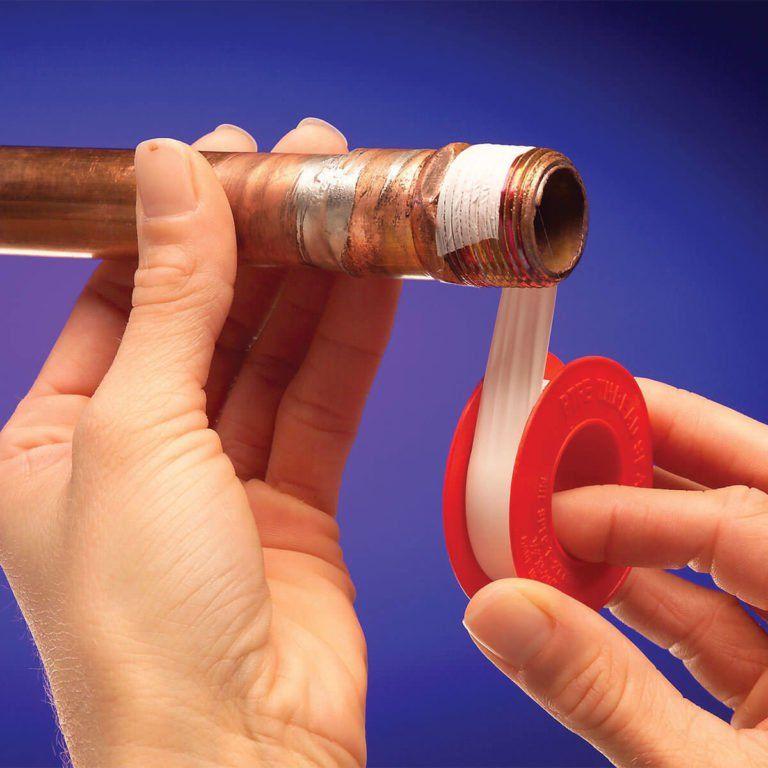
Teflon was never meant for buildings. Discovered by accident while searching for a safer refrigerant gas, its refusal to react with almost anything turned it into one of construction’s underrated materials—protecting structures from corrosion, heat and damage.

Jan 21,2026

2 min

Why is India a Hotspot for Global Investors?

Why is India a Hotspot for Global Investors?

India ranks 5th globally, with 6.8% GDP growth, vast market, young population, UPI leadership, reforms, and 100% FDI in most sectors—making it a prime investment hotspot.

Feb 25,2026

8 min

Elements of Construction: Paints

Elements of Construction: Paints

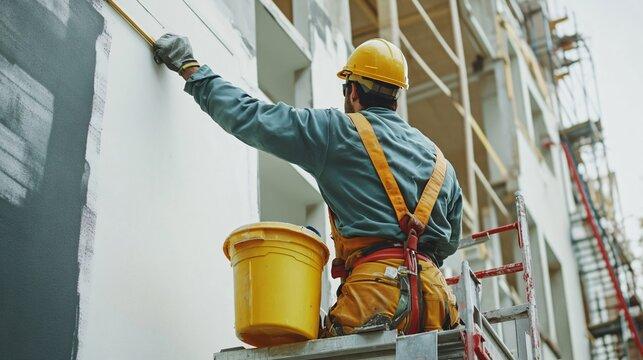
Historically, wall colors from natural pigments like ultramarine (from lapis lazuli), lead white, mercury vermilion, and arsenic green were luxurious but highly toxic, involving dangerous mining, trade, and application that poisoned artisans. Paint was a labor-intensive process driven by experience, not safety. The Industrial Revolution brought synthetic pigments, making paint safe, scalable, and functional—protecting buildings from corrosion, fire, and weathering. Modern architecture benefits from engineered coatings, but today's safe colors echo a violent past of risk and human sacrifice.

Jan 06,2026

2 min

Elements of Construction: Plywood

Elements of Construction: Plywood

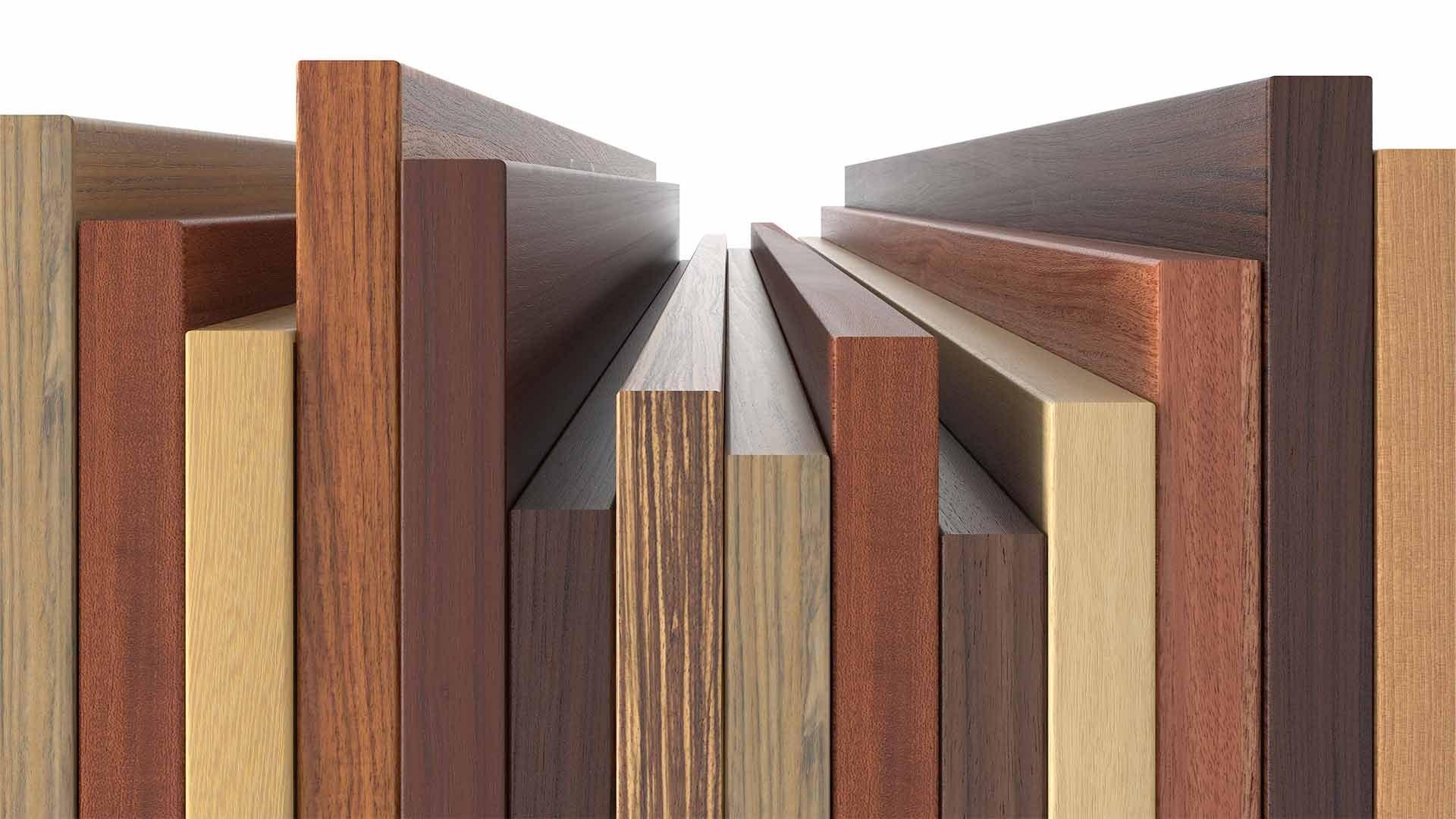
Plywood may seem like a modern construction staple, but its origins stretch back thousands of years. What began as an ancient technique of layering veneers for stability evolved through industrial innovation into a lightweight, high-strength material. Its true breakthrough came during World War I, where its speed, durability, and strength-to-weight ratio made it indispensable for aircraft and rapid construction—cementing plywood’s place as a foundational material of modern building.

Dec 16,2025

2 min

Elements of Construction: Terrazzo

Elements of Construction: Terrazzo

Terrazzo began as a practical solution—an inventive way to reuse stone fragments—and evolved into one of architecture’s most enduring finishes. From ancient pavements to Venetian craftsmanship and modern public landmarks, terrazzo’s story is one of sustainability, durability, and timeless design.

Dec 16,2025

2 min

Elements of Construction: Duct Tape

Elements of Construction: Duct Tape

Duct tape wasn’t meant to be iconic. It was meant to solve a problem. Born out of necessity during wartime, it quietly went on to become one of the most relied-upon materials on construction sites everywhere, proof that the simplest ideas often leave the biggest impact.

Dec 16,2025

2 min

Elements of Construction: Teflon

Elements of Construction: Teflon

Teflon was never meant for buildings. Discovered by accident while searching for a safer refrigerant gas, its refusal to react with almost anything turned it into one of construction’s underrated materials—protecting structures from corrosion, heat and damage.

Jan 21,2026

2 min

Why is India a Hotspot for Global Investors?

Why is India a Hotspot for Global Investors?

India ranks 5th globally, with 6.8% GDP growth, vast market, young population, UPI leadership, reforms, and 100% FDI in most sectors—making it a prime investment hotspot.

Feb 25,2026

8 min

Elements of Construction: Paints

Elements of Construction: Paints

Historically, wall colors from natural pigments like ultramarine (from lapis lazuli), lead white, mercury vermilion, and arsenic green were luxurious but highly toxic, involving dangerous mining, trade, and application that poisoned artisans. Paint was a labor-intensive process driven by experience, not safety. The Industrial Revolution brought synthetic pigments, making paint safe, scalable, and functional—protecting buildings from corrosion, fire, and weathering. Modern architecture benefits from engineered coatings, but today's safe colors echo a violent past of risk and human sacrifice.

Jan 06,2026

2 min

Elements of Construction: Plywood

Elements of Construction: Plywood

Plywood may seem like a modern construction staple, but its origins stretch back thousands of years. What began as an ancient technique of layering veneers for stability evolved through industrial innovation into a lightweight, high-strength material. Its true breakthrough came during World War I, where its speed, durability, and strength-to-weight ratio made it indispensable for aircraft and rapid construction—cementing plywood’s place as a foundational material of modern building.

Dec 16,2025

2 min

Elements of Construction: Terrazzo

Elements of Construction: Terrazzo

Terrazzo began as a practical solution—an inventive way to reuse stone fragments—and evolved into one of architecture’s most enduring finishes. From ancient pavements to Venetian craftsmanship and modern public landmarks, terrazzo’s story is one of sustainability, durability, and timeless design.

Dec 16,2025

2 min

Elements of Construction: Duct Tape

Elements of Construction: Duct Tape

Duct tape wasn’t meant to be iconic. It was meant to solve a problem. Born out of necessity during wartime, it quietly went on to become one of the most relied-upon materials on construction sites everywhere, proof that the simplest ideas often leave the biggest impact.

Dec 16,2025

2 min

Elements of Construction: Teflon

Elements of Construction: Teflon

Teflon was never meant for buildings. Discovered by accident while searching for a safer refrigerant gas, its refusal to react with almost anything turned it into one of construction’s underrated materials—protecting structures from corrosion, heat and damage.

Jan 21,2026

2 min