Client Logo

Our Solutions

Concrete Polishing

Concrete Floor Repair

Odus Flooring

Epoxy Flooring

Epoxy Repair

Terrazo Flooring

Mosaic Flooring

Use Cases

Concrete Floor Repairing

Warehouse Flooring

Plant Flooring

Hyperstore Flooring

Case Studies

Procter & Gamble

Reliance Industries

Hershey’s India

LG

L&T Constructions

Careers

Internships

Jobs

Resources

Blogs

Team Diaries

Purpose and Passion

Our Story

The Drafting Table

Products

Alkali Resistant Flooring

Odus Dust Block

Terrazzo Flooring

Concrete Polishing Chemicals

Colored Concrete

Fast Curing Additives

Our Solutions
Concrete Polishing

Concrete Floor Repair

Odus Flooring

Epoxy Flooring

Epoxy Repair

Terrazo Flooring

Mosaic Flooring

Use Cases
Concrete Floor Repairing

Warehouse Flooring

Plant Flooring

Hyperstore Flooring

Case Studies
Procter & Gamble

Reliance Industries

Hershey’s India

LG

L&T Constructions

Careers
Internships

Jobs

Resources
Blogs

Team Diaries

Purpose and Passion

Our Story

The Drafting Table

Products
Alkali Resistant Flooring

Odus Dust Block

Terrazzo Flooring

Concrete Polishing Chemicals

Colored Concrete

Fast Curing Additives

Elements of Construction: Roman Concrete

Dec 16 • 3 min read

blog_cover

From a volcanic shore in Italy to a small kiln in nineteenth century Leeds, the story of cement is a story of people learning, trying, failing, and trying again. Cement is one of the strongest and most affordable building materials ever made. It quietly connects the ancient world to the modern one, linking Roman harbors to today’s cities of glass and steel.

The story begins more than two thousand years ago in ancient Rome. At that time, builders used basic lime mixtures to hold stones together. These mixtures looked solid at first, but rain and seawater slowly washed them away. For the Romans, who wanted buildings to last forever, this was a serious problem.

The solution came from nature. The land around Rome was shaped by volcanoes and covered in fine ash. The Romans noticed that when this volcanic ash was mixed with lime and water, the result was very different from normal mortar. Instead of breaking down in water, it became harder over time. This discovery led to what we now call Roman concrete.

Roman concrete was made from simple materials but mixed with great care. Limestone was heated in kilns to create lime. Water was added to turn it into a thick paste. Then volcanic ash, known today as pozzolana, was mixed in. This ash caused a chemical reaction that allowed Roman concrete to harden even under water. To make it stronger and more stable, the Romans added pieces of stone, volcanic rock, or broken pottery.

Roman builders followed a clear process. They mixed the lime, ash, and water first, then added the stone pieces. The wet Roman concrete was poured into wooden molds or packed between stone walls. In harbors and ports, they often poured the mixture directly into the sea. Over time, the concrete slowly hardened and became incredibly strong. This allowed the Romans to build long lasting harbors, water channels, and massive buildings.
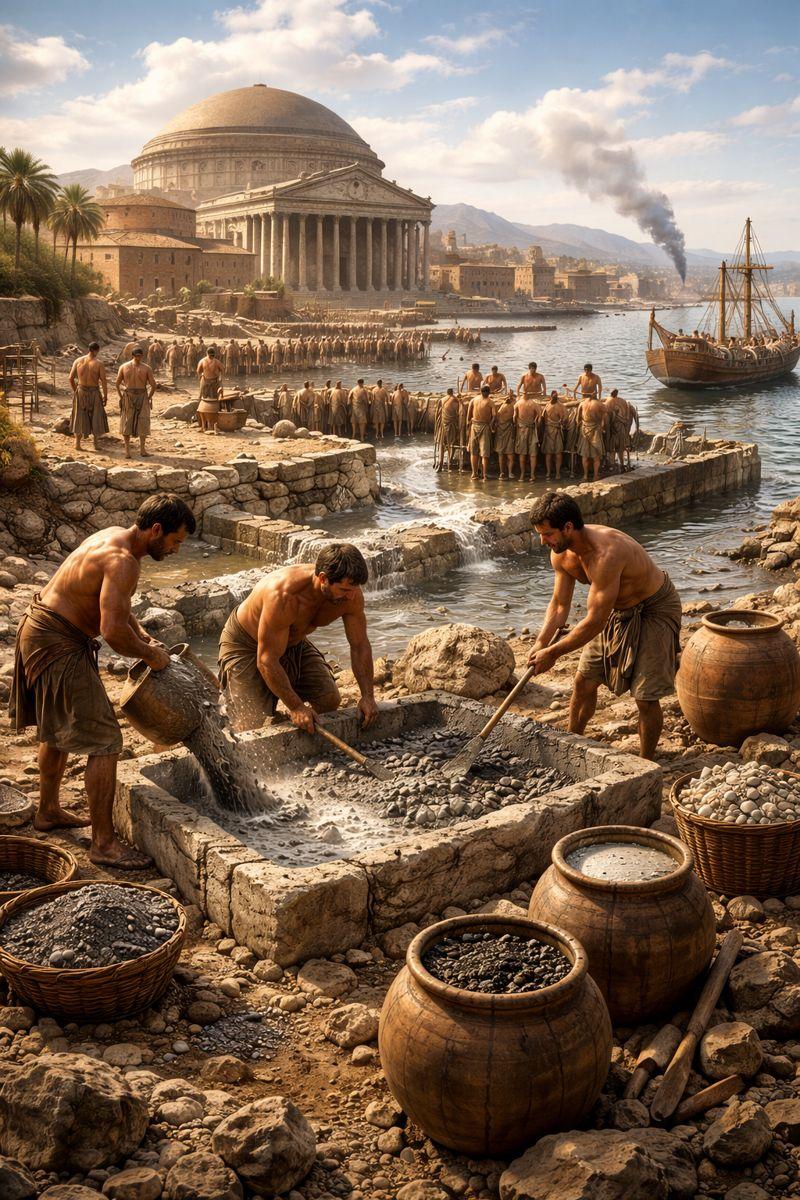
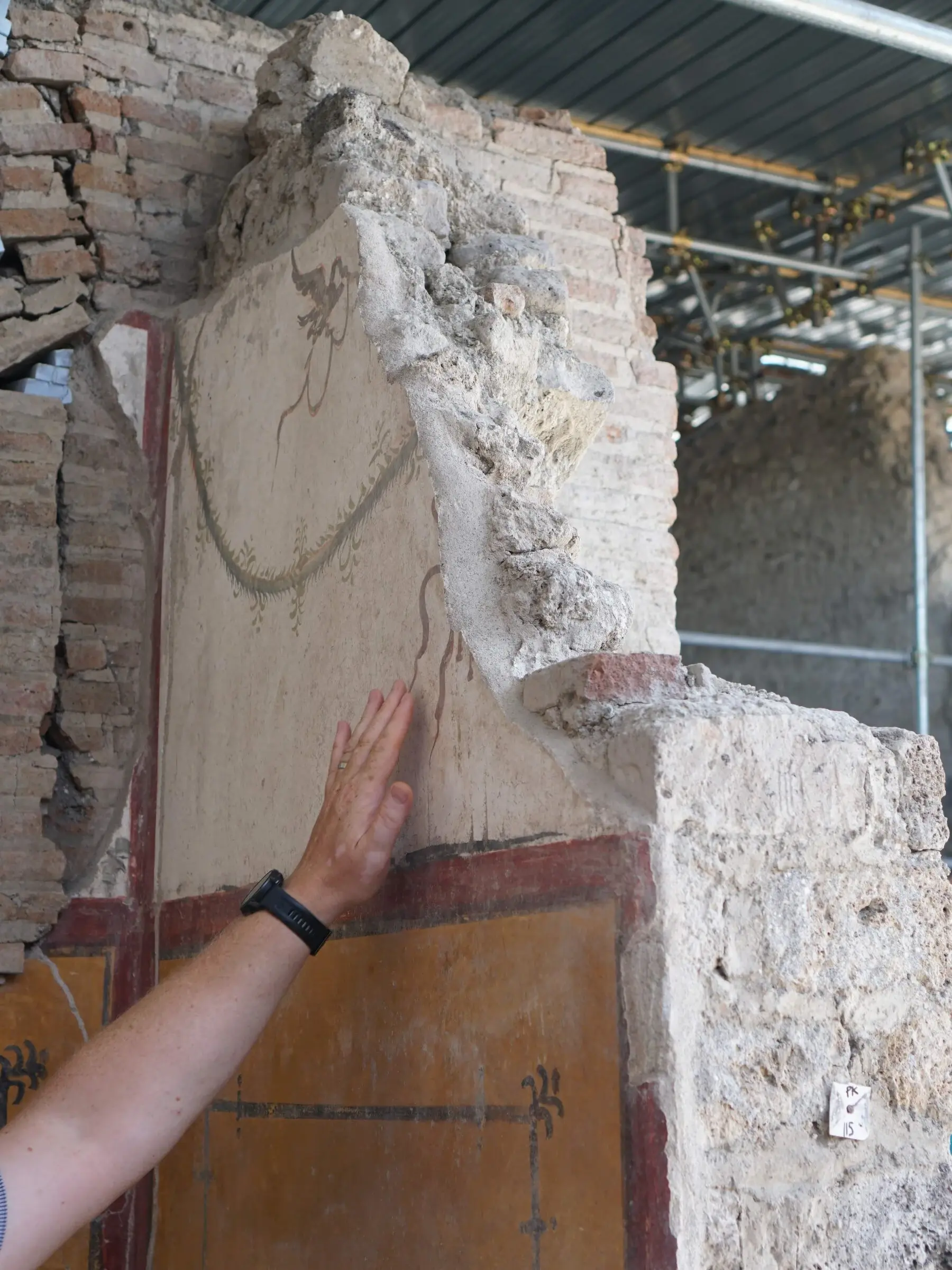
One of the best examples of Roman concrete is the Pantheon, completed around 128 CE. Its huge concrete dome has no steel inside it, yet it has survived earthquakes, fires, and nearly two thousand years of weather. Even today, it remains the largest unreinforced concrete dome in the world. The Romans did not just use concrete. They understood it deeply.

After the Roman Empire fell, this knowledge slowly disappeared. Builders across Europe no longer knew how to make Roman concrete. For more than a thousand years, construction relied on weaker materials that cracked and failed in damp conditions. Roman ruins still stood tall, but no one knew how to recreate their strength. The secret of concrete that could harden under water was lost.

The search began again during the Industrial Revolution. Growing cities needed strong materials for canals, bridges, docks, and factories. Engineers studied old Roman structures and started experimenting with new mixtures.

In England, a bricklayer named Joseph Aspdin played an important role. He was not a scientist, but he wanted to make a better building material. By carefully grinding limestone and clay, heating them in a kiln, and crushing the hardened result into powder, he created a new type of cement. In 1824, he patented it and named it Portland cement because it looked like a popular building stone used in England.

This cement was good, but later builders found a way to make it even better. They discovered that heating the raw materials at much higher temperatures caused them to fuse into hard lumps called clinker. When this clinker was ground into fine powder, it produced a very strong and reliable cement. This became the basis of modern Portland cement.

Today’s cement is made in large factories, but the idea behind it is ancient. Modern concrete still follows the same basic principles first seen in Roman concrete, using chemical reactions to create strength and durability. Roads, bridges, towers, and homes around the world owe their existence to discoveries made on volcanic shores thousands of years ago.

The story of cement is not just about stone and ash. It is about people observing the world around them and learning how to build things that last.


Our Clients

Hershey's
L&T Construction
LG
P&G
Yanjan
Eicher
Reliance
Icon

India's Best Industrial and Commercial Flooring Solution Provider

Trusted by 200+ clients. We provide flooring services and supply products for all sorts of Industrial flooring. Call us at +917869964996 or share contact details by filling the form below:

Related Blogs

Elements of Construction: Terrazzo

Elements of Construction: Terrazzo

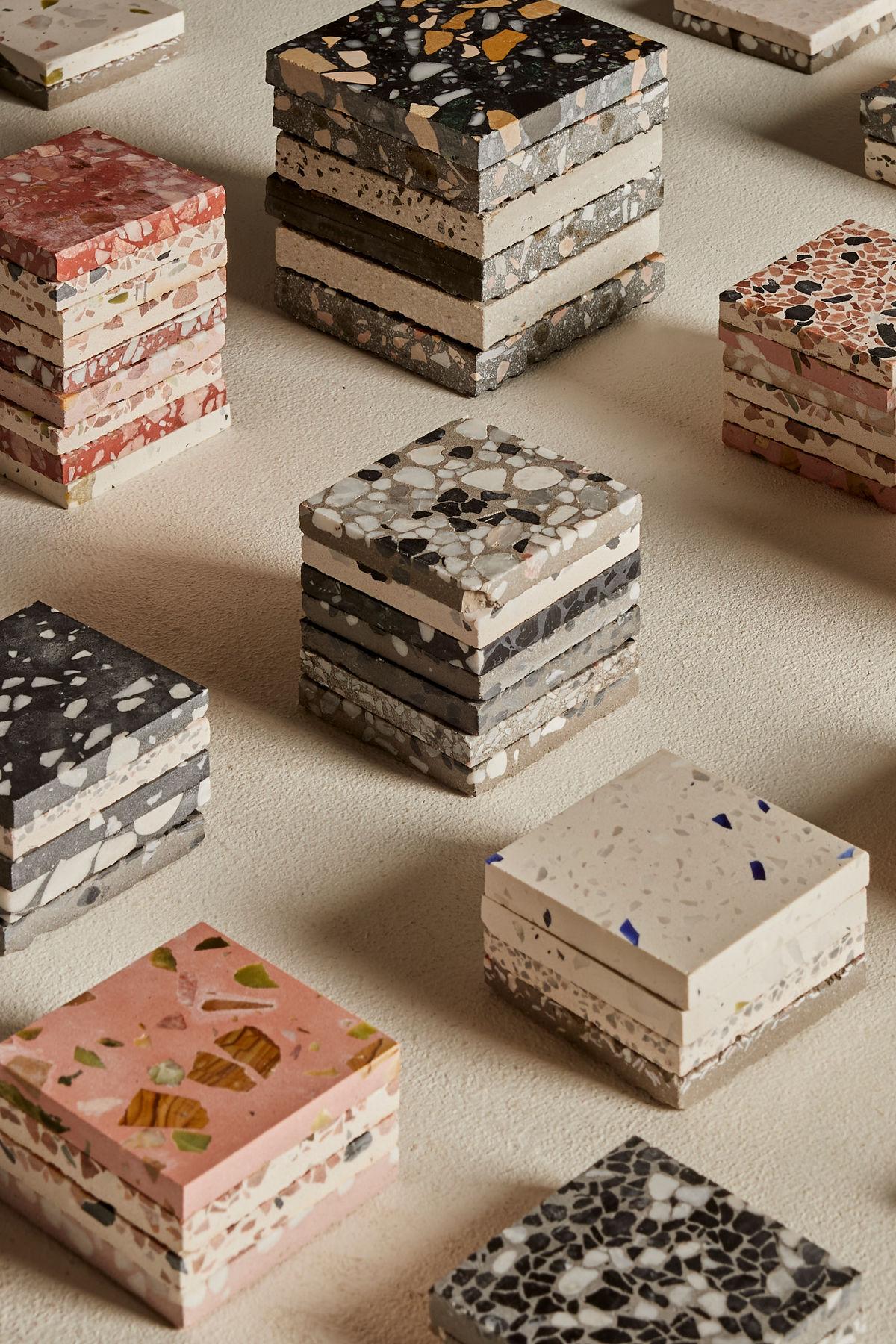
Terrazzo began as a practical solution—an inventive way to reuse stone fragments—and evolved into one of architecture’s most enduring finishes. From ancient pavements to Venetian craftsmanship and modern public landmarks, terrazzo’s story is one of sustainability, durability, and timeless design.

Dec 16,2025

2 min

Elements of Construction: Duct Tape

Elements of Construction: Duct Tape

Duct tape wasn’t meant to be iconic. It was meant to solve a problem. Born out of necessity during wartime, it quietly went on to become one of the most relied-upon materials on construction sites everywhere, proof that the simplest ideas often leave the biggest impact.

Dec 16,2025

2 min

Elements of Construction: Teflon

Elements of Construction: Teflon

Teflon was never meant for buildings. Discovered by accident while searching for a safer refrigerant gas, its refusal to react with almost anything turned it into one of construction’s underrated materials—protecting structures from corrosion, heat and damage.

Jan 21,2026

2 min

Why is India a Hotspot for Global Investors?

Why is India a Hotspot for Global Investors?

India ranks 5th globally, with 6.8% GDP growth, vast market, young population, UPI leadership, reforms, and 100% FDI in most sectors—making it a prime investment hotspot.

Feb 25,2026

8 min

Elements of Construction: Paints

Elements of Construction: Paints

Historically, wall colors from natural pigments like ultramarine (from lapis lazuli), lead white, mercury vermilion, and arsenic green were luxurious but highly toxic, involving dangerous mining, trade, and application that poisoned artisans. Paint was a labor-intensive process driven by experience, not safety. The Industrial Revolution brought synthetic pigments, making paint safe, scalable, and functional—protecting buildings from corrosion, fire, and weathering. Modern architecture benefits from engineered coatings, but today's safe colors echo a violent past of risk and human sacrifice.

Jan 06,2026

2 min

Elements of Construction: Plywood

Elements of Construction: Plywood

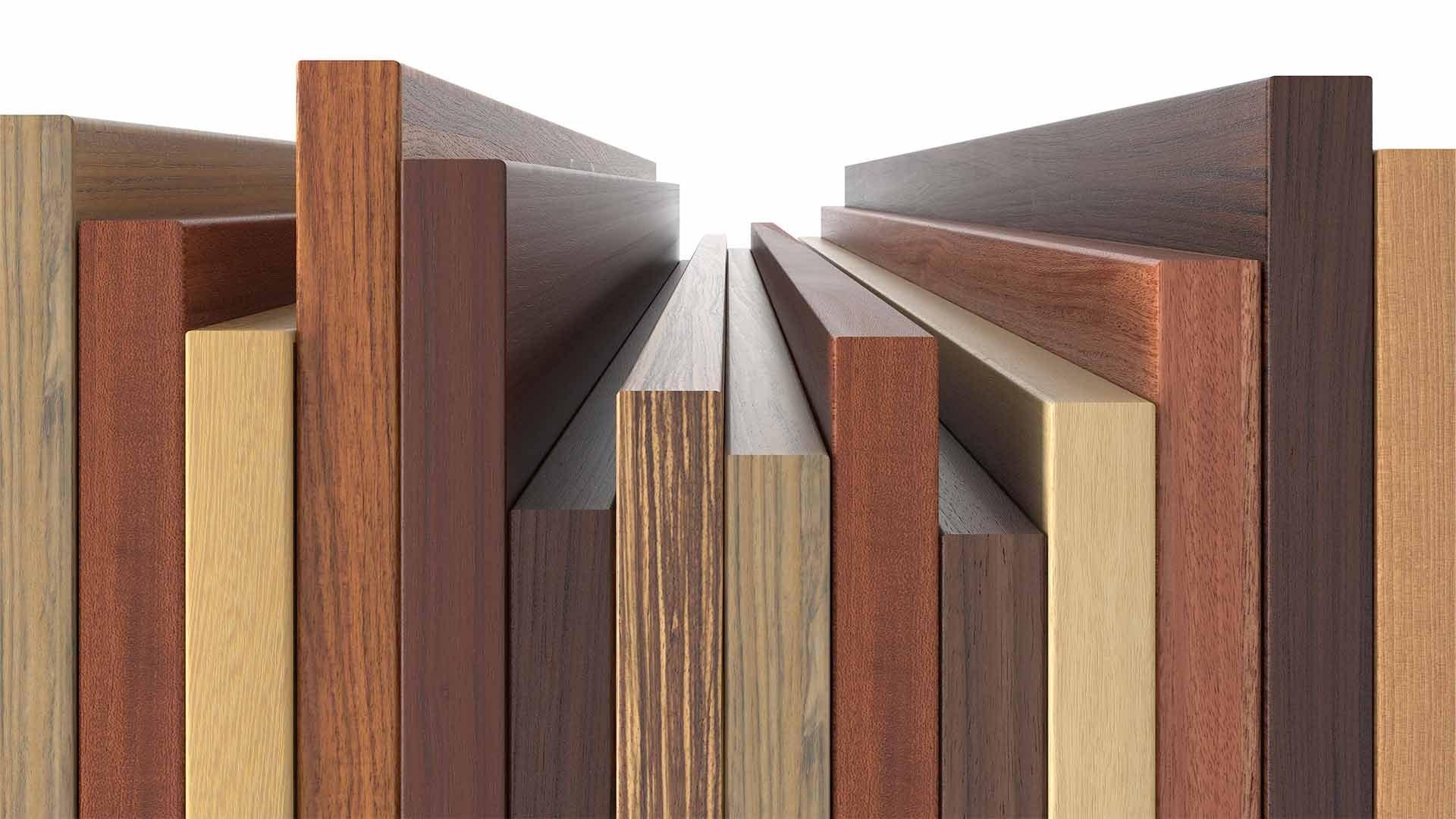
Plywood may seem like a modern construction staple, but its origins stretch back thousands of years. What began as an ancient technique of layering veneers for stability evolved through industrial innovation into a lightweight, high-strength material. Its true breakthrough came during World War I, where its speed, durability, and strength-to-weight ratio made it indispensable for aircraft and rapid construction—cementing plywood’s place as a foundational material of modern building.

Dec 16,2025

2 min

Elements of Construction: Terrazzo

Elements of Construction: Terrazzo

Terrazzo began as a practical solution—an inventive way to reuse stone fragments—and evolved into one of architecture’s most enduring finishes. From ancient pavements to Venetian craftsmanship and modern public landmarks, terrazzo’s story is one of sustainability, durability, and timeless design.

Dec 16,2025

2 min

Elements of Construction: Duct Tape

Elements of Construction: Duct Tape

Duct tape wasn’t meant to be iconic. It was meant to solve a problem. Born out of necessity during wartime, it quietly went on to become one of the most relied-upon materials on construction sites everywhere, proof that the simplest ideas often leave the biggest impact.

Dec 16,2025

2 min

Elements of Construction: Teflon

Elements of Construction: Teflon

Teflon was never meant for buildings. Discovered by accident while searching for a safer refrigerant gas, its refusal to react with almost anything turned it into one of construction’s underrated materials—protecting structures from corrosion, heat and damage.

Jan 21,2026

2 min

Why is India a Hotspot for Global Investors?

Why is India a Hotspot for Global Investors?

India ranks 5th globally, with 6.8% GDP growth, vast market, young population, UPI leadership, reforms, and 100% FDI in most sectors—making it a prime investment hotspot.

Feb 25,2026

8 min

Elements of Construction: Paints

Elements of Construction: Paints

Historically, wall colors from natural pigments like ultramarine (from lapis lazuli), lead white, mercury vermilion, and arsenic green were luxurious but highly toxic, involving dangerous mining, trade, and application that poisoned artisans. Paint was a labor-intensive process driven by experience, not safety. The Industrial Revolution brought synthetic pigments, making paint safe, scalable, and functional—protecting buildings from corrosion, fire, and weathering. Modern architecture benefits from engineered coatings, but today's safe colors echo a violent past of risk and human sacrifice.

Jan 06,2026

2 min

Elements of Construction: Plywood

Elements of Construction: Plywood

Plywood may seem like a modern construction staple, but its origins stretch back thousands of years. What began as an ancient technique of layering veneers for stability evolved through industrial innovation into a lightweight, high-strength material. Its true breakthrough came during World War I, where its speed, durability, and strength-to-weight ratio made it indispensable for aircraft and rapid construction—cementing plywood’s place as a foundational material of modern building.

Dec 16,2025

2 min

Elements of Construction: Terrazzo

Elements of Construction: Terrazzo

Terrazzo began as a practical solution—an inventive way to reuse stone fragments—and evolved into one of architecture’s most enduring finishes. From ancient pavements to Venetian craftsmanship and modern public landmarks, terrazzo’s story is one of sustainability, durability, and timeless design.

Dec 16,2025

2 min

Elements of Construction: Duct Tape

Elements of Construction: Duct Tape

Duct tape wasn’t meant to be iconic. It was meant to solve a problem. Born out of necessity during wartime, it quietly went on to become one of the most relied-upon materials on construction sites everywhere, proof that the simplest ideas often leave the biggest impact.

Dec 16,2025

2 min

Elements of Construction: Teflon

Elements of Construction: Teflon

Teflon was never meant for buildings. Discovered by accident while searching for a safer refrigerant gas, its refusal to react with almost anything turned it into one of construction’s underrated materials—protecting structures from corrosion, heat and damage.

Jan 21,2026

2 min