Client Logo

Our Solutions

Concrete Polishing

Concrete Floor Repair

Odus Flooring

Epoxy Flooring

Epoxy Repair

Terrazo Flooring

Mosaic Flooring

Use Cases

Concrete Floor Repairing

Warehouse Flooring

Plant Flooring

Hyperstore Flooring

Case Studies

Procter & Gamble

Reliance Industries

Hershey’s India

LG

L&T Constructions

Careers

Internships

Jobs

Resources

Blogs

Team Diaries

Purpose and Passion

Our Story

The Drafting Table

Products

Alkali Resistant Flooring

Odus Dust Block

Terrazzo Flooring

Concrete Polishing Chemicals

Colored Concrete

Fast Curing Additives

Our Solutions
Concrete Polishing

Concrete Floor Repair

Odus Flooring

Epoxy Flooring

Epoxy Repair

Terrazo Flooring

Mosaic Flooring

Use Cases
Concrete Floor Repairing

Warehouse Flooring

Plant Flooring

Hyperstore Flooring

Case Studies
Procter & Gamble

Reliance Industries

Hershey’s India

LG

L&T Constructions

Careers
Internships

Jobs

Resources
Blogs

Team Diaries

Purpose and Passion

Our Story

The Drafting Table

Products
Alkali Resistant Flooring

Odus Dust Block

Terrazzo Flooring

Concrete Polishing Chemicals

Colored Concrete

Fast Curing Additives

What is AS9100? Aerospace Quality Management Standard

Apr 23 • 5 min read

blog_cover

AS9100 is the international Quality Management System (QMS) standard for the aerospace, aviation, space, and defense industries. Built on ISO 9001:2015, it includes additional requirements for safety, reliability, and regulatory compliance. This guide explains AS9100’s purpose, history, importance, and how to achieve certification.

What is AS9100?

Definition and Purpose

AS9100, developed by the International Aerospace Quality Group (IAQG), is a QMS standard that enhances ISO 9001:2015 with aerospace-specific requirements. It ensures organizations deliver safe, reliable products and services in aviation, space, and defense sectors, addressing critical areas like product safety and counterfeit parts prevention.

Seven Quality Management Principles

AS9100 is built on the same seven principles as ISO 9001:2015:

  1. Customer Focus: Prioritize customer needs and satisfaction.

  2. Leadership: Engage top management to drive QMS success.

  3. Engagement of People: Empower employees to contribute to quality.

  4. Process Approach: Manage interrelated processes for consistency.

  5. Improvement: Pursue continuous improvement.

  6. Evidence-Based Decision Making: Use data to inform decisions.

  7. Relationship Management: Optimize supplier and stakeholder partnerships.

How Was AS9100 Created?

The IAQG, comprising global aerospace companies (e.g., Boeing, Airbus, Lockheed Martin), created AS9100 to standardize quality across the industry. It incorporates all ISO 9001:2015 requirements and adds aerospace-specific clauses for:

  • Counterfeit parts prevention (Clause 8.1.4).

  • Product safety (Clause 8.1.3).

  • Configuration management (Clause 8.1.2).

  • Supplier control (Clause 8.4).

The latest version, AS9100D, was released on September 20, 2016, aligning with ISO 9001:2015’s Annex SL structure.

AS9100 Release History

  • 1999: AS9100, based on ISO 9001:1994.

  • 2001: AS9100A, aligned with ISO 9001:2000, included transitional QMS options.

  • 2004: AS9100B, further aligned with ISO 9001:2000.

  • 2009: AS9100C, based on ISO 9001:2008.

  • 2016: AS9100D, incorporating ISO 9001:2015 and aerospace enhancements.

Is AS9100 an International Standard?

Yes, AS9100 is an international standard, recognized in over 170 countries. Developed by the IAQG’s global members, it leverages ISO 9001’s worldwide acceptance and is adopted by over 20,000 organizations, per IAQG data.

Why is AS9100 Important? Benefits and Impact

AS9100 is critical for aerospace organizations, ensuring quality, safety, and compliance. Benefits include:

  • Customer Trust: Demonstrates commitment to aerospace standards, often required by clients like Boeing or Airbus.

  • Improved Quality: Enhances product reliability and reduces defects.

  • Regulatory Compliance: Meets aviation, space, and defense regulations (e.g., FAA, EASA).

  • Market Visibility: Certification is registered in the IAQG’s Online Aerospace Supplier Information System (OASIS) database, a public platform for certified suppliers.

  • Supply Chain Reliability: Strengthens supplier controls and risk management.

What is an AS9100 Audit?

An AS9100 audit verifies QMS compliance with AS9100D requirements. Auditors, trained in AS9100, collect evidence through:

  • Interviews: Engage staff on processes and roles.

  • Observations: Assess operations (e.g., production, supplier checks).

  • Documentation Review: Examine records, procedures, and policies.

Types:

  • Internal Audits: Evaluate internal processes for readiness.

  • Third-Party Audits: Conducted by accredited certification bodies for certification.

Audits focus on aerospace-specific areas like counterfeit parts, product safety, and configuration management.

What is AS9100 Certification?

AS9100 certification is third-party verification that a QMS meets AS9100D requirements. Issued by accredited certification bodies (e.g., DNV, Bureau Veritas), it:

  • Proves compliance to customers and regulators.

  • Reduces the need for individual customer audits.

  • Enhances credibility via OASIS registration.

Certificates are valid for 3 years, with annual surveillance audits and recertification audits thereafter.

How to Achieve AS9100 Certification: Step-by-Step Guide

Achieving AS9100D certification typically takes 6–18 months, depending on company size, complexity, and existing QMS. Follow these actionable steps:

Step 1: Understand AS9100D Requirements

  • Obtain AS9100D from SAE International or IAQG.

  • Study clauses 4–10, focusing on aerospace additions (e.g., Clause 8.1.4 for counterfeit parts).

  • Train key staff via IAQG or ASQ courses.

  • Tip: Use the IAQG’s AS9100D checklist.

Step 2: Conduct a Gap Analysis

  • Audit current QMS against AS9100D, focusing on aerospace requirements (e.g., product safety).

  • Document gaps (e.g., missing supplier controls).

  • Create a gap analysis report.

  • Tip: Use SAE’s gap analysis tool. Allow 1–2 months.

Step 3: Develop an Implementation Plan

  • Form a project team (quality, engineering, operations).

  • Set a 6–18-month timeline with milestones.

  • Budget for training ($1,000–$5,000), consultants ($5,000–$20,000), and audits ($10,000–$50,000).

  • Assign tasks (e.g., develop counterfeit parts procedures).

  • Tip: Use Trello or Microsoft Project.

Step 4: Design and Document the QMS

  • Create mandatory documents: quality policy, objectives, scope, procedures (e.g., nonconformity, audits).

  • Address aerospace requirements: counterfeit parts prevention, product safety, configuration management.

  • Use digital QMS platforms (e.g., Qualio) for version control.

  • Tip: Leverage IAQG templates. Allow 2–4 months.

Step 5: Implement the QMS

  • Train employees on AS9100D and new procedures.

  • Integrate processes into operations (e.g., supplier audits).

  • Collect records (e.g., training logs, risk assessments).

  • Tip: Operate for 3 months to gather evidence.

Step 6: Conduct Internal Audits

  • Train auditors via IAQG courses.

  • Audit all processes, focusing on aerospace clauses.

  • Document nonconformities and corrective actions.

  • Tip: Schedule over 1–2 weeks.

Step 7: Perform Management Review

  • Hold a meeting to review audit results, customer feedback, and QMS performance.

  • Approve corrective actions and document minutes.

  • Tip: Use an AS9100D checklist.

Step 8: Select an Accredited Certification Body

  • Choose a body accredited by ANAB or UKAS (e.g., TÜV SÜD).

  • Request quotes and schedule audits.

  • Register with OASIS.

  • Tip: Check IAQG’s OASIS portal.

Step 9: Stage 1 Audit (Documentation Review)

  • Submit QMS documents to auditors.

  • Address minor nonconformities.

  • Tip: Organize documents digitally. Takes 1–2 days.

Step 10: Stage 2 Audit (Implementation Review)

  • Host auditors for a 2–5-day on-site audit.

  • Demonstrate compliance (e.g., counterfeit parts prevention).

  • Resolve major nonconformities within 60–90 days.

  • Tip: Conduct a mock audit.

Step 11: Achieve and Maintain Certification

  • Receive a 3-year certificate and register in OASIS.

  • Plan annual surveillance audits and recertification.

  • Tip: Set reminders for audits.

Costs: $18,000–$85,000, depending on company size and scope.

AS9100C vs. AS9100D

  • AS9100C (2009): Based on ISO 9001:2008.

  • AS9100D (2016): Based on ISO 9001:2015, with Annex SL structure.

AS9100D Additions:

  • Risk-based thinking (Clause 6.1).

  • Counterfeit parts prevention (Clause 8.1.4).

  • Product safety (Clause 8.1.3).

  • Human factors in nonconformities (Clause 10.2).

Conclusion

AS9100D is a vital standard for aerospace organizations, ensuring quality, safety, and compliance. By building on ISO 9001:2015 and adding aerospace-specific requirements, it helps suppliers meet stringent industry demands. Certification, achieved through a structured 6–18-month process, enhances credibility, visibility in the OASIS database, and customer trust, making it a valuable asset in the aerospace sector.

Our Clients

Hershey's
L&T Construction
LG
P&G
Yanjan
Eicher
Reliance
Icon

India's Best Industrial and Commercial Flooring Solution Provider

Trusted by 200+ clients. We provide flooring services and supply products for all sorts of Industrial flooring. Call us at +917869964996 or share contact details by filling the form below:

Related Blogs

Elements of Construction: Duct Tape

Elements of Construction: Duct Tape

Duct tape wasn’t meant to be iconic. It was meant to solve a problem. Born out of necessity during wartime, it quietly went on to become one of the most relied-upon materials on construction sites everywhere, proof that the simplest ideas often leave the biggest impact.

Dec 16,2025

2 min

Elements of Construction: Teflon

Elements of Construction: Teflon

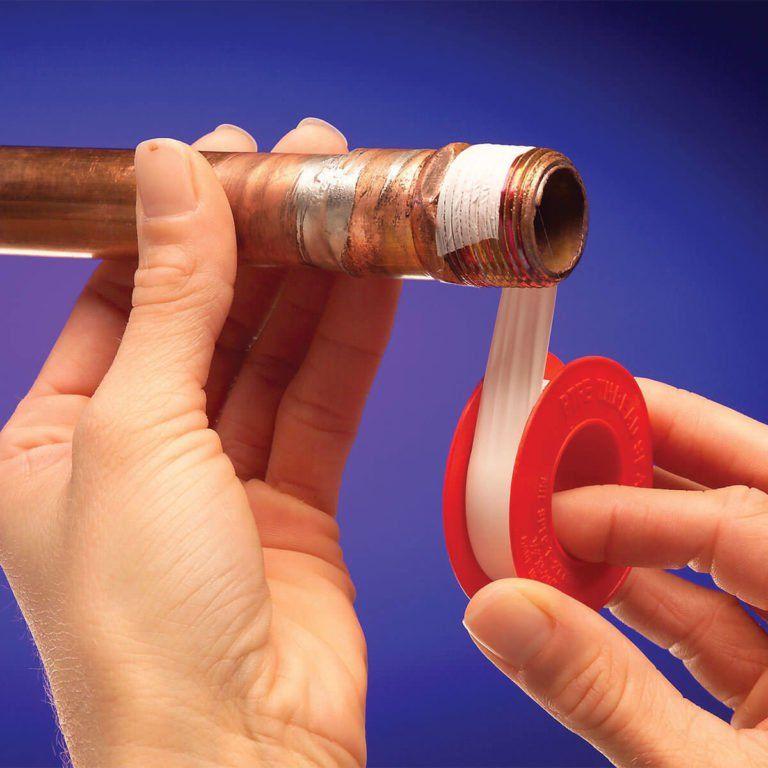
Teflon was never meant for buildings. Discovered by accident while searching for a safer refrigerant, its refusal to react with almost anything turned it into one of construction’s quiet super-materials—protecting structures from corrosion, friction, heat, and time itself.

Dec 16,2025

2 min

Elements of Construction: Aluminium

Elements of Construction: Aluminium

Once rarer than gold, aluminum was hidden in plain sight—locked inside ordinary earth. What began as a scientific curiosity soon became the metal that reshaped skylines, lightened structures, and defined modern construction. This is the quiet journey of a material that moved from the ground beneath our feet to the face of the modern city.

Dec 16,2025

3 min

Elements of Construction: Paints

Elements of Construction: Paints

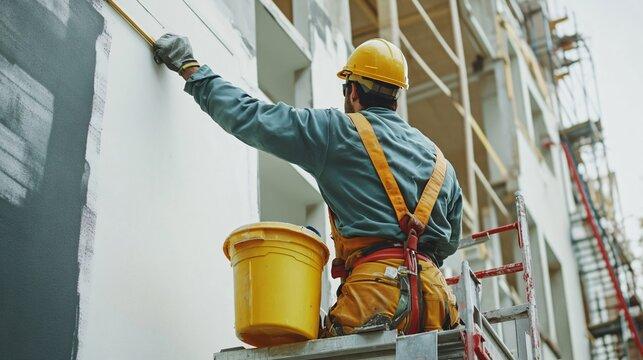
Historically, wall colors from natural pigments like ultramarine (from lapis lazuli), lead white, mercury vermilion, and arsenic green were luxurious but highly toxic, involving dangerous mining, trade, and application that poisoned artisans. Paint was a labor-intensive process driven by experience, not safety. The Industrial Revolution brought synthetic pigments, making paint safe, scalable, and functional—protecting buildings from corrosion, fire, and weathering. Modern architecture benefits from engineered coatings, but today's safe colors echo a violent past of risk and human sacrifice.

Jan 06,2026

2 min

Elements of Construction: Plywood

Elements of Construction: Plywood

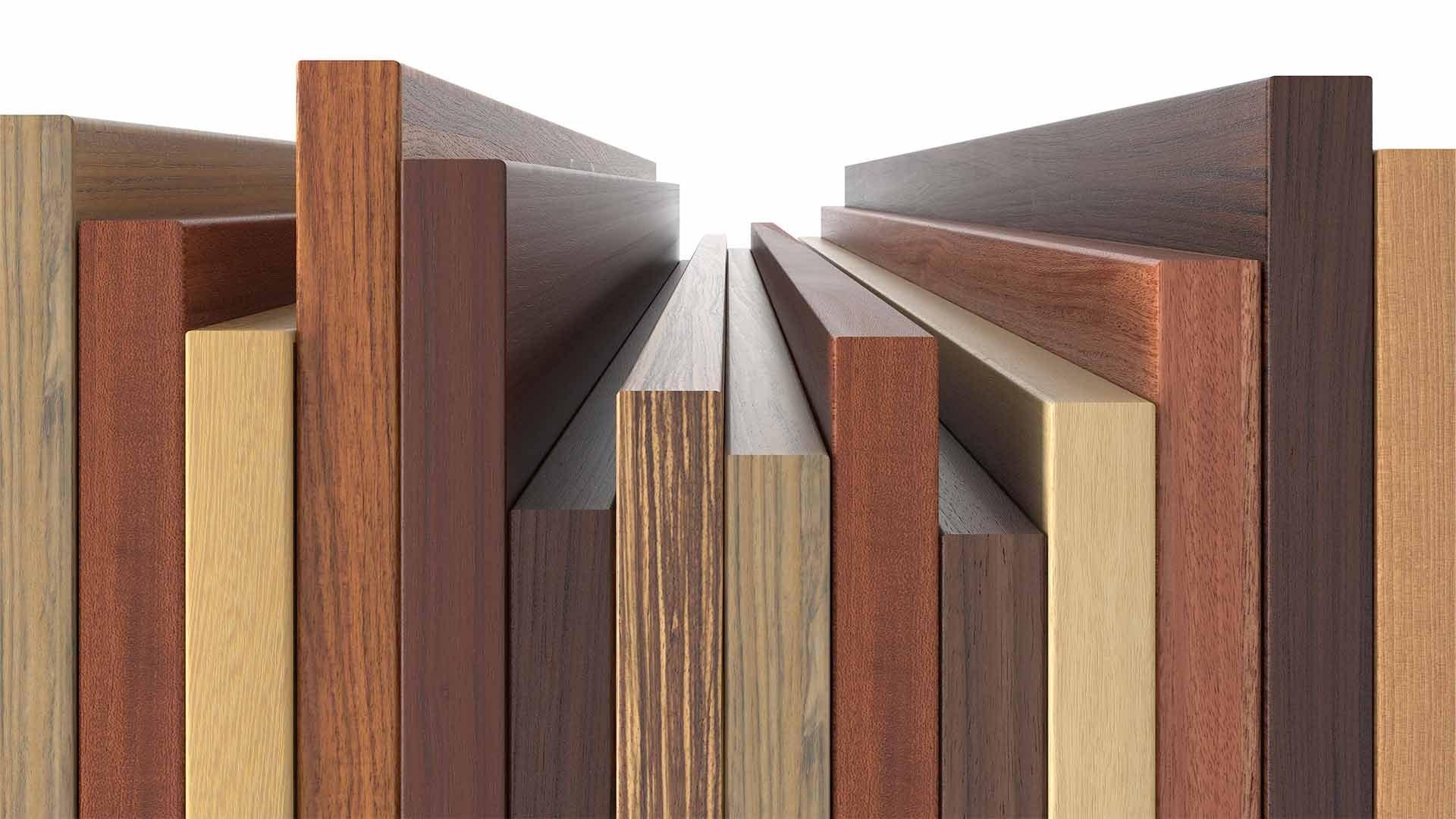
Plywood may seem like a modern construction staple, but its origins stretch back thousands of years. What began as an ancient technique of layering veneers for stability evolved through industrial innovation into a lightweight, high-strength material. Its true breakthrough came during World War I, where its speed, durability, and strength-to-weight ratio made it indispensable for aircraft and rapid construction—cementing plywood’s place as a foundational material of modern building.

Dec 16,2025

2 min

Elements of Construction: Terrazzo

Elements of Construction: Terrazzo

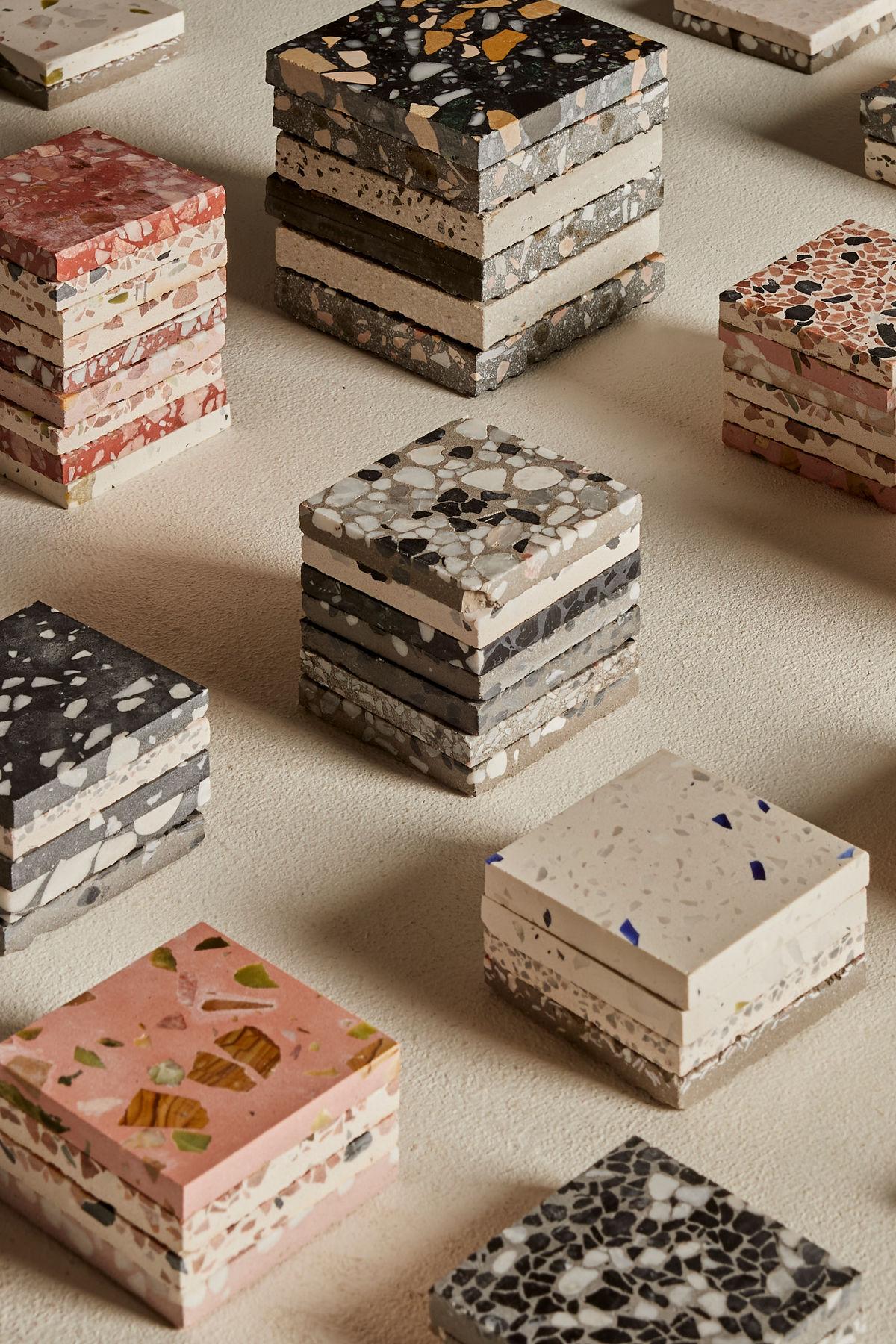
Terrazzo began as a practical solution—an inventive way to reuse stone fragments—and evolved into one of architecture’s most enduring finishes. From ancient pavements to Venetian craftsmanship and modern public landmarks, terrazzo’s story is one of sustainability, durability, and timeless design.

Dec 16,2025

2 min

Elements of Construction: Duct Tape

Elements of Construction: Duct Tape

Duct tape wasn’t meant to be iconic. It was meant to solve a problem. Born out of necessity during wartime, it quietly went on to become one of the most relied-upon materials on construction sites everywhere, proof that the simplest ideas often leave the biggest impact.

Dec 16,2025

2 min

Elements of Construction: Teflon

Elements of Construction: Teflon

Teflon was never meant for buildings. Discovered by accident while searching for a safer refrigerant, its refusal to react with almost anything turned it into one of construction’s quiet super-materials—protecting structures from corrosion, friction, heat, and time itself.

Dec 16,2025

2 min

Elements of Construction: Aluminium

Elements of Construction: Aluminium

Once rarer than gold, aluminum was hidden in plain sight—locked inside ordinary earth. What began as a scientific curiosity soon became the metal that reshaped skylines, lightened structures, and defined modern construction. This is the quiet journey of a material that moved from the ground beneath our feet to the face of the modern city.

Dec 16,2025

3 min

Elements of Construction: Paints

Elements of Construction: Paints

Historically, wall colors from natural pigments like ultramarine (from lapis lazuli), lead white, mercury vermilion, and arsenic green were luxurious but highly toxic, involving dangerous mining, trade, and application that poisoned artisans. Paint was a labor-intensive process driven by experience, not safety. The Industrial Revolution brought synthetic pigments, making paint safe, scalable, and functional—protecting buildings from corrosion, fire, and weathering. Modern architecture benefits from engineered coatings, but today's safe colors echo a violent past of risk and human sacrifice.

Jan 06,2026

2 min

Elements of Construction: Plywood

Elements of Construction: Plywood

Plywood may seem like a modern construction staple, but its origins stretch back thousands of years. What began as an ancient technique of layering veneers for stability evolved through industrial innovation into a lightweight, high-strength material. Its true breakthrough came during World War I, where its speed, durability, and strength-to-weight ratio made it indispensable for aircraft and rapid construction—cementing plywood’s place as a foundational material of modern building.

Dec 16,2025

2 min

Elements of Construction: Terrazzo

Elements of Construction: Terrazzo

Terrazzo began as a practical solution—an inventive way to reuse stone fragments—and evolved into one of architecture’s most enduring finishes. From ancient pavements to Venetian craftsmanship and modern public landmarks, terrazzo’s story is one of sustainability, durability, and timeless design.

Dec 16,2025

2 min

Elements of Construction: Duct Tape

Elements of Construction: Duct Tape

Duct tape wasn’t meant to be iconic. It was meant to solve a problem. Born out of necessity during wartime, it quietly went on to become one of the most relied-upon materials on construction sites everywhere, proof that the simplest ideas often leave the biggest impact.

Dec 16,2025

2 min

Elements of Construction: Teflon

Elements of Construction: Teflon

Teflon was never meant for buildings. Discovered by accident while searching for a safer refrigerant, its refusal to react with almost anything turned it into one of construction’s quiet super-materials—protecting structures from corrosion, friction, heat, and time itself.

Dec 16,2025

2 min

Elements of Construction: Aluminium

Elements of Construction: Aluminium

Once rarer than gold, aluminum was hidden in plain sight—locked inside ordinary earth. What began as a scientific curiosity soon became the metal that reshaped skylines, lightened structures, and defined modern construction. This is the quiet journey of a material that moved from the ground beneath our feet to the face of the modern city.

Dec 16,2025

3 min