Client Logo

Our Solutions

Concrete Polishing

Concrete Floor Repair

Odus Flooring

Epoxy Flooring

Epoxy Repair

Terrazo Flooring

Mosaic Flooring

Use Cases

Concrete Floor Repairing

Warehouse Flooring

Plant Flooring

Hyperstore Flooring

Case Studies

Procter & Gamble

Reliance Industries

Hershey’s India

LG

L&T Constructions

Careers

Internships

Jobs

Resources

Blogs

Team Diaries

Purpose and Passion

Our Story

The Drafting Table

Products

Alkali Resistant Flooring

Odus Dust Block

Terrazzo Flooring

Concrete Polishing Chemicals

Colored Concrete

Fast Curing Additives

Our Solutions
Concrete Polishing

Concrete Floor Repair

Odus Flooring

Epoxy Flooring

Epoxy Repair

Terrazo Flooring

Mosaic Flooring

Use Cases
Concrete Floor Repairing

Warehouse Flooring

Plant Flooring

Hyperstore Flooring

Case Studies
Procter & Gamble

Reliance Industries

Hershey’s India

LG

L&T Constructions

Careers
Internships

Jobs

Resources
Blogs

Team Diaries

Purpose and Passion

Our Story

The Drafting Table

Products
Alkali Resistant Flooring

Odus Dust Block

Terrazzo Flooring

Concrete Polishing Chemicals

Colored Concrete

Fast Curing Additives

How to Speed Up Concrete Curing?

Dec 25 • 2 min read

blog_cover

Concrete curing is an essential process that ensures the material achieves its intended strength and durability. However, long curing times can delay projects. If you’re wondering how to speed up concrete curing without compromising quality, this blog provides insights and a solution. Let’s dive in!

What Is the Best Way to Cure Concrete?

Curing is the process of maintaining adequate moisture, temperature, and time for concrete to achieve its desired properties. When water mixes with cement, a chemical reaction called hydration occurs, binding the materials into a hardened structure. Curing ensures this reaction continues efficiently, preventing cracks, shrinkage, and strength loss.

Traditional curing methods include:

  • Water curing: Continuous wetting of the surface.

  • Membrane curing: Applying curing compounds to seal moisture.

  • Covering with wet burlap or plastic sheets to retain water.

How Long Does It Take for Concrete to Cure Fully?

Under normal circumstances, concrete takes 28 days to achieve its full strength. While the initial setting happens within 24-48 hours, complete hydration requires sustained curing:

  • 3-7 days: Gains 50-60% of its strength.

  • 28 days: Reaches approximately 100% strength.

This timeline can vary based on factors like mix design, weather, and project requirements.

Tips to Make Concrete Cure Faster

Faster curing can save time without compromising concrete quality. Here are some methods to expedite curing:

  1. Use Accelerators: Chemical additives like calcium chloride speed up the hydration process.

  2. Optimize Mix Design: Using high-early-strength cement or supplementary materials like fly ash can reduce curing time.

  3. Control Temperature: Warm curing environments or heated water increase reaction rates.

  4. Advanced Curing Compounds: Specialized products ensure faster strength gain while maintaining moisture levels.

Odus Fast Cure: Solution to Speed Up Curing of Concrete

One solution to reduce curing time is Odus Fast Cure. This advanced product shortens the standard 28-day curing period to just 7 days, making it a game-changer for the construction industry.

How to Use Odus Fast Cure

The Odus Fast Cure Kit comes in 3 parts:

  • Part 1 and Part 2: These need to be mixed directly into the concrete mix itself.

  • Part 3: This part must be sprayed on the wet concrete surface between 24-48 hours after concrete laying.

Key Benefits of Odus Fast Cure:

  • Time Efficiency: Saves three weeks of curing time without sacrificing strength.

  • Consistent Quality: Ensures durability and strength comparable to traditional curing methods.

  • Easy Application: Applied directly to the concrete surface or integrated into the mix.

  • Cost-Effective: It only adds about Rs 2-5 per Sft to the material cost of concrete. Also lowers the labor cost by making the project turn around faster.

With Odus Fast Cure, you no longer need to compromise between speed and quality. It’s the perfect solution for projects with tight deadlines or in regions with challenging environmental conditions.

More Details about Odus Fast Cure can be found here:
https://www.rezovate.com/products/odus-fast-cure

Conclusion

Accelerating concrete curing is crucial for modern construction, where speed and efficiency are paramount. By understanding curing techniques and leveraging solutions like Odus Fast Cure, you can ensure faster, reliable results. Embrace this innovation and keep your projects on track without compromising on quality.

Our Clients

Hershey's
L&T Construction
LG
P&G
Yanjan
Eicher
Reliance
Icon

India's Best Industrial and Commercial Flooring Solution Provider

Trusted by 200+ clients. We provide flooring services and supply products for all sorts of Industrial flooring. Call us at +917869964996 or share contact details by filling the form below:

Related Blogs

Elements of Construction: Terrazzo

Elements of Construction: Terrazzo

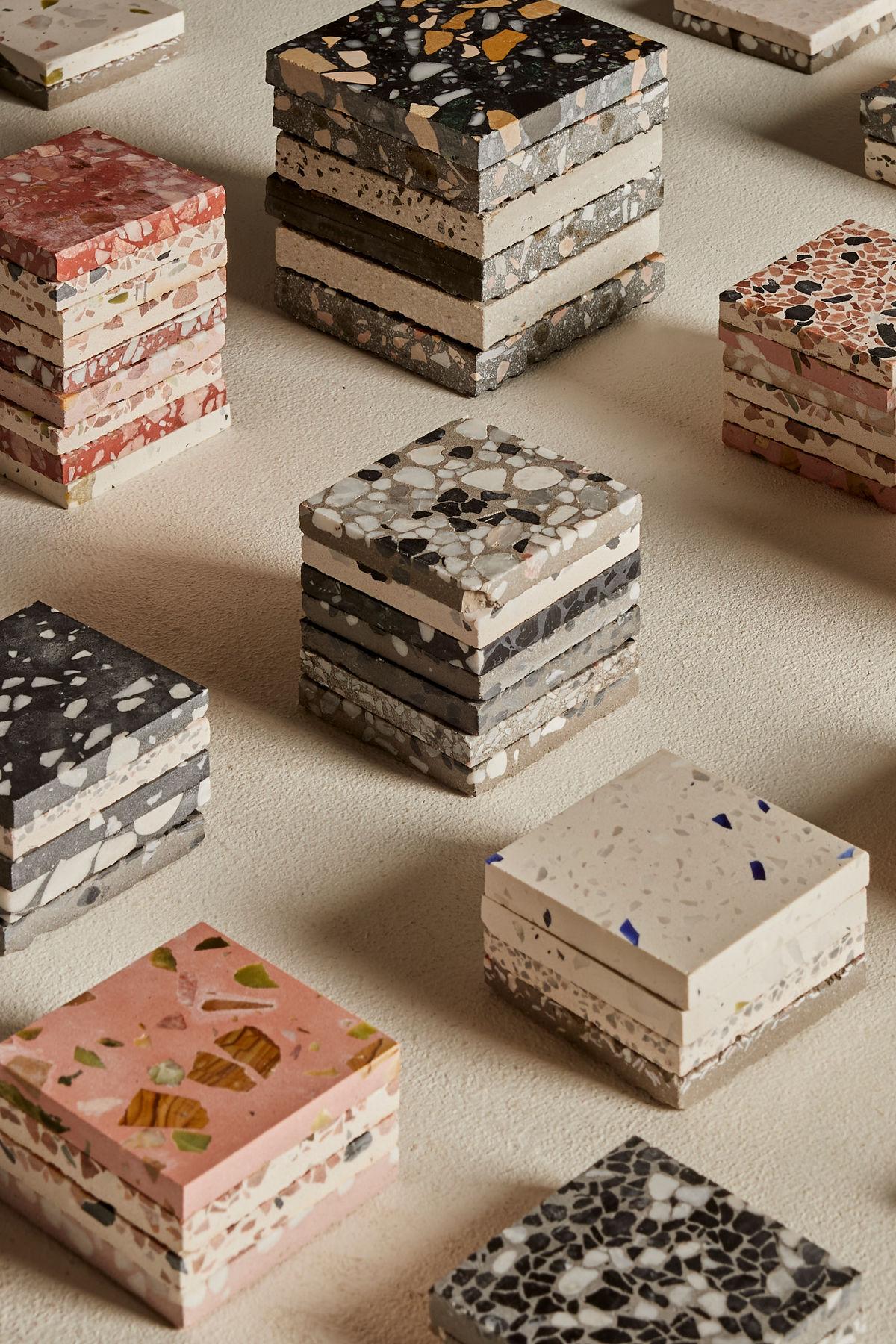
Terrazzo began as a practical solution—an inventive way to reuse stone fragments—and evolved into one of architecture’s most enduring finishes. From ancient pavements to Venetian craftsmanship and modern public landmarks, terrazzo’s story is one of sustainability, durability, and timeless design.

Dec 16,2025

2 min

Elements of Construction: Duct Tape

Elements of Construction: Duct Tape

Duct tape wasn’t meant to be iconic. It was meant to solve a problem. Born out of necessity during wartime, it quietly went on to become one of the most relied-upon materials on construction sites everywhere, proof that the simplest ideas often leave the biggest impact.

Dec 16,2025

2 min

Elements of Construction: Teflon

Elements of Construction: Teflon

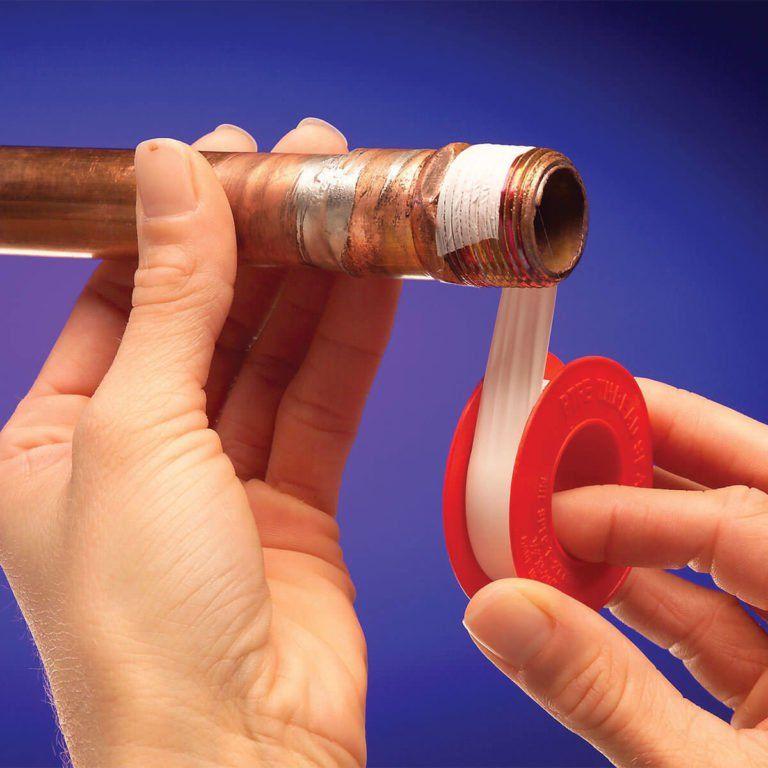
Teflon was never meant for buildings. Discovered by accident while searching for a safer refrigerant gas, its refusal to react with almost anything turned it into one of construction’s underrated materials—protecting structures from corrosion, heat and damage.

Jan 21,2026

2 min

Why is India a Hotspot for Global Investors?

Why is India a Hotspot for Global Investors?

India ranks 5th globally, with 6.8% GDP growth, vast market, young population, UPI leadership, reforms, and 100% FDI in most sectors—making it a prime investment hotspot.

Feb 25,2026

8 min

Elements of Construction: Paints

Elements of Construction: Paints

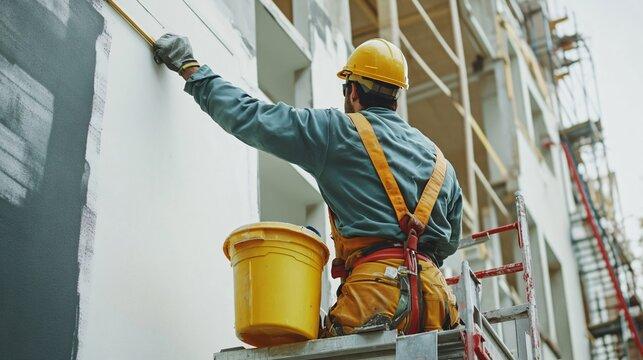
Historically, wall colors from natural pigments like ultramarine (from lapis lazuli), lead white, mercury vermilion, and arsenic green were luxurious but highly toxic, involving dangerous mining, trade, and application that poisoned artisans. Paint was a labor-intensive process driven by experience, not safety. The Industrial Revolution brought synthetic pigments, making paint safe, scalable, and functional—protecting buildings from corrosion, fire, and weathering. Modern architecture benefits from engineered coatings, but today's safe colors echo a violent past of risk and human sacrifice.

Jan 06,2026

2 min

Elements of Construction: Plywood

Elements of Construction: Plywood

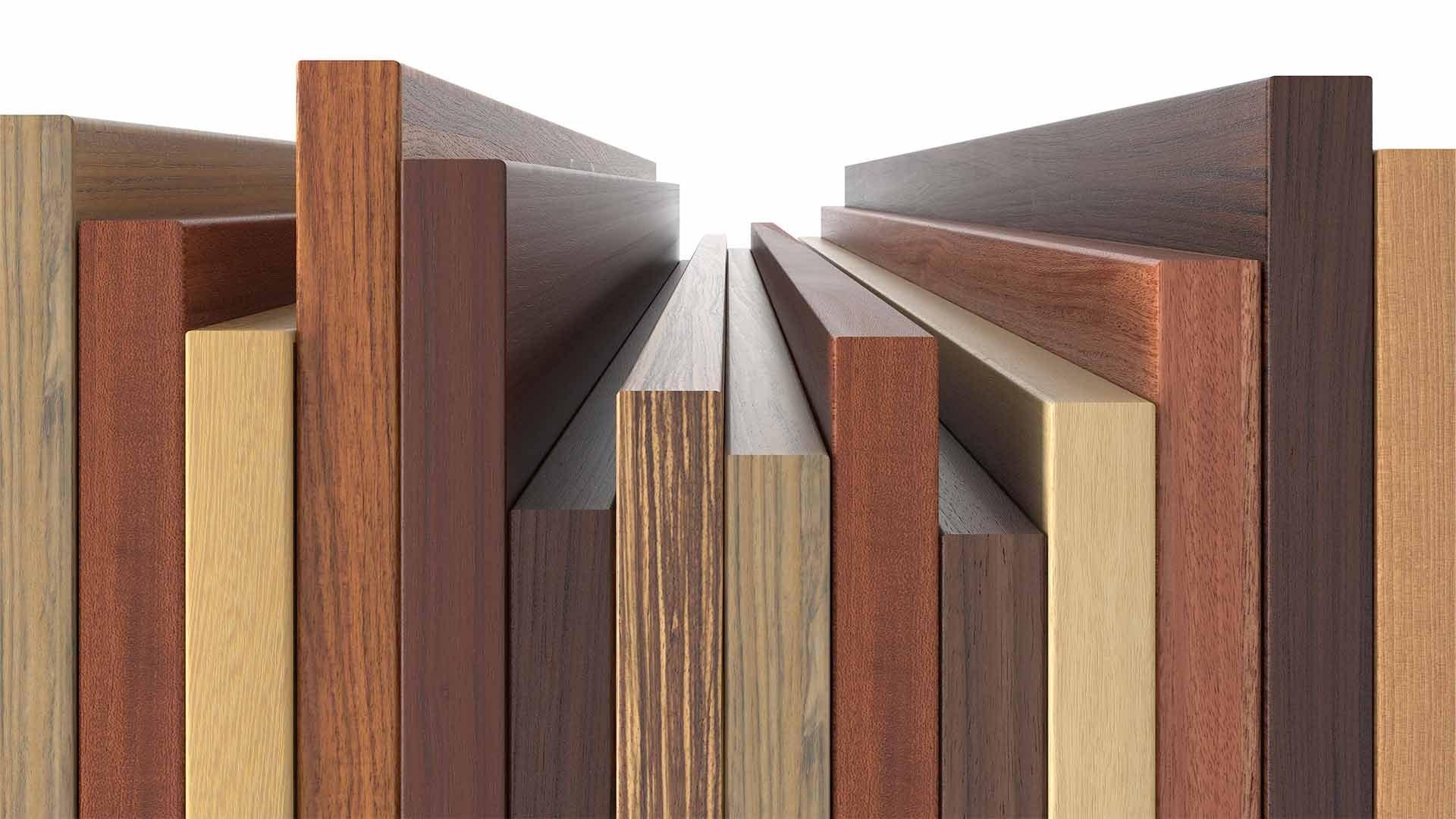
Plywood may seem like a modern construction staple, but its origins stretch back thousands of years. What began as an ancient technique of layering veneers for stability evolved through industrial innovation into a lightweight, high-strength material. Its true breakthrough came during World War I, where its speed, durability, and strength-to-weight ratio made it indispensable for aircraft and rapid construction—cementing plywood’s place as a foundational material of modern building.

Dec 16,2025

2 min

Elements of Construction: Terrazzo

Elements of Construction: Terrazzo

Terrazzo began as a practical solution—an inventive way to reuse stone fragments—and evolved into one of architecture’s most enduring finishes. From ancient pavements to Venetian craftsmanship and modern public landmarks, terrazzo’s story is one of sustainability, durability, and timeless design.

Dec 16,2025

2 min

Elements of Construction: Duct Tape

Elements of Construction: Duct Tape

Duct tape wasn’t meant to be iconic. It was meant to solve a problem. Born out of necessity during wartime, it quietly went on to become one of the most relied-upon materials on construction sites everywhere, proof that the simplest ideas often leave the biggest impact.

Dec 16,2025

2 min

Elements of Construction: Teflon

Elements of Construction: Teflon

Teflon was never meant for buildings. Discovered by accident while searching for a safer refrigerant gas, its refusal to react with almost anything turned it into one of construction’s underrated materials—protecting structures from corrosion, heat and damage.

Jan 21,2026

2 min

Why is India a Hotspot for Global Investors?

Why is India a Hotspot for Global Investors?

India ranks 5th globally, with 6.8% GDP growth, vast market, young population, UPI leadership, reforms, and 100% FDI in most sectors—making it a prime investment hotspot.

Feb 25,2026

8 min

Elements of Construction: Paints

Elements of Construction: Paints

Historically, wall colors from natural pigments like ultramarine (from lapis lazuli), lead white, mercury vermilion, and arsenic green were luxurious but highly toxic, involving dangerous mining, trade, and application that poisoned artisans. Paint was a labor-intensive process driven by experience, not safety. The Industrial Revolution brought synthetic pigments, making paint safe, scalable, and functional—protecting buildings from corrosion, fire, and weathering. Modern architecture benefits from engineered coatings, but today's safe colors echo a violent past of risk and human sacrifice.

Jan 06,2026

2 min

Elements of Construction: Plywood

Elements of Construction: Plywood

Plywood may seem like a modern construction staple, but its origins stretch back thousands of years. What began as an ancient technique of layering veneers for stability evolved through industrial innovation into a lightweight, high-strength material. Its true breakthrough came during World War I, where its speed, durability, and strength-to-weight ratio made it indispensable for aircraft and rapid construction—cementing plywood’s place as a foundational material of modern building.

Dec 16,2025

2 min

Elements of Construction: Terrazzo

Elements of Construction: Terrazzo

Terrazzo began as a practical solution—an inventive way to reuse stone fragments—and evolved into one of architecture’s most enduring finishes. From ancient pavements to Venetian craftsmanship and modern public landmarks, terrazzo’s story is one of sustainability, durability, and timeless design.

Dec 16,2025

2 min

Elements of Construction: Duct Tape

Elements of Construction: Duct Tape

Duct tape wasn’t meant to be iconic. It was meant to solve a problem. Born out of necessity during wartime, it quietly went on to become one of the most relied-upon materials on construction sites everywhere, proof that the simplest ideas often leave the biggest impact.

Dec 16,2025

2 min

Elements of Construction: Teflon

Elements of Construction: Teflon

Teflon was never meant for buildings. Discovered by accident while searching for a safer refrigerant gas, its refusal to react with almost anything turned it into one of construction’s underrated materials—protecting structures from corrosion, heat and damage.

Jan 21,2026

2 min