Dec 16 • 3 min read
When you glide over a smooth road or stand under a roof that shrugs off heavy rain, you are relying on a material far older than modern engineering. Asphalt, also known as bitumen, was not invented in a factory or dreamed up by scientists in white coats. It was discovered the way early humans discovered fire or clay, by noticing something strange seeping out of the earth and figuring out how to use it.
That sticky black substance has been quietly shaping human civilization for thousands of years.
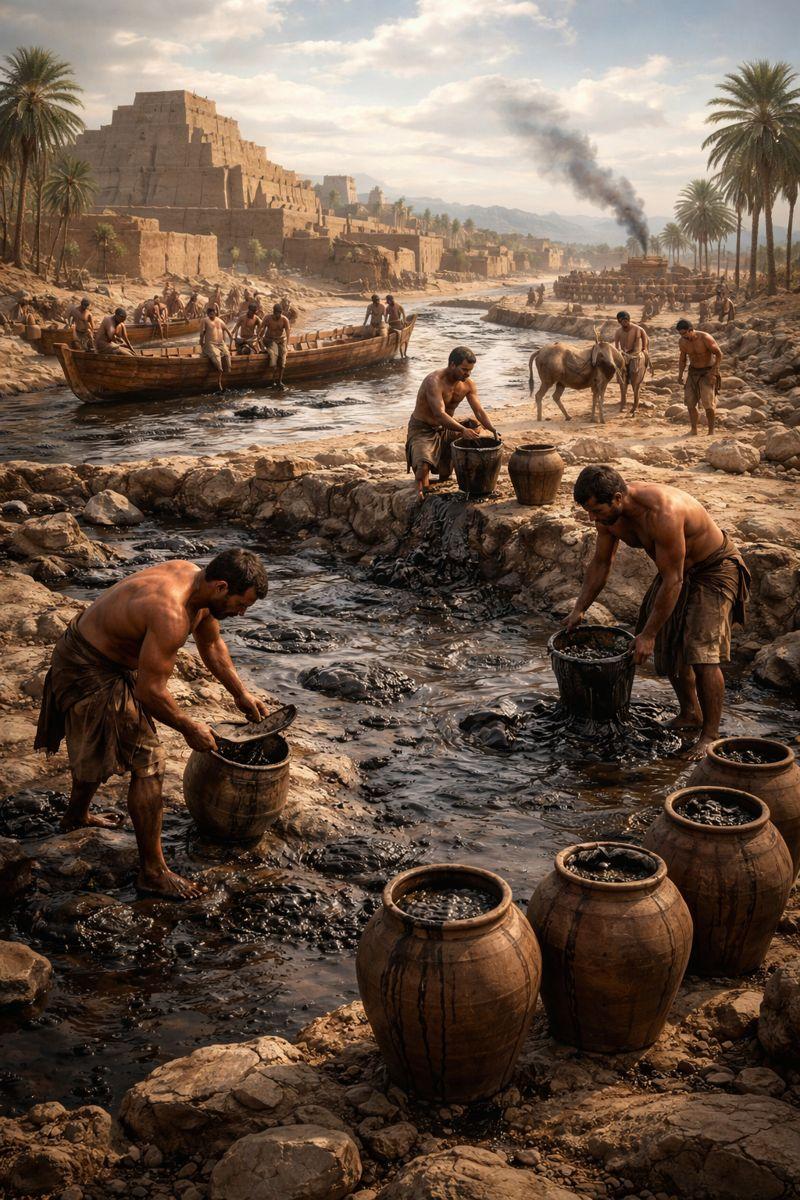
Long before machines or refineries existed, asphalt appeared naturally in certain parts of the world. It is a thick, semi solid form of petroleum that slowly oozes to the surface through cracks in the earth, leaving behind dense black pools. The Pitch Lake in Trinidad and the La Brea Tar Pits in California are still visible reminders of this geological phenomenon. To ancient people, this black earth must have seemed almost magical, waterproof, adhesive, and incredibly durable.
Recognizing its value was a turning point in early construction. As early as 4000 BCE, the Sumerians in Mesopotamia were using natural bitumen as a building material. They mixed it with mud and stone to create stronger walls and used it as mortar to hold bricks together. More importantly, they discovered its ability to repel water. Asphalt was used to seal baths, reservoirs, canals, and boats, making long distance trade and water management possible. Even the biblical account of baby Moses being placed in a basket sealed with pitch and tar points directly to this ancient use of bitumen as a waterproofing agent.
As civilizations grew, asphalt began to shape cities themselves. In Babylon, around 625 BCE, one of the world’s earliest engineered roads, the Processional Street, was paved using a mixture of natural asphalt and aggregates. This was not just decoration. It created a durable, weather resistant surface that could handle heavy foot traffic and ceremonial processions. The iconic glazed bricks of the Ishtar Gate were also set in place using bitumen mortar, proving that beauty and engineering were already working together.
The Romans, known for their concrete and aqueducts, also valued asphalt, though mostly for its sealing properties. They used it to line baths, protect foundations from moisture, and reinforce water systems. For centuries, asphalt remained a specialist material, essential but limited by how much could be gathered from natural deposits.
Everything changed with the modern age.
The rise of the petroleum industry in the late nineteenth and early twentieth centuries unlocked asphalt’s full potential. Instead of relying on natural seepage, engineers learned how to extract bitumen from crude oil during the refining process. When oil is refined, lighter fuels like petrol and diesel are separated first. What remains at the bottom is asphalt, thick, black, and rich in complex hydrocarbons.
Modern asphalt is not just sticky black liquid. It is carefully engineered. At its core, asphalt consists of two main parts, the binder and the aggregates. The binder is the bitumen itself, which acts like glue. It is flexible, waterproof, and able to absorb stress without cracking. The aggregates, crushed stone, sand, and gravel, provide strength and structure. When combined in the right proportions, they form a surface that is tough yet slightly elastic.
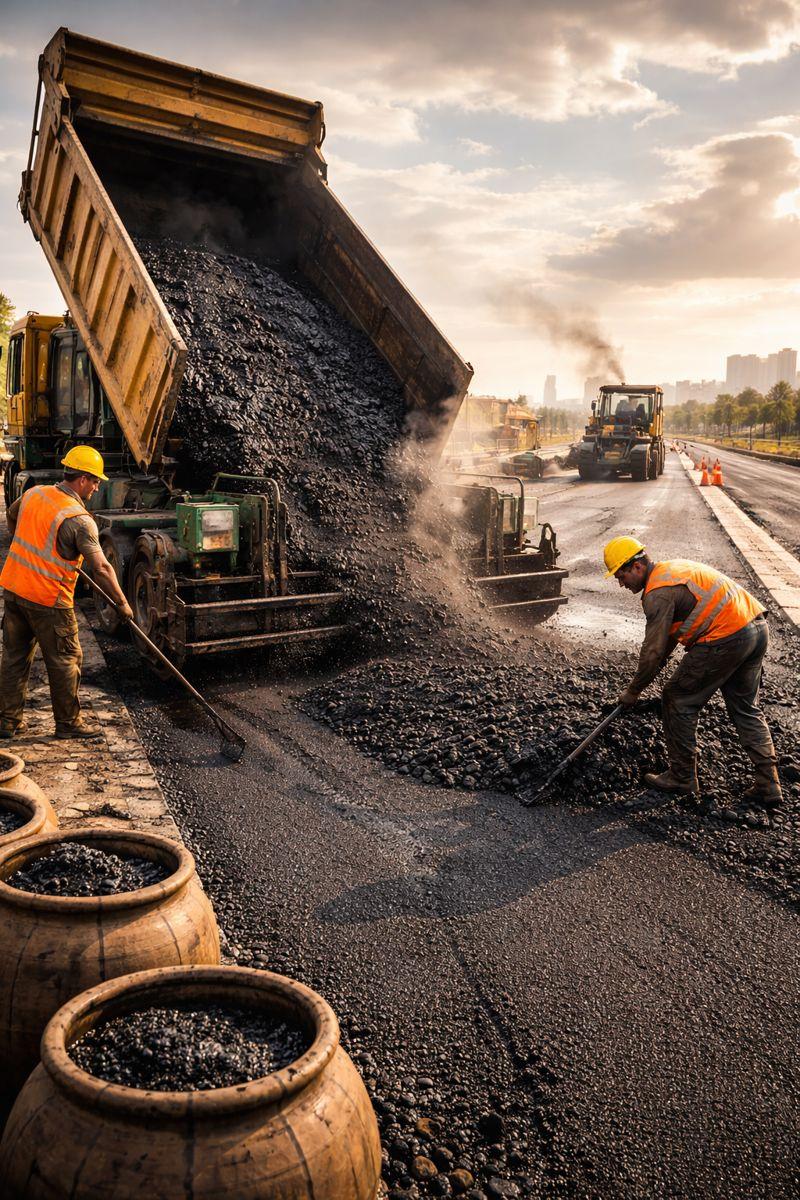
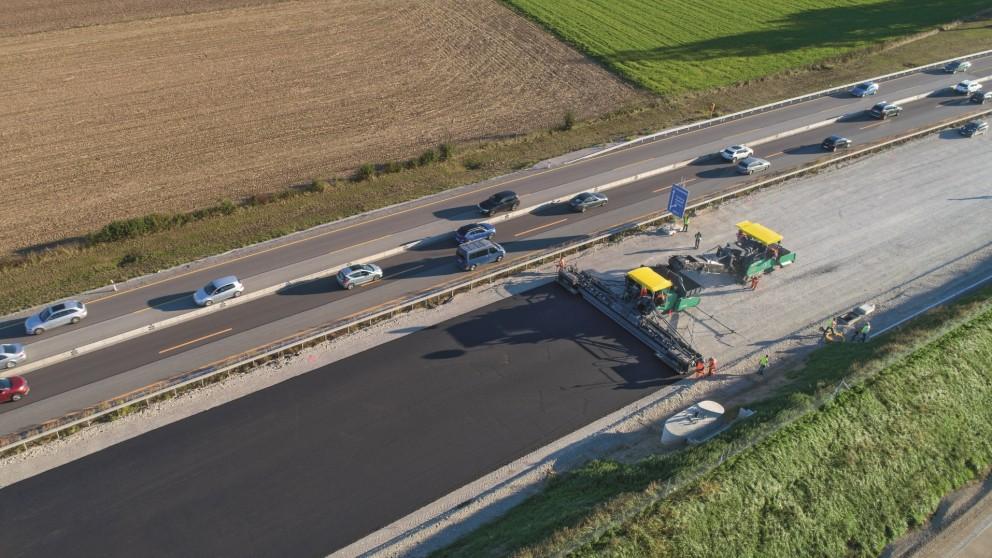
To make asphalt for roads, the bitumen is heated until it becomes fluid. It is then mixed with hot aggregates in controlled conditions to create what is known as Hot Mix Asphalt. This mixture is transported while still hot, spread onto roads, and compacted using heavy rollers. As it cools, it hardens into a smooth, resilient surface capable of handling millions of vehicles and extreme weather conditions.
This innovation transformed asphalt from an ancient waterproofing material into the backbone of modern infrastructure. Highways, airport runways, parking lots, and even sports courts now rely on the same substance that once sealed Sumerian boats and Babylonian streets.
What makes asphalt remarkable is not just its performance, but its continuity. Few materials have followed humanity so closely, from natural seepages in ancient lands to precision engineered surfaces spanning entire continents. Every time you drive down a road, you are quite literally moving across a material shaped by geology, history, and human ingenuity working together over thousands of years.
And that makes asphalt far more than just blacktop beneath your wheels.


Related Blogs