 Made with Levo
Elements of Construction: Kevlar
Dec 6 • 2 min read
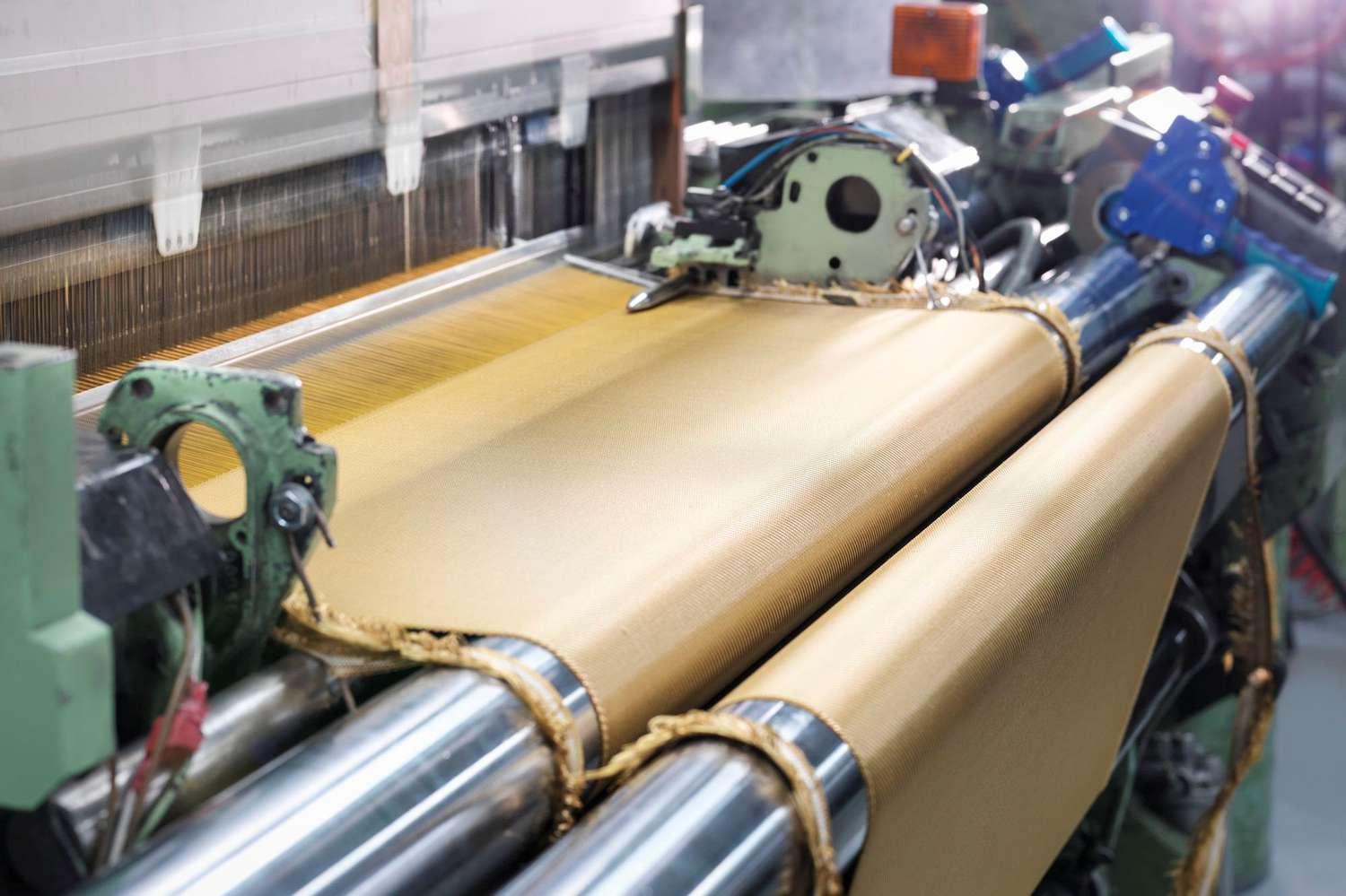
You might know Kevlar from the iconic image of a bulletproof vest stopping a projectile, but the history of this super fiber is far stranger than fiction. Born from a search for lighter car tires during a time of looming oil shortages, this accidental discovery revolutionized not just safety, but the world of construction and engineering.
The Brilliant Mind Behind the Breakthrough
The story of Kevlar begins not on a battlefield, but in the labs of the American chemical company DuPont in the mid 1960s. The central figure is Stephanie Kwolek (1923–2014), a pioneering chemist. Kwolek and her team were tasked with finding a lightweight, stiff, and strong fiber to replace the heavy steel used in radial tires. Their aim was to help build lighter, more fuel-efficient cars, anticipating a future gasoline shortage.
While preparing polymers for spinning into fibers, Kwolek produced a highly fluid, cloudy solution that looked thin and runny like diluted buttermilk instead of the expected thick, clear syrup. Most lab technicians would have immediately thrown it out, assuming the batch was spoiled or contaminated. However, Kwolek insisted on putting the strange solution through the spinneret machine. To everyone's astonishment, the resulting fibers didn't break; they were incredibly stiff and, pound for pound, five times stronger than steel. This was the moment in 1965 that the aramid fiber, which would become known as Kevlar, was born. The discovery was a perfect example of a material’s potential far exceeding its original intended use.
From Tires to Toughness: Introduction to the Market
After years of development and refinement, Kevlar was commercially introduced by DuPont in the early 1970s. Its unique properties, high tensile strength, lightweight nature, and thermal stability, quickly made it indispensable. While its most famous early application was in ballistic protection (bulletproof vests and helmets) and the replacement of asbestos in brake pads, its potential for structural reinforcement soon caught the eye of engineers, particularly in the construction sector.
Kevlar in Construction: Where Strength Meets Lightness
Though sometimes overshadowed by carbon fiber, Kevlar is highly valued in construction for its durability, impact resistance, and unique ability to resist tensile stress.
In major building and civil engineering projects, Kevlar is extensively used for structural retrofitting and strengthening. Engineers employ Aramid Fiber Reinforced Polymer (AFRP) sheets, often set in an epoxy resin matrix, and wrap them around columns, beams, or walls. This technique significantly enhances the shear strength and ductility of existing concrete structures, making them far more resistant to collapse during seismic events or explosions without adding significant weight.
Furthermore, Kevlar's superior strength to weight ratio makes it an ideal choice for advanced cable and suspension systems. It is used in lightweight, high performance suspension cables and guy wires for bridges, specialized tents, and roof structures where minimizing dead weight is crucial. Due to its ballistic properties, Kevlar also reinforces blast resistant panels and specialized protective walls in critical infrastructure, offering a high degree of protection against fragmentation. Finally, short aramid fibers are mixed directly into concrete to enhance its properties; these fibers help control shrinkage cracking and significantly increase the concrete's resistance to fatigue and abrasion, particularly in demanding flooring and road surfaces.
The next time you see a modern bridge or read about a seismic retrofit project, remember that it might be the milky, "spoiled" solution that Stephanie Kwolek refused to throw away that is now working silently to hold the world together.
Our Clients